Utah approves Stratos mega data center despite environmental risks
Utah has approved the Stratos megaproject — a giant data center covering 40,000 acres, twice the size of Manhattan. The project, backed by Shark Tank investor K
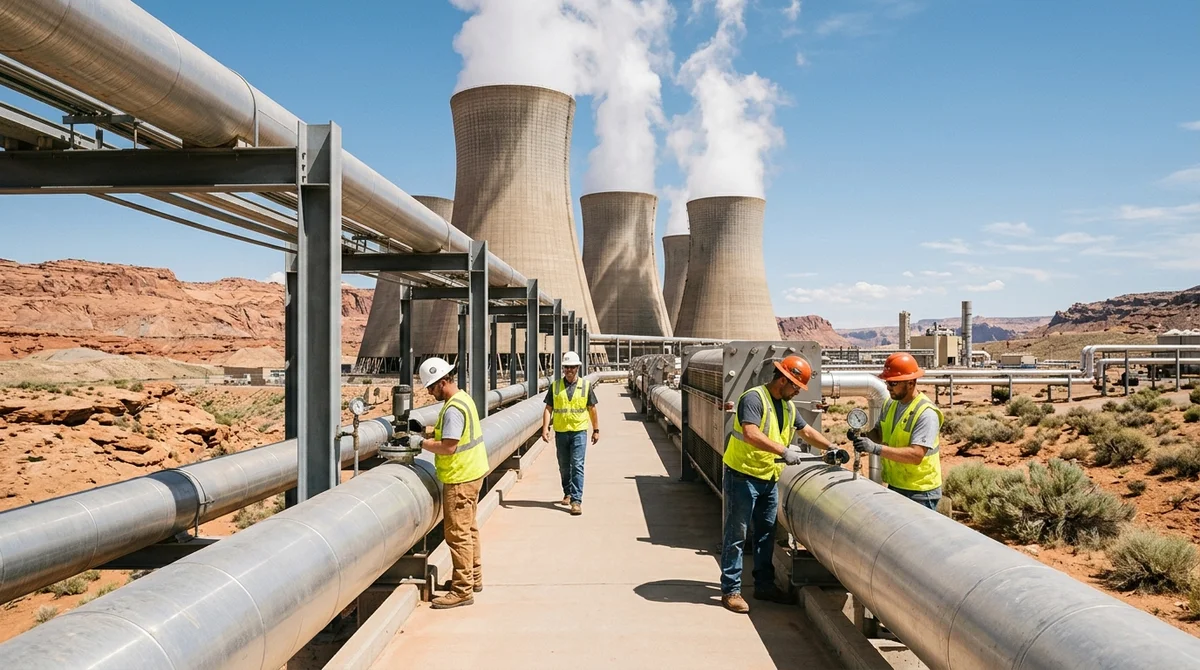
Utah approved the Stratos megadata center — a data center that will become one of the largest in the world. The decision by the Box Elder County Commission in early May sparked heated debate about the future of energy, ecology, and water supply in the state.
The Megaproject in the Desert
The Stratos Project received approval from the Box Elder County Commission in early May. The data center will occupy 40,000 acres of land in Hansel Valley — a territory twice the size of Manhattan. The project is financed by investor Kevin O'Leary, known for his participation in the Shark Tank television show and an influential venture capitalist.
The project is positioned as a strategic initiative to strengthen American leadership in AI and cloud technologies. The idea is that the giant data center should provide a competitive advantage to the US against the backdrop of growing global competition in artificial intelligence. However, the plan has faced strong criticism from environmentalists and energy experts, who point to the incompatibility of such a project with the reality of an arid region.
Astronomical Energy Consumption
Stratos will consume 9 gigawatts of electricity — nearly twice the peak electricity consumption of the entire state of Utah, where over 3 million people live. For context: this volume is equivalent to the output of several large nuclear power plants operating simultaneously. Such consumption levels raise questions about the state's ability to provide the facility with reliable and sustainable power supply given the current infrastructure.
Regional power grids are already experiencing critical strain during periods of peak demand, especially during summer heat waves. Expanding the networks will require investments of tens of billions of dollars and years of preparation. Furthermore, the source of additional electricity remains undetermined — the region does not yet have a plan to provide such volumes from renewable sources.
Environmental and Water Risks
Experts point to several critical issues that cause particular concern in the arid region:
- Depletion of underground aquifers — data centers require enormous volumes of water for cooling; Stratos will consume volumes comparable to the needs of a multi-million city
- Threat to the Great Salt Lake — already stressed by years of drought and climate change; groundwater loss could accelerate its desiccation
- Competition for limited resources — the region is already facing acute water shortage, which is exacerbated by climate change
- Environmental damage to ecosystems — loss of habitat for plants and animals adapted to desert conditions
- Carbon footprint — 9 gigawatts will require significant amounts of coal, gas, or other sources with high CO2 emissions
Utah is located in one of the driest regions of the United States, where water has long been a more valuable resource than oil. Against the backdrop of a megadrought, the project's construction has triggered a wave of public protest: environmentalists, local residents, and independent experts oppose it, warning of an existential threat to the region's future.
What This Means
The approval of Stratos symbolizes the enormous ambitions of the United States to maintain global leadership in AI and cloud technologies. However, it also demonstrates a fundamental vulnerability of the country in choosing between short-term technological progress and long-term environmental sustainability. The history of the project in Utah could become a case study in how mega-investments in new technologies require not just regulatory approval, but a fundamental revision of regional natural resource management policy and climate strategy.