Anthropic exposes G20 banks’ vulnerabilities, Meta invests 130 billion in AI
Anthropic showed G20 banks how systems are hacked: Claude Mythos found thousands of critical vulnerabilities in browsers and operating systems. At the same time
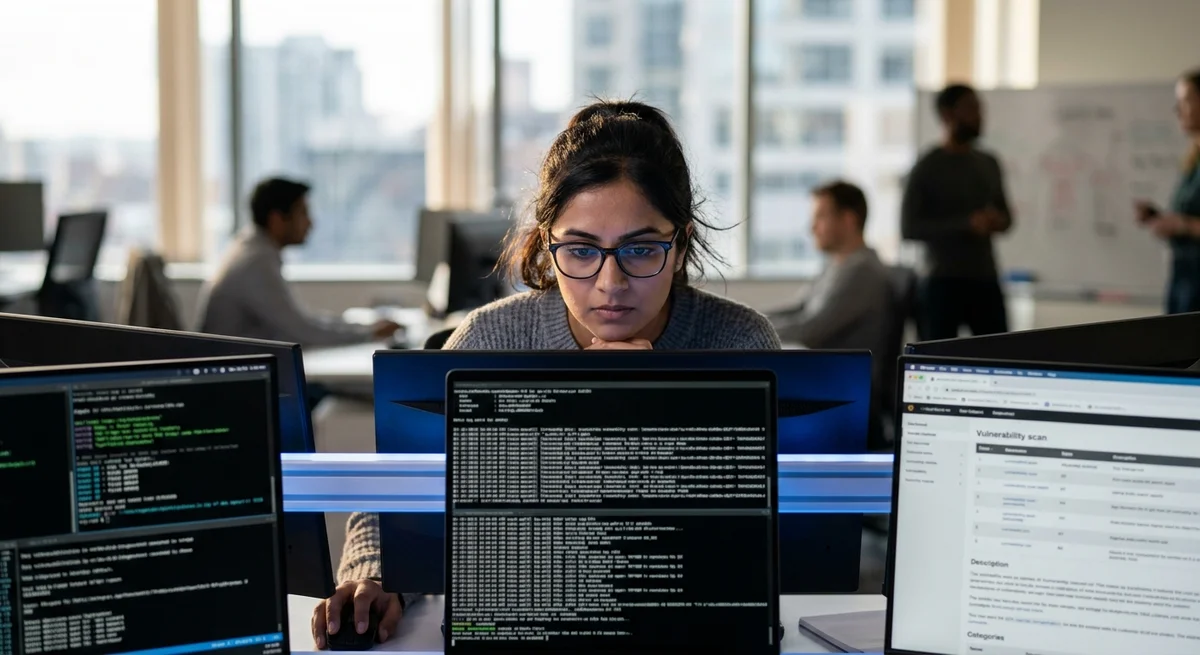
Claude Mythos serves as a tool for identifying vulnerabilities in critical infrastructure. Anthropic introduced this model in April, positioning it as a solution for cybersecurity and risk assessment in financial systems — and the results are so impressive that they have compelled governments to take notice.
What Claude Mythos Found
The model discovered thousands of critical issues in major operating systems, browsers, and web applications. When the company asked the model to write working exploits for these vulnerabilities, Claude succeeded in 83% of cases on the first attempt.
"It appears the company has found a way to compromise the entire world of cyber risk" —
Andrew Bailey, Bank of England
The result was serious enough to catch the attention of Andrew Bailey, Governor of the Bank of England and Chair of the Financial Stability Board. Bailey formally requested that Anthropic conduct a briefing for the FSB — an organization that includes financial authorities from the US, UK, Canada, France, Germany, Japan, Saudi Arabia, Australia, and China.
However, the distribution of Mythos is strictly limited: only 40 organizations have gained access, mostly American ones (Amazon, Microsoft, JPMorgan Chase). The White House requested that the group of participants not be expanded. Russian banks learn about critical vulnerabilities only through news reports.
Meta Goes All-In on AI
On May 20, Mark Zuckerberg announced the layoff of 8,000 employees (10% of Meta's workforce). At the same time, the company reported record quarterly revenue: $56.3 billion in revenue, nearly $27 billion in profit. This is not a crisis-driven layoff — it is a deliberate restructuring around AI.
In a memo, Zuckerberg wrote that AI is "the most important technology of our time" and that companies leading in its development "will define the next generation." The conclusion: focus only on the most capable people and invest massive sums in computational power.
In parallel with the layoffs, 7,000 employees are being transitioned to positions in AI development. Meta's capital expenditures for 2026 will reach $125-145 billion — for comparison, this exceeds Estonia's GDP.
- Power consumption for AI infrastructure
- Retraining of 7,000 employees for AI roles
- Rejection of balanced growth in favor of concentration in a single area
CFO Susan Li acknowledged in an interview that "the company frankly does not know what the optimal size will be in the future."
What This Means
Two stories intertwine into a single paradigm: the concentration of technological power is accelerating faster than regulators and traditional organizations can adapt. One American private company now controls a tool for detecting breaches in banking infrastructure. Most banks run on 30-year-old COBOL systems. Regulators lag by a year and a half. Employees don't have time to retrain.
This is either the most interesting decade in the history of technology, or the most dangerous.
*Meta is recognized as an extremist organization and is banned in Russia.