Суд отклонил иск Маска к Альтману о нарушении миссии OpenAI
Федеральное жюри отклонило иск Маска к Альтману и OpenAI. Маск утверждал, что Альтман нарушил первоначальную миссию организации, превратив её в коммерческую ком
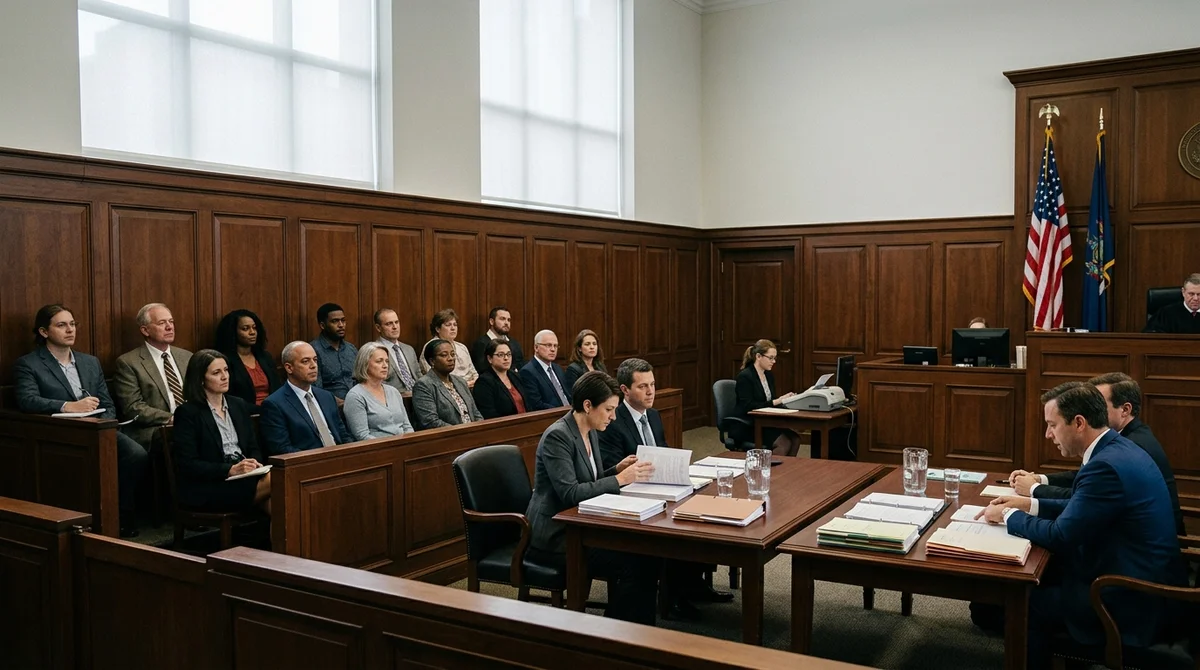
Federal jury rejected Musk's lawsuit against OpenAI and Altman, ruling that Tesla's founder waited too long to pursue legal action. This marks the end to a high-profile dispute over how a once-charitable AI company transformed into a commercial giant.
Musk's Core Claim
Musk filed suit with a radical assertion: Altman violated OpenAI's fundamental mission. When the organization was founded in 2015, it was positioned as an independent, community-benefit-focused research institution — a nonprofit structure. Musk demanded that the court recognize that the transition to a commercial model was unlawful and violated the founding agreement. According to the lawsuit, Altman created a structure that allowed OpenAI to attract massive investments (including enormous sums from Microsoft) and transformed the company into a profit-extraction machine. Musk viewed this as a betrayal of the original ideals.
Why the Jury Rejected the Suit
Interestingly, the court did not delve into the substance of the dispute — it did not examine whether the mission agreement was truly violated. Instead, the jury ruled on formal grounds: the statute of limitations. In simpler terms, Musk filed his lawsuit too late. In American civil law, there are clear deadlines within which a plaintiff can sue after learning of a violation. Musk, however, observed OpenAI's commercialization over several years — and did not file suit immediately. By the time of the trial, these deadlines had already expired.
- Musk knew of OpenAI's commercial model from 2021-2023
- The lawsuit was filed much later than the first signs of changes
- Legal deadlines for such claims span 2-6 years
- Delay means the claim loses legal force regardless of its merit
What This Means for the Industry
The verdict closes the case and allows OpenAI and Altman to continue developing the company without threat of restructuring. For OpenAI itself, this is a positive signal: it can operate peacefully as a commercial company without fear of legal review of its status.
"This is a clear example of how timing is critical in business," any
corporate lawyer might say.
For the AI industry, the verdict sends an important signal: if you want to challenge such critical corporate decisions, act quickly. Delay in pursuing lawsuits can be costly, even if your position is factually sound.