Эмиратская G42 расширяется в США: дата-центр AI в Миннеаполисе
G42, компания из ОАЭ под контролем эмира Абу-Даби, подписала договор на аренду нового дата-центра в центре Миннеаполиса. Это шаг в стратегии конкуренции на амер
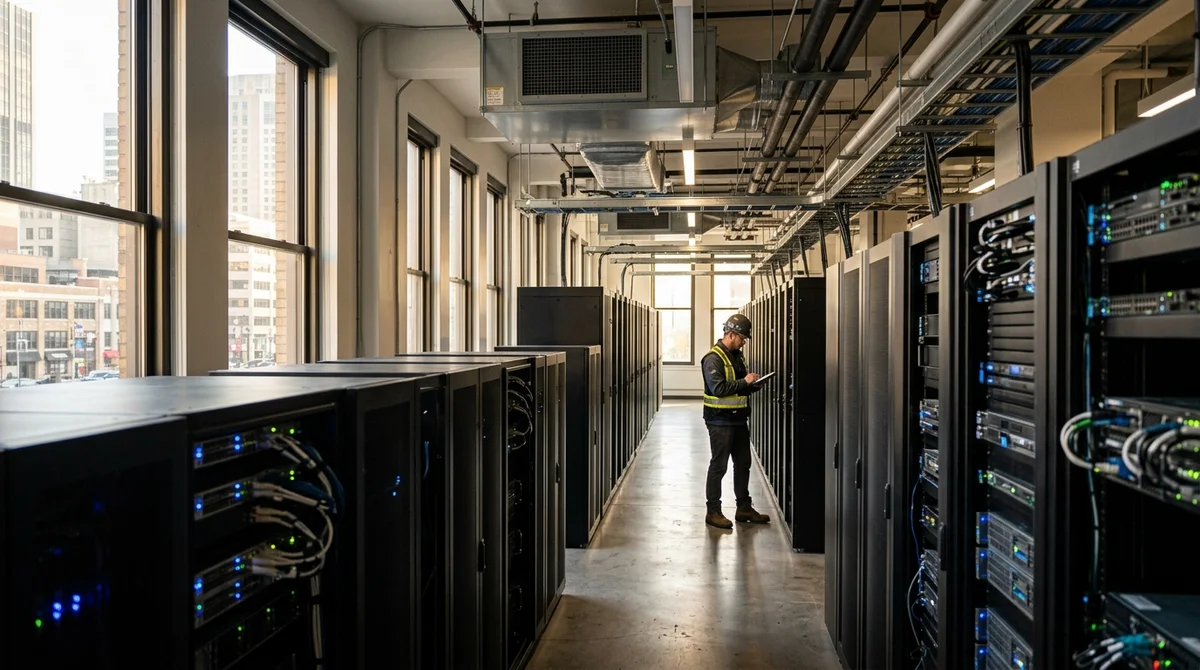
G42, a UAE-based company under the control of Abu Dhabi's Emir Sheikh Tahnun bin Zayed al-Nahyan, has signed a lease agreement for a new data center in downtown Minneapolis. This signals that the Emirates are serious about competing in the American AI services market, expanding their influence in a country crucial to technology.
Who's leading the G42 project — one of the largest digital conglomerates in the Middle East.
It is owned by Sheikh Tahnun bin Zayed al-Nahyan, a member of the UAE's ruling family and a close advisor to the country's president. The company already operates in cloud computing, artificial intelligence, and digital infrastructure worldwide — from Africa to Asia. Its portfolio includes investments in decentralized systems, cryptocurrency projects, and AI startups.
The Minneapolis project involves retrofitting an empty office building downtown into a fully functional data center. Such projects are growing in popularity in the US after the pandemic, when many office buildings in city centers lost tenants and faced an uncertain future. Instead of demolishing or waiting for office workers to return, developers are converting these buildings into server complexes, cooling systems, and modern network infrastructure.
Why
Minneapolis was chosen G42's investments in American infrastructure are part of a broader strategy. Companies and states from the Persian Gulf are actively competing with American and Chinese players for a share of the global AI services market. They have capital (accumulated from oil and gas exports), they are willing to invest in infrastructure for years to come, and they see that the US is the main battleground for leadership in artificial intelligence.
The choice of Minneapolis is not accidental: Cheap and reliable electricity (critical for data centers, where electricity accounts for up to 50% of operating costs) A talented technology scene and several major research universities The presence of vacant office buildings that are ready and economically viable for conversion Attractive tax incentives and grants for technology companies and large investments * Strategic location in the center of the US with developed network infrastructure and connections to global internet routes ## Competition for computing power intensifies This is not the first or last investment by Persian Gulf states in American AI infrastructure. Saudi Arabia, the UAE, and other regional players are actively buying stakes in AI companies, building their own data centers, creating investment funds for startups, and hiring talent. They understand a simple but powerful truth: whoever controls computing power and data centers has real influence over the development and distribution of AI.
For the United States, this means that new centers of influence are emerging in the country in critical digital infrastructure — the infrastructure that underlies the internet, cloud services, and AI. Technologically, this can be a plus: foreign competition often stimulates innovation and lowers prices. But politically, it is a challenge to American technological dominance, which the US has maintained for decades.
The battle for AI leadership is a battle for control of computing power and infrastructure, and this principle drives the conglomerates from the UAE to invest in
American data centers.
What this means for the future G42 in
Minneapolis is a signal that global competition for AI leadership is not only competition between corporations, but also between countries and strategic blocs. The Emirates are betting on data centers with the same strategic priority as other countries bet on semiconductors, nuclear technology, or rare earth elements. And this is just the beginning of a broader wave of investments that will affect many more American cities.