Core42 арендовала офис в Миннеаполисе под дата-центр AI мощностью 20 МВт
Core42, облачная и AI-инфраструктурная дочка G42 из Объединённых Арабских Эмиратов, арендовала конвертированный офис в Миннеаполисе под дата-центр. Мощность объ
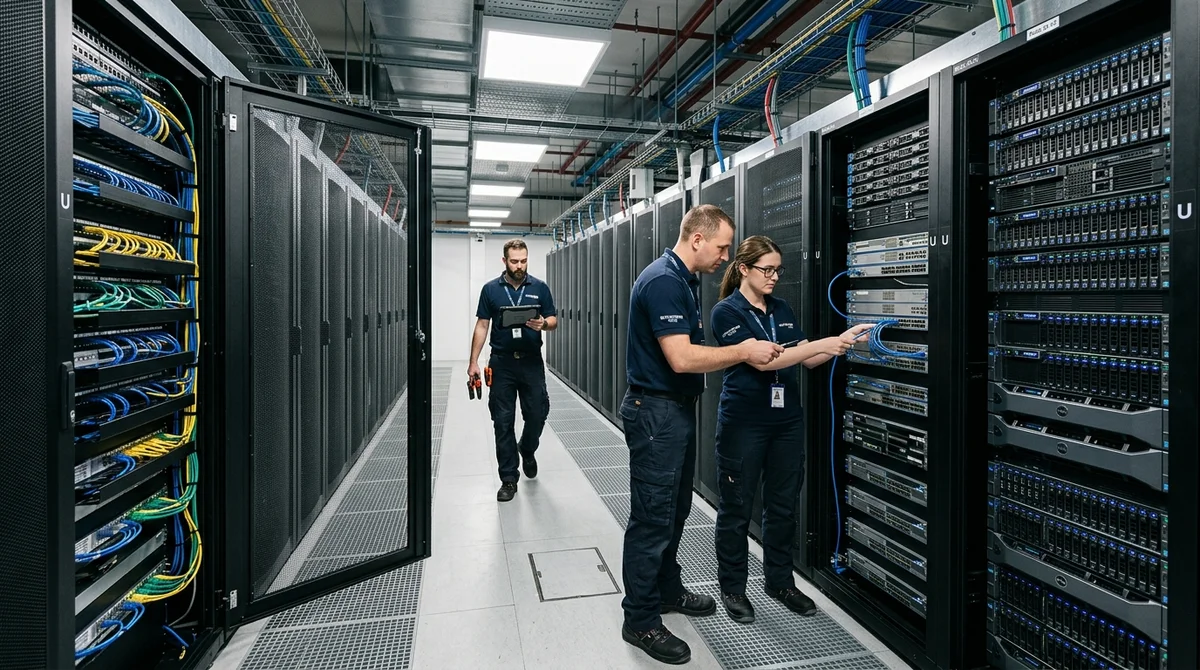
Core42, the cloud and AI infrastructure subsidiary of Abu Dhabi-based Group G42, has signed a lease agreement for a converted office complex in downtown Minneapolis. The building will be retrofitted into a data center with a capacity of 20 megawatts. Bloomberg confirmed the deal this week.
Who Stands Behind the Investment
G42 is an investment and technology conglomerate of the United Arab Emirates headquartered in Abu Dhabi. The company controls a portfolio spanning logistics to AI, but in recent years has focused on cloud computing. Core42 is its technology star—a subsidiary that directly competes with AWS, Google Cloud, and Microsoft Azure.
Core42 is growing rapidly thanks to demand for AI infrastructure in the Middle East region and in developing countries seeking alternatives to dominant American providers. A new data center in the USA is a strategic move: the American market remains the largest consumer of cloud services, and local presence is critical for any serious player.
The building at 1001 Third Avenue South is located in Minneapolis's business district. Previously an office, the complex is now being retrofitted to house server racks, cooling systems, and network components. Converting offices into data centers is a typical trend: commercial real estate is losing demand while cloud infrastructure is growing.
Irony and a Shift in Geopolitics
The story of this deal is laden with symbolism. Two decades ago, Silicon Valley seemed like the undisputed center of the cloud revolution. The USA, California, Google, Amazon—that was the entire cloud world. Competitors existed only within the US.
Now an investor from the Persian Gulf is building its own data center on American soil without asking for blessing from technology giants.
G42 is not the first Middle Eastern player investing in US cloud, but the scale is impressive:
- 20 megawatts—a serious size even for a medium data center
- Long-term contract (meaning it's a strategic asset)
- Direct competition with global hyperscalers on their own territory
- A signal that the Middle East is no longer just a cloud consumer, but also a cloud producer
Before this, three companies controlled the world's infrastructure: Amazon, Google, Microsoft. Now clear alternatives are emerging. For nations and corporations that wanted to avoid American lock-in, this is good. For hyperscalers—it's pressure.
Expanding Beyond Regional Borders
Core42 is famous for its work in the MENA region—Middle East and North Africa. The company's data centers serve local startups, governments, oil and gas corporations. But investing in only one region is a strategic mistake. Minneapolis is a gateway to the North American market. From here, Core42 can serve American companies seeking cloud outside the big three (AWS, Google, Azure). This could be startups concerned with diversification, or companies worried about data sovereignty—where their data physically resides.
"The global cloud market is shifting from monopoly to a polycentric model,"
Core42 sees this trend and is among the first to build alternative infrastructure.
What This Means
Core42's Minneapolis deal represents a redefinition of who controls global AI infrastructure. The USA is no longer only a cloud producer, but also hosts cloud from competitors. For enterprises and startups, this is a step toward greater choice and lower prices. For global technology, it's the beginning of a polycentric system—instead of an American monopoly on cloud.