Акции Fujikura обвалились на 17% из-за разочаровывающего прогноза на спрос от AI
Fujikura — производитель оптических волокон — обвалился на 17% в цене. Компания опубликовала трёхлетний прогноз, который разочаровал инвесторов. Они ждали бума
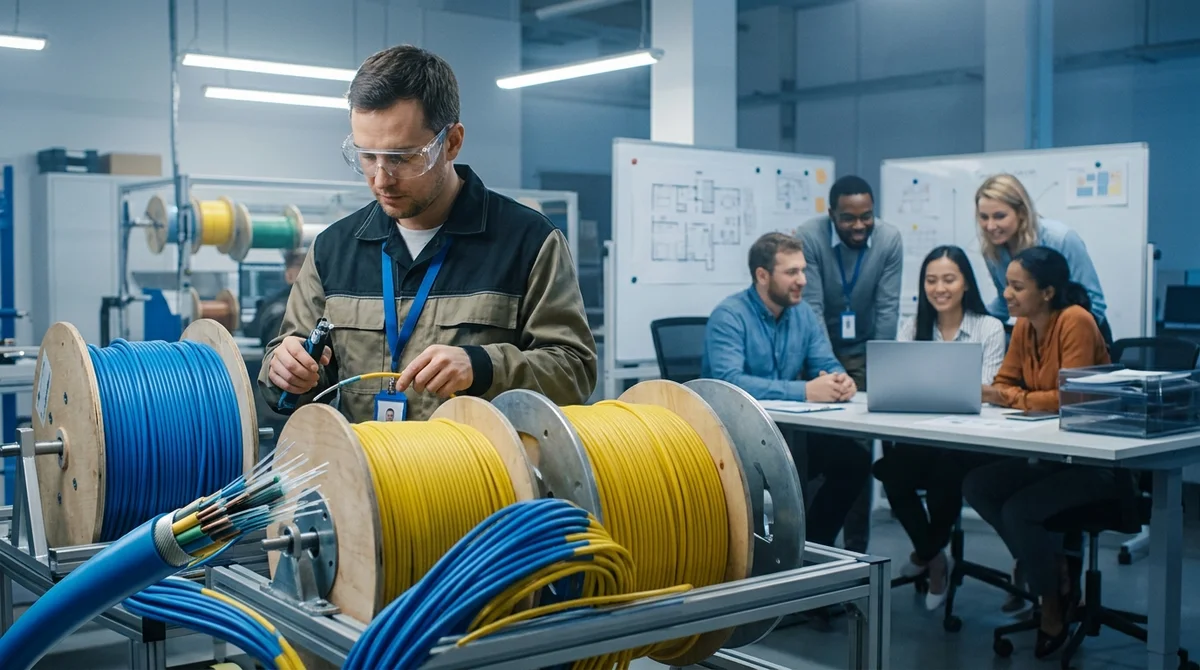
Shares of Japanese company Fujikura Ltd. lost 17% of their value following the publication of a three-year forecast that fell short of market expectations for AI demand for high-density optical fibers for global communication networks.
What Happened
Fujikura, one of the world's leading manufacturers of optical fibers and cables, published its three-year development forecast. Investors expected an optimistic statement from the company about growing demand linked to AI data centers. Instead, the company provided figures that sounded more modest. This was not a negative forecast — Fujikura still expects growth. But the growth rates and volumes turned out to be lower than what the market had priced into the stock. Investors immediately repriced the shares downward. During the trading session, shares fell more than 17%.
Why Investors Believed in AI Demand
The logic was clear and seemed irrefutable: AI chips require massive data centers. Data centers need to be connected to each other and to clients through a global network. This requires optical fibers — cables through which signals travel at the speed of light.
Fujikura is one of the largest suppliers of these cables. Therefore, when AI takes off, so does its revenue. This rule worked for chips (Nvidia, TSMC) and partly for cooling.
Investors decided to apply it to network infrastructure as well. Fujikura shares rose on the wave of AI hype. But the optical fiber market is structured differently.
It is not microelectronics, where one player dominates. It is a fairly competitive segment with several major manufacturers. Demand is growing, but more steadily.
You cannot triple it in a year simply because a new hype has appeared.
Factors of Disappointment
Several circumstances led to actual demand falling short of expectations:
- The pace of cloud data center expansion has slowed — providers have become more cautious
- The volume of new optical fiber orders for 2024-2026 turned out to be less than forecasted
- Competition keeps prices under pressure and squeezes manufacturers' margins
- Existing network capacity has not yet been fully exhausted
What This Means
The Fujikura story shows an important point: AI hype overestimates not only the chips themselves, but the entire infrastructure chain. Investors bet that the world will restructure itself around AI in a year, but reality is slower. Each component — from silicon to cables — requires a sober assessment. Fujikura is not falling because it has forgotten how to make fiber, but because its revenue will grow more slowly than enthusiastic investors had priced in.