Рынок захватов для роботов в России вырастет в 25 раз к 2030 году
Рынок концевых эффекторов (захватов, сварочных головок, дозаторов) для промышленных роботов может вырасти в 25 раз — с 6,6 млрд рублей в 2024 году до 168,4 млрд
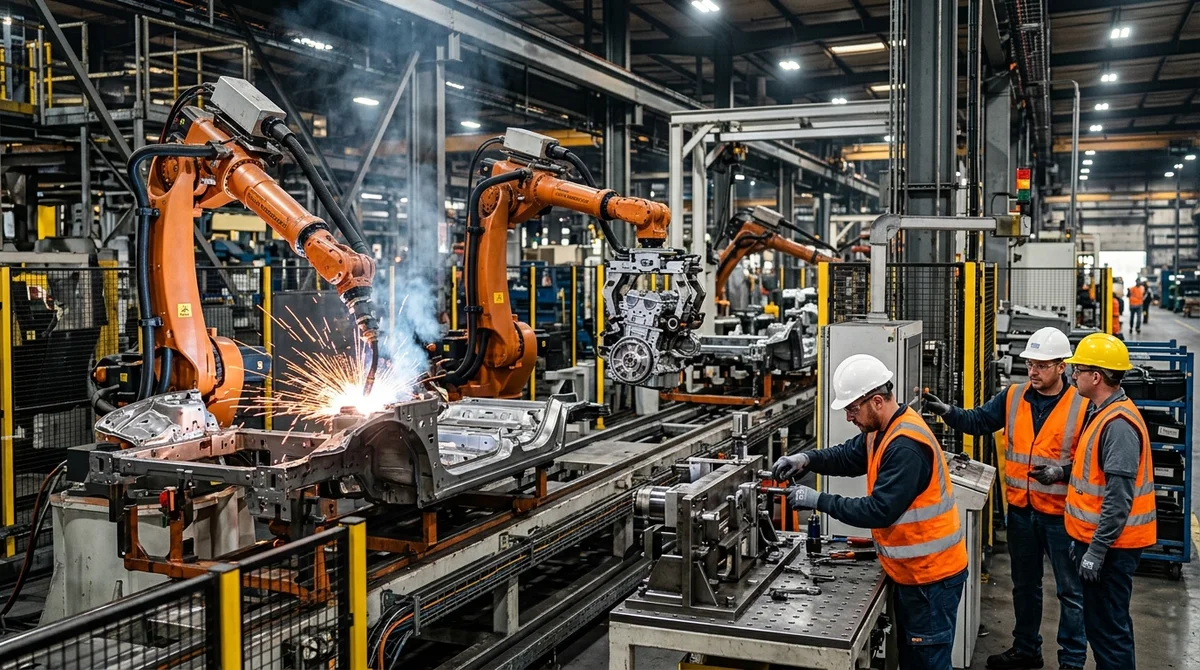
Russia's market for industrial robot end-effectors is poised for explosive growth. According to expert forecasts, the market volume could increase more than 25-fold — from 6.6 billion rubles in 2024 to 168.4 billion rubles by 2030.
What Are End-Effectors
End-effectors are interchangeable work tools that are attached to the end of an industrial robot's manipulator. These can be various types of grippers (mechanical claws, vacuum suction cups, magnetic grippers), welding heads, dispensers, polishing tools, soldering tools, and much more. All of this determines what specific operations the robotic system is capable of performing.
If body welding is needed, a specialized head is installed. If delicate electronics assembly is required — a precise gripper with force sensors is needed. For working with fragile products in the food industry, vacuum systems are suitable. Effective automation without quality end-effectors is simply impossible. The productivity, accuracy, and reliability of the entire production system depend on their selection, design, and calibration.
Why Is the Market Growing So Quickly
The forecast of explosive growth is based on several objective factors that simultaneously drive Russian manufacturing toward accelerated automation and increase demand for quality components. First, sanctions and import substitution. Companies are forced to localize production, which requires investments in automation and cost reduction. Robotization is one of the fastest ways to increase output with the same or fewer workers.
Second, acute labor shortages, especially in dangerous and monotonous jobs. Demographics push business toward machines. The third factor is cheap electricity. In Russia, it is cheaper than in most countries, making robot labor more attractive than human labor. And finally, state support for production and development of domestic robotics competencies. Previously, Russia imported almost everything; now domestic manufacturers are growing, who need domestic end-effectors tailored to their standards.
In 2024, the Russian market is valued at 6.6 billion rubles. By 2030, this figure could reach 168.4 billion rubles. This is a complete transformation of the country's production landscape that will occur in just a few years.
Where Are End-Effectors Applied
The highest demand is expected in industries where automation has the greatest impact:
- Automotive — traditionally the main consumer of various robotic end-effectors for welding, assembly, and painting
- Food industry — grippers for packaging, dispensing systems, product sorting
- Electronics and microelectronics — precision component assembly, soldering, testing
- Logistics and warehouse management — automated picking, parcel sorting
- Mechanical engineering — production of robots themselves, pressing and forging operations
What Does This Mean
This is not just a forecast number — it is a signal of Russian manufacturing's transition to a new technological level. Companies that now invest in robotization and local end-effector production will gain a sustainable competitive advantage. For the technology ecosystem, market growth will create new opportunities: startups specializing in end-effector design and production will emerge, jobs will grow in knowledge-intensive manufacturing, and demand will appear for engineers who can design and integrate such systems. Robotization is becoming not just a cost-saving tool, but the main driver of modernization of Russian industry.