TSMC plant in Japan posts a profit for the first time ever
TSMC's Japanese plant posted its first profit two years after launching in 2024. This is a significant milestone for the chipmaker as it expands geographically. At the same time, TSMC's U.S. fabs are delivering strong results and underpinning the group's core earnings. By contrast, the German plant continues to operate at a loss and requires additional government support.
AI-processed from CNews AI; edited by Hamidun News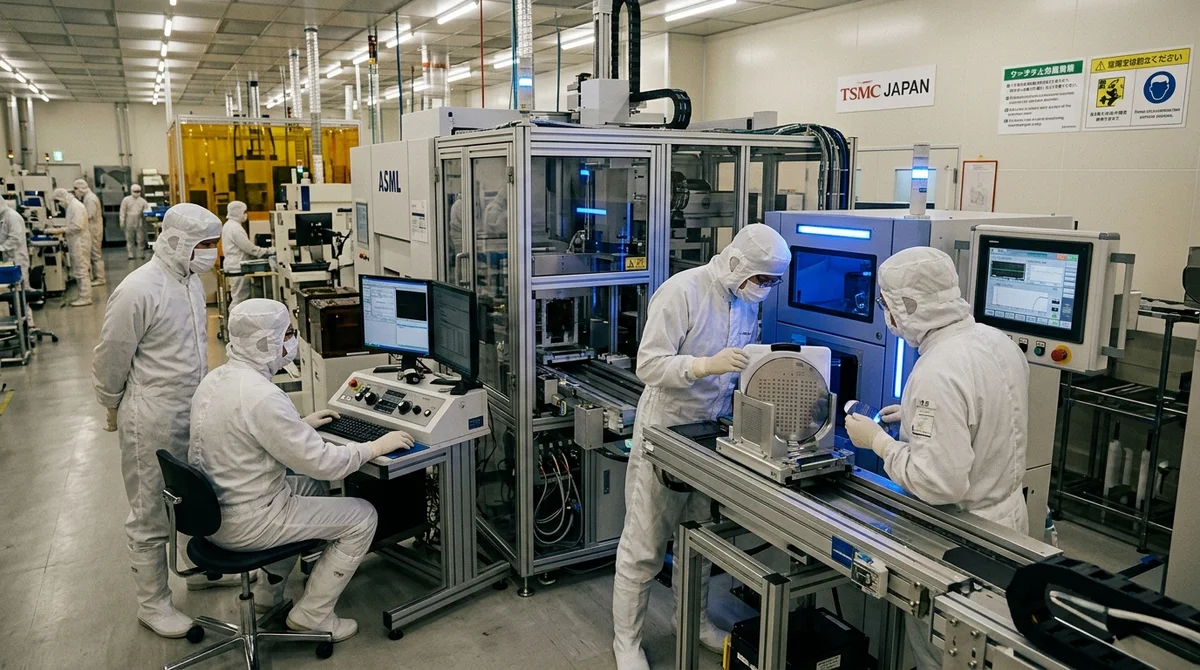
TSMC's Japanese factory showed a profit for the first time since its launch in 2024. This means the Taiwanese contract chipmaker has begun recouping its investments in expanding production beyond Taiwan.
TSMC's Geographic Expansion Strategy
TSMC is actively building factories around the world to diversify supply chain risks and meet countries' requirements for local semiconductor production. This is particularly important against the backdrop of supply chain tensions and government demands to ensure domestic chip production. The Japanese factory is one of the flagship initiatives of this strategy. The company chose Japan as a reliable partner and received state support. While the Japanese factory's profit is modest relative to TSMC's global revenue, the fact that it reached break-even sooner than expected indicates good capacity utilization and demand for products.
Contrasting Results Across Regions
TSMC's global factories show dramatically different results:
- Japan — achieved profitability for the first time after two years of operations
- USA — operating excellently and generating significant income for the group
- Germany — remains unprofitable and depends on government subsidies
- Singapore and Taiwan — the production core, historically profitable
TSMC's American factories experience strong demand from local customers, especially under the CHIPS Act legislation, which incentivizes domestic production. This provides sufficient volume for cost recovery and profit.
German Factory: A Difficult Path to Profitability
TSMC's German factory in Dresden remains unprofitable and is still in the startup phase. This is due to several factors: high costs for construction and operations in Europe, lower initial production volumes, and competition from cheaper Asian production. While Europe allocated subsidies through the European Chips Act program, they have so far been insufficient for rapid achievement of profitability. The German factory requires either significant increases in demand from European electronics manufacturers, or additional government injections. This situation contrasts with Japan, where demand for locally produced chips from domestic companies quickly formed.
What This Means
The success of the Japanese factory demonstrates that TSMC can quickly adapt its operations to new regions when there is support and demand. For Europe, this means a long path to profitability — government subsidies alone are insufficient; a strategy is needed to create demand for locally produced chips among European manufacturers.
Access Frontier LLMs & Multimodal AI in One Workspace
Discover NomadNet AI (nomadnet.ai) — unified access to frontier language models, research synthesis, and multimodal workflows.
The AI world, distilled — once a week
Seven stories that actually mattered, hand-picked. No noise, no reposts, no press releases.
Done! Check your inbox for a confirmation.