Trump's cuts to weather data threaten less reliable weather forecasts
Experts fear that funding cuts to climate programs under the Trump administration will damage the reliability of NOAA forecasts. The agency recently launched AI
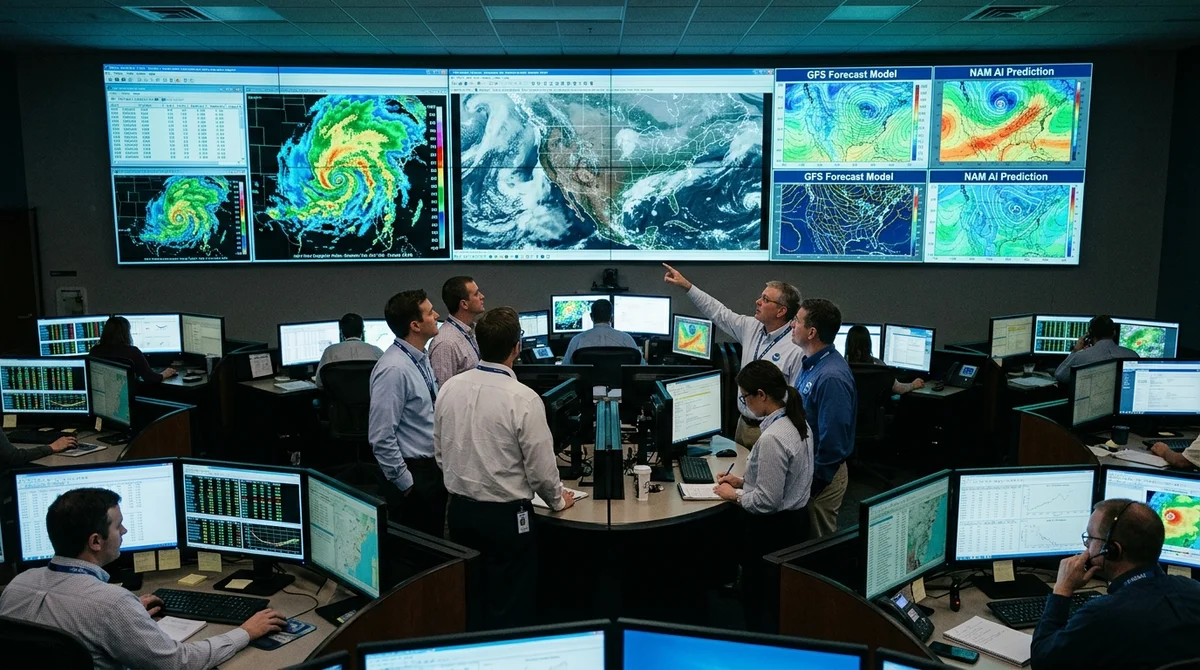
Trump's cuts to meteorological data threaten less reliable weather forecasts
Budget cuts to climate programs in the Trump administration threaten to reduce the accuracy of federal weather forecasts at one of the most critical periods: ahead lies a dangerous hurricane season and forecasts of extreme summer heat.
What NOAA Launched
Late last year, the National Oceanic and Atmospheric Administration (NOAA) deployed a new generation of AI models for global weather forecasting. According to the agency, these models are designed to improve the speed, efficiency, and accuracy of predictions. In March, an official NOAA representative confirmed that the AI system is being trained on massive volumes of historical data — virtually all meteorological records spanning centuries. This allows the models to identify complex patterns in atmospheric behavior that traditional forecasting methods may miss.
Why Data is the Foundation of AI
Experts emphasize a simple truth: AI models work only with quality, complete, and current training data. Federal funding cuts to climate and meteorological programs mean direct blows to infrastructure:
- Loss of historical archives and their current maintenance
- Reduction of meteorological stations and satellites networks
- Delays in modernizing climate monitoring systems
- Decrease in data volumes available for training AI models
- Deterioration of the timeliness for updating forecasting systems
If NOAA loses data completeness, AI models will begin to degrade, even if hardware remains operational. The accuracy of predictions will decline precisely at the moments when people need them most.
Hurricane Season is Already on the Way
Time is critical. The Atlantic hurricane season begins in June. The summer forecast for 2026 promises record heat and anomalous weather phenomena. Accurate forecasts are literally lifesaving for millions of Americans when making decisions about evacuation, school closures, emergency service deployment, and protecting critical infrastructure. Even a slight drop in forecast reliability during such periods can lead to serious consequences.
What This Means
The paradox is obvious: the US created an advanced AI system for forecasting, but at the same time plans to cut the data on which this system is trained. This is a lesson that AI solutions cannot be maintained simply by flipping a switch — it requires a constant flow of quality, complete data. Without it, even the smartest models become useless.