Musk loses lawsuit against Altman: court finds claims invalid
The jury delivered a unanimous verdict in Musk v. Altman. Two claims by the X owner were found barred by the statute of limitations. A third claim was…
AI-processed from The Verge; edited by Hamidun News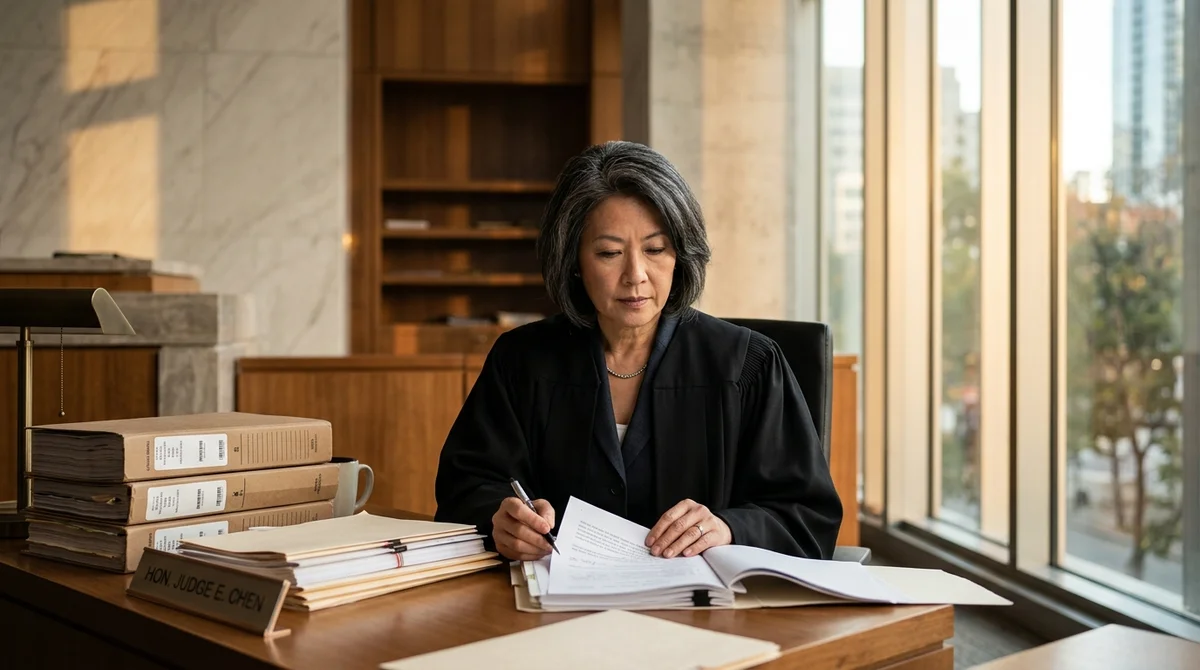
The jury delivered a unanimous verdict in the landmark Musk v. Altman and OpenAI case. After two hours of deliberation, Judge Yvonne Gonzalez Rogers agreed with the decision: two main claims were blocked by the statute of limitations, the third was dismissed on procedural grounds. This closes one of the most high-profile lawsuits in the history of the technology industry and the information conflict between two key figures of the AI boom in recent years.
What Musk's Accusations Comprised
Musk filed a federal lawsuit against Sam Altman and OpenAI with several serious claims. The main accusation concerned breach of charitable trust. According to the founder of Tesla and OpenAI co-founder, the company deviated from its original mission of being an independent non-profit organization and transformed into a commercial enterprise under the influence of Microsoft and Altman personally.
Musk argued that the original promise of openness and independence had been violated. Instead of developing freely accessible AI for the public good, the company became insular, coming under the control of corporate interests of major investors. For the founder, this was a matter of principle: when does a charitable organization have the right to reclassify itself as commercial, especially if its creators view such a move as a betrayal of initial ideals and public interest?
How and Why the Jury Delivered Its Verdict
The court's decision was based on procedural rather than substantive grounds. Two of Musk's claims were deemed to fall under the statute of limitations — in other words, the plaintiff waited too long before filing the lawsuit, and the right to litigation on these points had expired.
The third claim was dismissed as a consequence of this determination. The jury had only advisory status: its verdict technically does not bind the court. However, Judge Rogers accepted its recommendation fully, which means the final legal finality of the decision. Musk will not be able to continue proceedings on the merits — everything is closed on formal, procedural grounds. He is left either to appeal the statute of limitations ruling or to accept defeat.
Who Won This War
On a formal level, Altman and OpenAI achieved a clean victory. Musk did not get the opportunity to deploy his main argument about breach of mission before the court and jury. Instead, the case was closed before serious substantive arguments even began. This means that for the court record and public memory, the OpenAI and Altman version will remain, not Musk's detailed counterarguments and evidence.
"The verdict protects
OpenAI from lawsuits regarding breach of charitable mission, but raises a sharp question about what rights founders of non-profit organizations have if the company fundamentally changes direction," note legal experts and technology journalists.
What This Means for the Future of the AI Industry
The verdict sets an important legal precedent for the entire ecosystem of AI startups and venture financing. Charitable companies that received venture investment and grew into large commercial structures are legally protected from lawsuits about mission breach if claims are filed years after the alleged violation. However, the verdict simultaneously raises a deeper moral-philosophical question: should non-profit organizations receive such legal protection when transforming into commercial structures, or is this morally questionable?
For the industry, this means that companies legally have the right to change their direction of development, even if it contradicts their noble origins, provided that claims are filed within the statutory timeframe.
Want to stop reading about AI and start using it?
AI News is a curated feed of AI/tech news. Hamidun Academy teaches you to use AI systematically in your work.