Trust in Altman has become the central question in the Musk-OpenAI trial
In the final stage of the trial between Musk and OpenAI, the main question is CEO Sam Altman's trustworthiness. Trust in the company's leader could become a dec
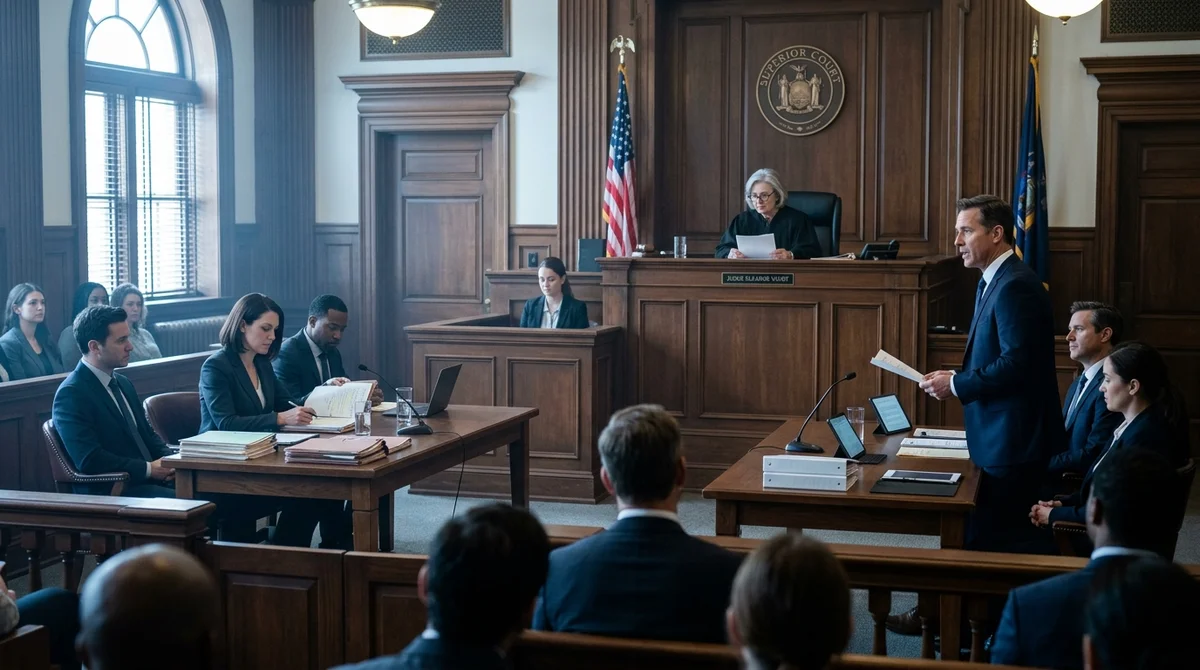
At the concluding stage of the lawsuit between Elon Musk and OpenAI, a key question has come into focus: how much can Sam Altman and his statements about the company's goals and actions be trusted.
Trust at the
Center of the Case The question of OpenAI CEO's reliability has become the main topic of the court's final days. This is not simply a formal aspect — Altman's personal reputation could become a decisive factor in the case's outcome. Lawyers for both sides are actively discussing how honest the company head's promises were and whether his actions match his words. Throughout the judicial proceedings, hearings have revealed contradictions between Altman's public statements about OpenAI's mission and the actual business decisions the company has made. This has created space for discussion about whether the CEO's words about his intentions and OpenAI's development plans can be trusted.
Why
Trust Matters In corporate law, relationships between founders, investors, and company leadership are often built on trust and mutual understanding. If the court concludes that Altman is unreliable or acted in violation of his promises, this could significantly influence the judge's decision in favor of the plaintiff. The question of a leader's personal reliability is one of the most complex and delicate aspects of corporate disputes. The court needs to assess not only documents and contracts, but also whether a fundamental agreement between the parties has been violated.
- A leader's personal reliability affects how investors and partners perceive the company Unfulfilled promises can be grounds for major damages lawsuits Questions about CEO honesty affect OpenAI's long-term reputation * Trust is often more important than technical contract details in courts' eyes ## Arguments in Court Musk's lawyers argue that Altman made specific promises that were subsequently not fulfilled. They point to discrepancies between public statements about OpenAI's non-profit nature and the company's practical decisions regarding commercialization and profit generation. On the other hand, OpenAI's defense attempts to prove that all of Altman's actions were justified by changing circumstances and technical capabilities. They argue that the company's development was anticipated within the framework of a general agreement on company growth and adaptation to market conditions.
"Trust is the currency of business, and its loss can cost more than
any financial penalties," note experts in corporate law.
What
This Means The question of trust in Altman remains at the center of the court's attention until the final day of proceedings. This case demonstrates how important a leader's personal reputation and reliability are to his company's fate. Regardless of the outcome, the process has already changed public perception of OpenAI and called into question the narrative about the company's mission and values.