Brussels approved AI Act compromise: ban on intimate deepfakes and delay
The EU finalized the long-awaited AI Act update after two years of tense negotiations between Parliament and the Council. The main changes: a ban on creating no
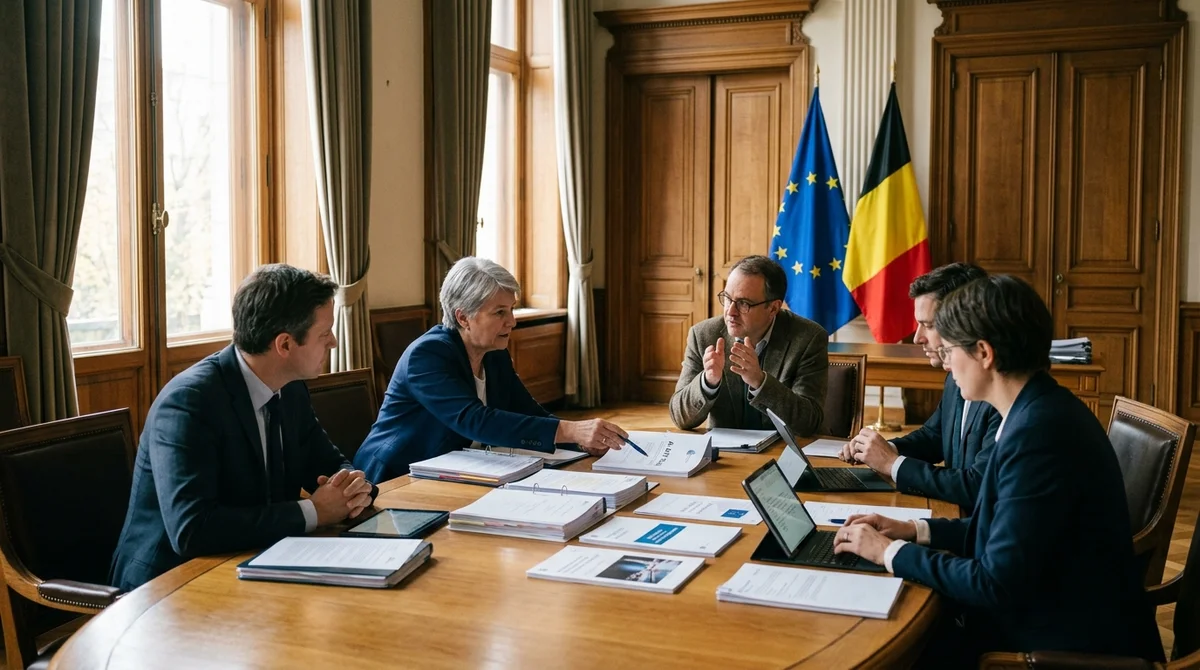
The European Parliament and EU Council have finally reached agreement on the long-awaited update to the AI Act — one of the world's strictest artificial intelligence regulations. After two failed rounds of negotiations, both parties reached a compromise that postpones the compliance deadline for high-risk systems, eases requirements for startups, and introduces a long-awaited ban on the creation of intimate images without consent.
Main Changes
The compromise was achieved through concessions from both sides. Parliament agreed to softer timelines for small businesses, while the Council accepted stricter rules regarding non-consensual intimate imagery. The final agreement addresses three key points:
- Postponement of Deadlines — the deadline for compliance with high-risk AI systems (biometric facial recognition, social scoring, hiring algorithms) has been moved to December 2027. Companies receive an additional two years to adapt in areas critical to society.
- Relief for Small Businesses — startups and small-to-mid-sized companies will receive reduced requirements for documentation, monitoring, and auditing. The European Commission secured this point, understanding that young companies should not drown in the same bureaucracy as tech giants.
- Ban on Non-Consensual Intimate Imagery — the law prohibits the creation, distribution, and use of intimate images (photos, videos, audio) without consent. This applies to both real materials and synthetic content (deepfakes). Violators may be held liable under European law.
Two Years of Negotiations
The path to agreement was long and difficult. Parliament and Council met twice in trilogue negotiations (three-sided talks with the Commission), but both times failed to find a compromise. The disagreements concerned not principles, but details: how specifically to apply restrictions, on what timelines, what exceptions to provide for scientific research, how not to stifle innovation in the AI industry.
At the center of the disputes was the boundary between protecting human rights and freedom of expression. On the third attempt, negotiators found a balance that satisfied all parties. The European Commission confirmed the compromise achievement on Wednesday during a press briefing.
Official ratification of the law will take several weeks, but the main mechanism has already been agreed upon by all parties and is final.
Protection from Deepfake Pornography
The ban on non-consensual intimate imagery is a historic victory for human rights advocates and women's organizations, who have fought for such a ban for decades. In recent years, deepfake technology has become more accessible and cheaper, and synthetic pornography featuring real people is spreading online at an accelerating rate. According to research, more than 90% of deepfake content depicts women, often without their consent and even knowledge.
Now platforms hosting such content and developers creating tools to produce it can be held liable under European law. Fines and enforcement mechanisms are still being refined before the law's final publication, but the principle is established and immutable. Experts expect that this provision may inspire other countries to introduce similar bans.
What This Means
For European startups, the compromise is good news: more time to adapt and less bureaucracy in the early years. For large platforms and international AI companies, it is yet another demonstration that the EU is not weakening its requirements for the industry. And most importantly — European law now clearly prohibits one of the most harmful forms of digital violence at the legislative level. This could become a precedent for other countries and create a new international standard for global AI technology regulation.