NHS uses AI to reduce waiting lists and ease pressure on doctors
The crisis in the UK's NHS is reaching a critical point: 7.25 million patients are waiting for treatment. The health service is deploying AI technologies to shi
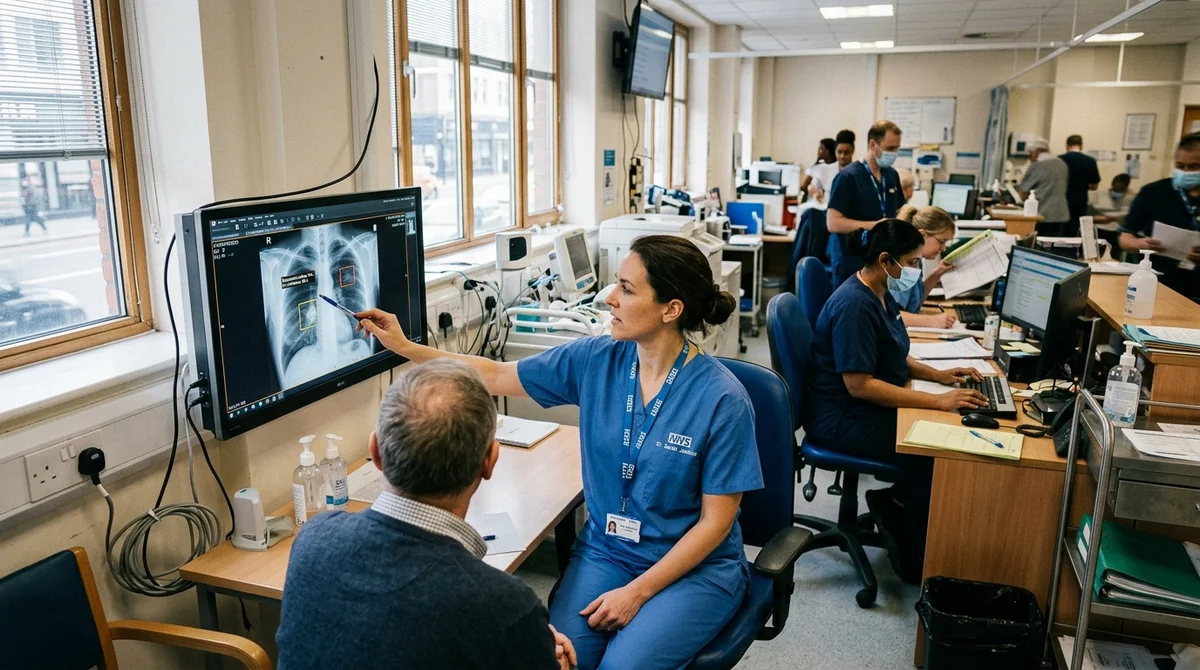
The UK's National Health Service (NHS) faces an acute crisis: 7.25 million patients are waiting for scheduled procedures and operations. Pressure on the system grows day by day, and traditional management methods are no longer working. NHS leadership is actively seeking new solutions, including the implementation of artificial intelligence that could turn the situation around.
Moving care to outpatient centers
NHS's new strategy involves the large-scale relocation of medical care from hospitals to outpatient centers. This means that some surgical procedures and diagnostic processes that previously required hospitalization and multi-day stays will now be performed on an outpatient basis. AI systems play a key role in optimizing this transition process. Artificial intelligence analyzes patient flows and determines which procedures can be safely moved out of inpatient facilities. The system also helps organize workflows in outpatient centers so they can handle the increased load. Beyond this, AI takes on significant administrative burden: managing appointment schedules, patient records, preliminary diagnostics, and documentation. This frees doctors and nurses from routine work and gives them the opportunity to focus on direct patient care.
What AI gives doctors
Doctors at NHS today are working at their limit. Each day they see hundreds of patients, process vast amounts of documentation, and try to prevent critical errors. Human resources are exhausted, and burnout among medical staff has reached alarming levels. Here AI assistants come to the rescue:
- Analysis of medical imaging — the system helps doctors identify pathology on X-rays or MRI scans faster and more accurately
- Patient history management — automatic record completion and organization of medical documentation
- Case prioritization — AI determines who needs urgent care and who can wait
- Treatment recommendations — the system offers doctors options based on analysis of patient data and medical literature
- Risk prediction — AI identifies patients with a high probability of complications before they occur
From survival to efficiency
The policies being implemented in NHS are a desperate attempt to save a system that is cracking under strain. Every day NHS staff work while risking their physical and mental health due to unbearable overload. The implementation of AI is an attempt to bring them some relief and dignity in their work. The truth is that AI alone will not fully solve the problem. NHS needs additional funding, more doctors, better infrastructure, and political will. But intelligent systems can significantly improve the efficiency of existing staff and help tens of thousands of patients receive care faster.
What this means
The British NHS demonstrates how public healthcare systems in developed countries are beginning to apply modern technologies to overcome chronic crisis. If this approach yields positive results in Britain, other countries facing similar problems will follow the same path. For patients, this could mean faster and more accurate treatment; for doctors, it could mean the opportunity to work in healthier conditions.