Google shuts down Project Mariner — an ambitious AI agent for the browser
Google has shut down Project Mariner, an AI agent developed at DeepMind to automate complex tasks on the internet through a browser. The project aimed to create
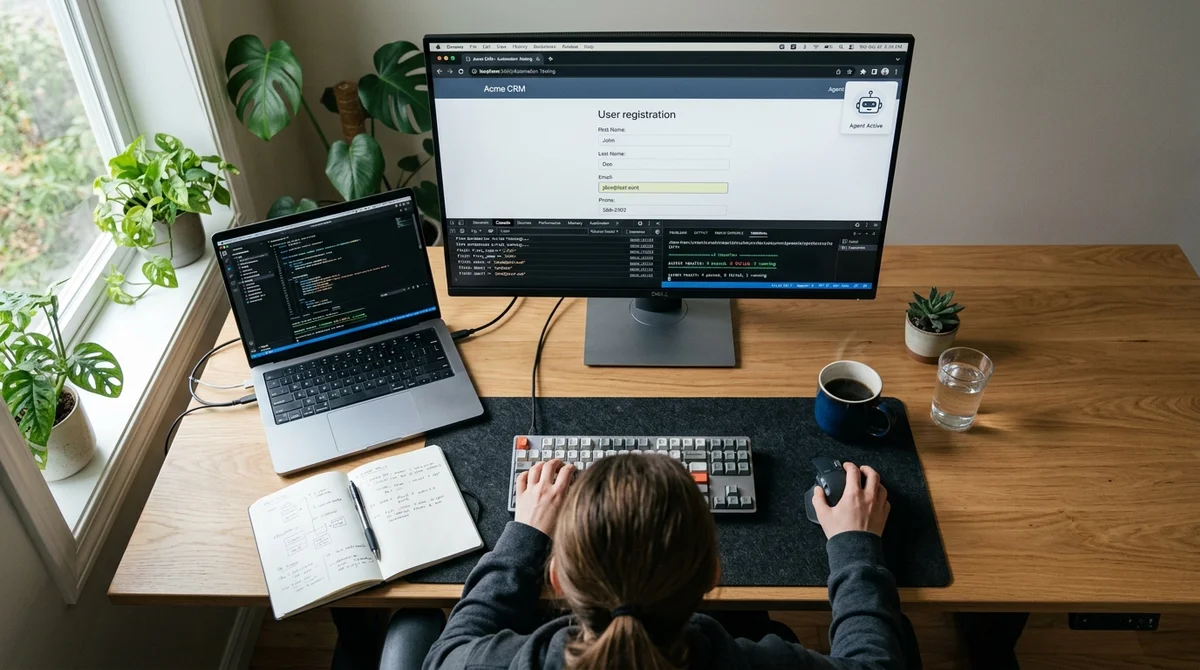
Google is shutting down development of Project Mariner — a project for a browser-based AI agent designed to autonomously execute complex tasks on the internet. The project closure reflects the difficulty of creating reliable and secure browser agents amid growing competition in the AI automation segment.
What Was Project Mariner
Project Mariner was being developed in DeepMind and Google Research labs over several years. The agent was designed to perform real-world tasks requiring interaction with web interfaces: ordering goods and food, booking hotels and airline tickets, searching for information on websites, filling out forms and documents, monitoring information, comparing prices. The agent could see the user's screen in real time and click on interface elements independently, as humans do. It learned from examples and continuously improved. Project Mariner was positioned as a step toward universal AI assistants that could handle everyday internet tasks completely autonomously, without human involvement. For Google, this was a technically complex and ambitious direction, requiring significant computing resources and engineering efforts.
Why Google Is Shutting Down the Project
Google did not officially explain the reasons for the closure, but the context is clear. In recent months, there has been a surge of activity in the development of browser-based AI agents: OpenAI launched Operator (integrated into ChatGPT Pro), Anthropic is working on its own solution based on Claude, and other labs and startups are testing similar technologies. Competition has intensified. Browser agents have faced fundamental technical challenges that have proven difficult to solve for a long time:
- Insufficient reliability on complex and non-standard web interfaces
- Issues with processing CAPTCHAs and bot protection systems
- Difficulties with securely filling out payment forms without errors
- High computational costs for processing video streams in real time
- Difficulty adapting to the constantly changing web landscape
- Issues with personal data and security when accessing accounts
Project Mariner may have been shut down due to limited functionality at high development costs, reallocation of resources to other AI priorities, or a calculation that in the coming years this segment will develop more successfully among competitors who can afford large investments.
The Browser Agent Market Is Accelerating
Despite the closure of Project Mariner, interest in browser agents is growing exponentially. OpenAI Operator is already working with payment systems and orders in real-world services (DoorDash, United Airlines, and others). Anthropic is also preparing its own version. Startups and other labs are investing in developing more specialized agents for specific tasks: assistance with job search, price monitoring, accounting automation.
What This Means
The closure of Project Mariner demonstrates that browser-based AI agents still require significant investment and have not reached the level of reliability necessary for widespread deployment across all types of interfaces. This does not mean the direction is dead — quite the contrary, OpenAI and Anthropic are actively developing their solutions with tangible progress. Google apparently decided to wait for other companies to solve the basic technical problems and demonstrate market viability. This is a strategic retreat, not a defeat. Google will likely return to this segment later with its own version once the challenges are at least partially solved.