Facial recognition in British policing: technology outpaces regulators
The British government is actively defending live facial recognition on police surveillance cameras. A court dismissed a human rights lawsuit. Minister Sarah Jo
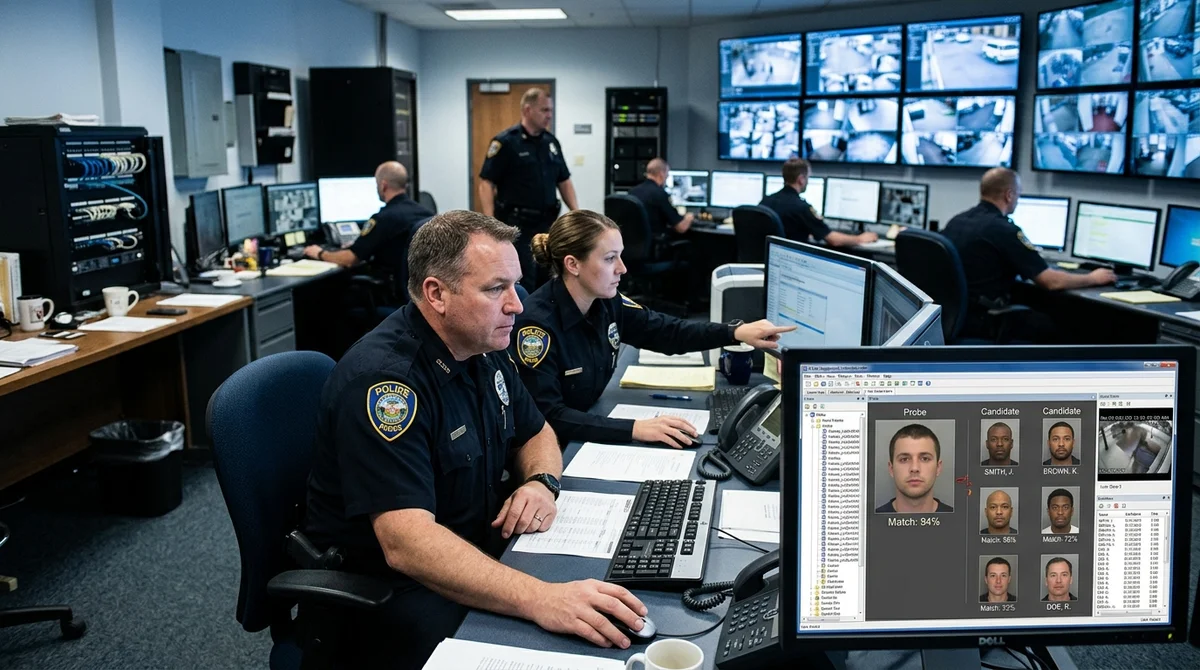
British law enforcement increasingly relies on AI-powered facial recognition systems from NEC. Despite criticism from activists and privacy concerns, the Home Office defends this technology. Recently, a court rejected a lawsuit filed on the basis of human rights violations — and this could set a precedent.
Court Sided with the Technology
Home Secretary Sara Jones stated that the law and people should not fear police use of live facial recognition. According to her, the NEC system exclusively "searches for specific wanted individuals" and poses no threat to citizen security. Moreover, Jones called this technology "the biggest breakthrough in catching criminals since DNA." The High Court rejected a lawsuit from activists, who argued that the system violates the right to privacy and could be used without justification. The court agreed with the Home Office that the technology has legitimate purposes and is carefully regulated. However, the decision sparked a wave of criticism from human rights advocates.
Where Errors Can Occur
AI-based facial recognition is a technology that is still being perfected. History shows that errors happen:
- Misidentification due to poor lighting or camera angle
- False positives in the database of wanted individuals
- Algorithmic bias depending on ethnic characteristics of appearance
- Delays in updating information about wanted persons
- Issues when used in crowds and at mass gatherings
If the system mistakenly identifies an innocent person, this could lead to unjustified detention and investigation. The minister says the risk is minimal thanks to checks, but human rights activists demand far more independent oversight.
The Problem of Technology Outpacing Regulation
This is a classic dilemma of the digital age: tools are implemented faster than authorities can regulate them. The facial recognition question is not simply technological. It is a matter of balance between security and privacy, between the state's right to surveillance and citizens' right to anonymity in public space. In other countries, there have already been scandals with identification systems that malfunctioned and led to wrongful arrests. Critics warn: the British government risks creating a precedent for mass surveillance.
"Law enforcement is important, but not at the expense of fundamental
freedoms," say human rights advocates.
What This Means
This court decision could set a precedent not only for Britain. In many developed countries, law enforcement is considering similar facial recognition systems. If this technology is implemented without sufficient public discussion and independent oversight, it could significantly change the relationship between citizens and the state — a relationship that has been built over decades.