Soderbergh defends use of Meta AI in Lennon documentary
At the Cannes Film Festival, director Steven Soderbergh screened a documentary about John Lennon's final interview, made with the help of Meta AI. Critics objec
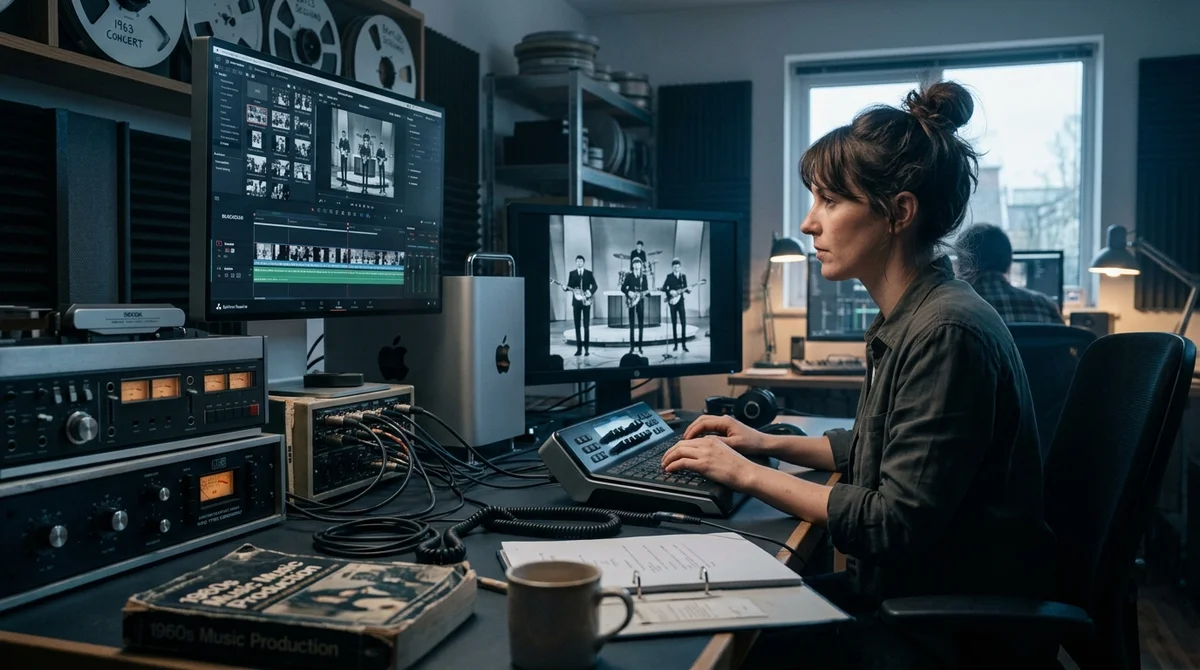
Steven Soderbergh premiered the documentary "John Lennon: The Last Interview" at the 79th Cannes Film Festival using Meta's AI tools. The film centers on a historic two-hour interview between John Lennon and Yoko Ono that they gave to radio station KFRC on December 8, 1980 — just hours before the musician's death. This interview had never been published in full before, and Soderbergh gained access to rare archival material.
How Soderbergh Worked with AI
The director applied Meta's AI tools to process and restore audio and video material. The technology allowed the archival recording to be brought into a state suitable for cinematic viewing while preserving the authenticity of Lennon and his wife's voices and images. This was not a complete synthesis of faces or voices — rather, it was a restoration and cleanup of the original content.
Soderbergh is known for experimenting with form. His films often explore technology as a theme rather than simply as a tool. This time, the choice to use AI provoked mixed reactions at Cannes.
Some critics and viewers called the use of algorithms unethical and speculative — as if the director were replacing historical memory with digital processing. Others saw it as a technical necessity for restoring the material.
Soderbergh's Position
The director does not hide his choice; he openly defends it. According to his position, the use of AI was an intentional part of the film's artistic vision. He believes that in 2026, when artificial intelligence is deeply integrated into our lives and culture, hiding its use would be dishonest and hypocritical.
"This is a film about Lennon's interview, but it is also a film about the creative process in the age of AI.
The algorithm is not a mistake and not a 'dirty mark' — it is a subject for reflection. I am simply more honest than other directors," Soderbergh explains his choice.
Why Film is Concerned with AI
The use of artificial intelligence in cinema faces historically rooted mistrust:
- AI is associated with fake content, deepfakes, and the loss of artistic signature
- Tools from Meta, OpenAI and other corporations raise concerns among critics about control over art
- Working with historical material and the image of real people requires special delicacy
- There is no consensus in the industry about when and under what conditions AI can be ethical
- The public has grown accustomed to viewing AI as a potential threat to creativity rather than as a creative tool
What It Means
The dispute surrounding Soderbergh's film shows that AI in cinema is ceasing to be purely a technological question and is becoming a question of honesty and the director's position. If an author is willing to openly defend his choice and show that AI is part of the meaning of the work rather than simply a technical convenience, the public may accept it. This film becomes a test of whether viewers are ready to perceive technology not as an enemy of creativity but as the environment in which contemporary art occurs. If criticism of Soderbergh intensifies or, conversely, turns into support, it will be a sign that cultural boundaries around AI are beginning to shift.