OBON Corp. and Nvidia billions: how Thailand helped China evade sanctions
Thai company OBON Corp., a partner in Thailand’s national AI strategy, illegally shipped Nvidia servers to China. Alibaba was among the buyers. According to Blo
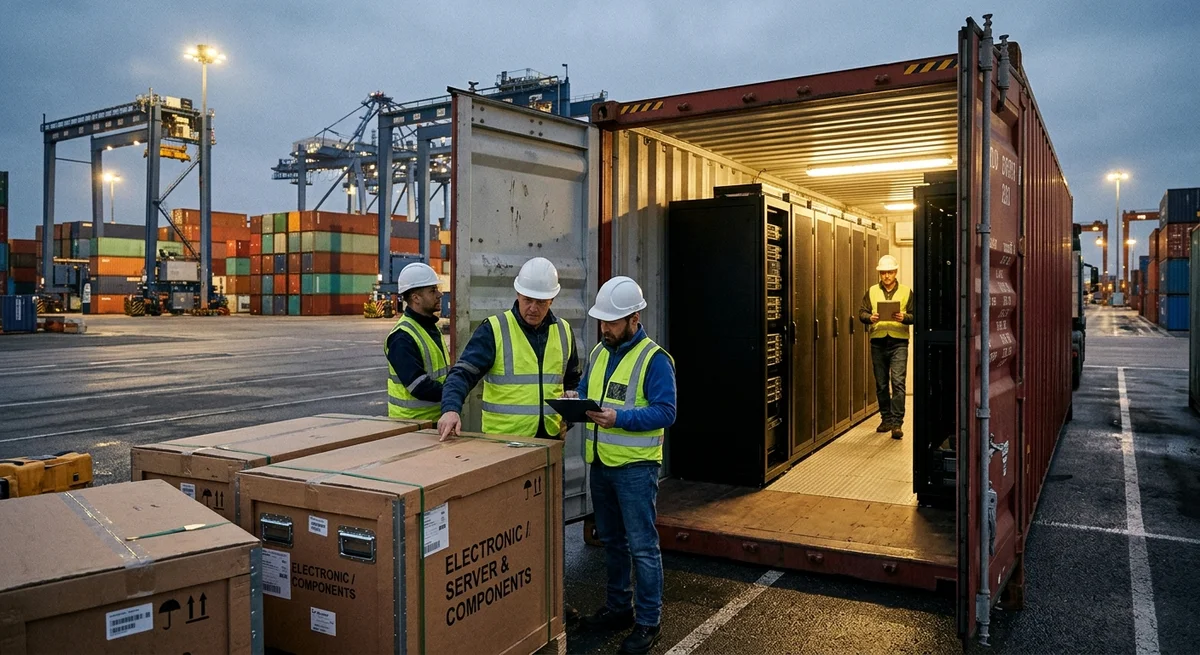
US prosecutors discovered that Bangkok-based company OBON Corp. helped move Nvidia-equipped Supermicro servers to China worth billions of dollars. According to Bloomberg, Alibaba was among the end recipients of the equipment. The scandal is particularly acute because OBON Corp. is an official partner of Thailand's national AI strategy, a government initiative to develop artificial intelligence in the country.
Who is OBON Corp. and its role
OBON Corp. is a Thai company from Bangkok, positioning itself as a key player in national AI infrastructure. It was not just a market participant, but a public partner of Thailand's national AI strategy, an ambitious initiative to develop an artificial intelligence ecosystem in the kingdom. This partnership gave the company legitimacy, access to high-tech equipment, and procurement opportunities that under closer scrutiny might have raised questions. Against the backdrop of its official status, the revealed smuggling appears even more scandalous. The company was not a marginal player on the black market — it operated under the flag of a state AI initiative, which could have helped reduce suspicion when transporting high-tech equipment through customs and checkpoints.
How the smuggling network was built
The company was purchasing Supermicro servers with Nvidia processors — precisely these devices are subject to special US export controls. They are powerful enough and suitable for training large language models and other demanding AI tasks, making them critical to developing AI capacity in China. Accordingly, the export of such servers to China is strictly limited by American sanctions.
OBON Corp. was trafficking these servers to China, bypassing official export channels. Alibaba was among the end recipients, indicating the scale of the operation. US prosecutors estimate the volume as billions of dollars that passed through this chain.
- Purchase of high-performance Supermicro servers with Nvidia GPUs
- Transfer through Thai territory as a transit point
- Delivery to China in circumvention of US export sanctions
- Alibaba and other Chinese companies as end recipients
What this shows about export controls
This case demonstrates a fundamental vulnerability in the high-tech export control system. Even countries that publicly declare support for global norms and partnership with the West can become transit points for smuggling. Thailand, as a relatively neutral and internationally friendly country, proved to be a convenient route for circumventing sanctions. For the US, this is also a signal that the reliability of strategic partners cannot simply be assumed — active monitoring and verification is required, even at the level of state initiatives and public corporate partnerships.
What this means
This scandal creates significant diplomatic damage for Thailand. Although officially OBON Corp. acted independently, its connection to the national AI strategy undermines trust in Thai administration. For other countries, it is a reminder that ambitious state AI initiatives require not only investment, but also strict adherence to international norms. American authorities will monitor cross-border flows of high-tech equipment more carefully, especially when it comes to countries that simultaneously declare partnership with the West and can be used as transit points.