Einride: Electric and Autonomous Trucks Will Reshape Logistics
Einride shows how electric trucks and autonomous technology are changing logistics. CEO Roozbeh Charli told Bloomberg that the key in this transition is not replacing people, but retraining them as operators and analysts. Diesel is becoming a thing of the past.
AI-processed from Bloomberg Tech; edited by Hamidun News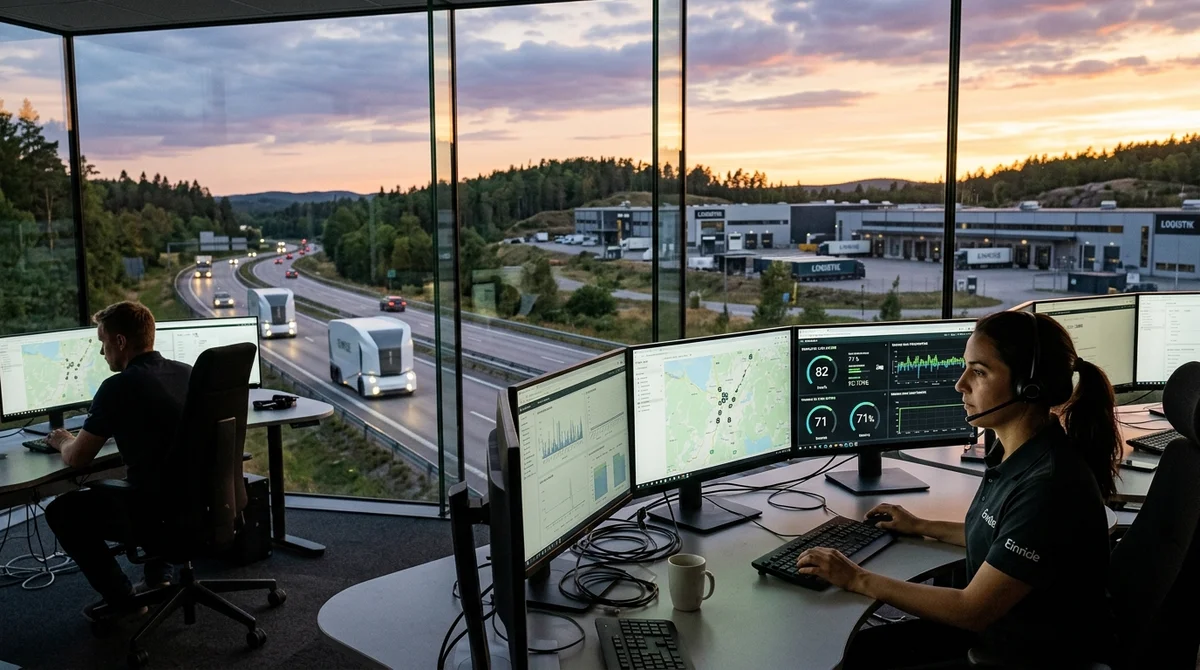
Swedish company Einride demonstrates how electric trucks and autonomous systems are transforming global logistics. CEO Roozbeh Charli told Bloomberg why this transformation is inevitable and why people will remain at its center.
Electricity Displaces Diesel
Einride is not merely an electric truck manufacturer. It's a platform-driven logistics company that combines its own electric transport (T series) with software for fleet management and route optimization. According to Charli, the shift to electric is no longer a question of environmental concerns or ambitions — it's a matter of economics. Electric trucks are cheaper to maintain, have low emissions, and cannot compete on cost-efficiency with diesel, which keeps getting more expensive.
Autonomy Enters Reality
Simultaneously, Einride is developing autonomous truck control systems. Today this is not driverless robots on highways — it's the integration of remote control, AI route planning, and predictive maintenance. Autonomy reduces operational costs (driver salaries account for 30-40% of a logistics company's expenses), but it does not eliminate the need for people.
- Remote control from a dispatch center
- AI optimization of routes and energy consumption
- Machine condition monitoring and preventive maintenance
- Integration with customer systems
People Move Into a New Role
Charli emphasized a crucial point: autonomy will not displace long-haul truck drivers; it will repurpose their work. Instead of monotonous driving, people will remotely manage complex routes, make decisions in non-standard situations, and service and diagnose equipment.
"We need people who understand logistics and technology at the same time," said
Einride's CEO.
For centuries, logistics has been a game of people and routes. Einride shows that in the coming decade this remains true — only the role of people is moving up the value chain.
What It Means
Logistics transformation is happening faster than it seemed five years ago. Electric trucks are already cheaper to maintain, autonomous systems are moving from labs into real-world operations, and management systems are becoming more complex. Demand for people in logistics will not decline — it will shift from truck cabs to operations centers and analytical roles.
Need AI working inside your business — not just in your newsfeed?
I build production AI for companies — custom CRM, internal tools, autonomous agents, workflow automation. Owned by you, shaped to your process, no per-seat tax. Built by Zhemal Khamidun, CPO of AlpinaGPT (AI platform, 6,000+ users).
The AI world, distilled — once a week
Seven stories that actually mattered, hand-picked. No noise, no reposts, no press releases.
Done! Check your inbox for a confirmation.