Uber’s Avride robotaxi comes under investigation over 16 crashes in four months
Uber’s Avride robotaxi is under NHTSA investigation after 16 crashes in four months in Dallas. One incident caused a minor injury. The regulator criticized the
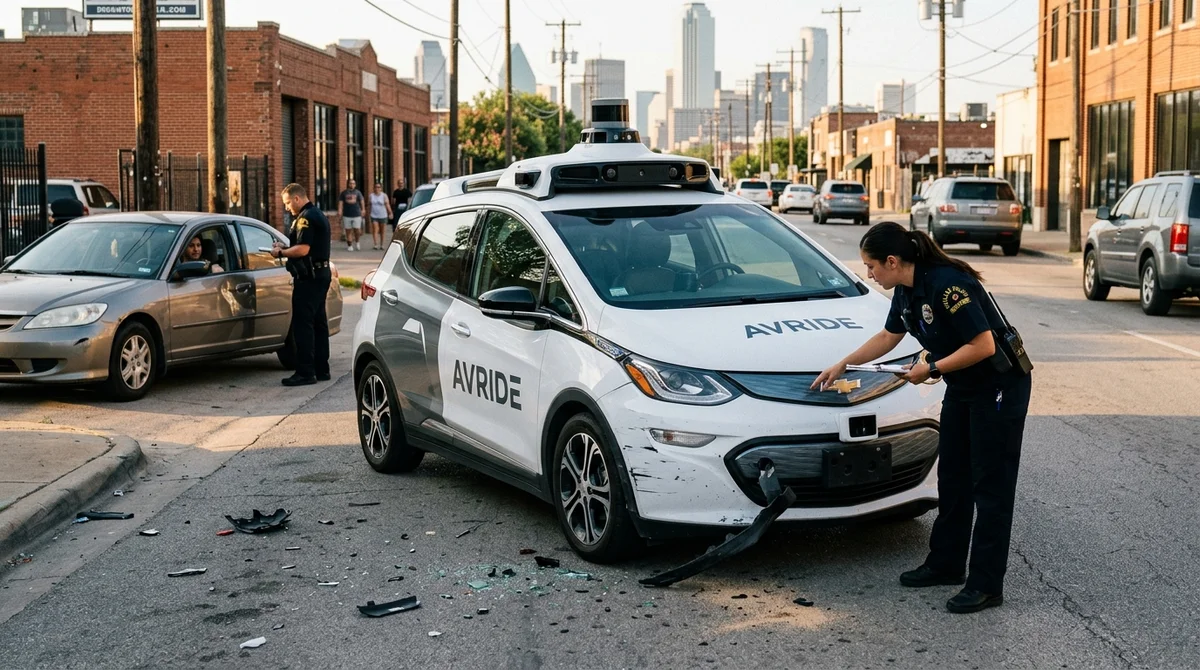
Avride robotaxi, Uber's partner in autonomous vehicles, has come under investigation by the National Highway Traffic Safety Administration (NHTSA) following 16 traffic accidents over four months of operation in Dallas. This is the first serious investigation into a major player in the autonomous taxi market, and it raises major questions about the readiness of the technology.
How the story began
Avride launched its commercial robotaxi service in Dallas in April 2026. The company positioned its vehicles as a finished product capable of competing with traditional taxis. Uber, which has invested billions in autonomous technology development, was counting on rapid service expansion and profitability.
Over the first four months of commercial operation, Avride robotaxis were involved in 16 traffic accidents. One of them resulted in a minor injury to a passenger. Against the backdrop of loud promises about perfect autonomous vehicle safety, these figures look like a serious failure. On average, that's four accidents per month.
What the regulator is criticizing
NHTSA used unusually direct and harsh language in its official notice. The agency characterized the vehicles' behavior as "excessively confident and insufficiently capable." This means: the automobiles often initiate actions on the road that they are unable to safely execute.
The regulator identified serious systemic problems:
- Improper analysis of the intentions of other road users
- Insufficient risk assessment before making maneuvers
- Inadequate response to unpredictable actions by pedestrians and drivers
- Weak adaptation to local urban traffic conditions
- Inability to properly interpret signals and temporary road signs
The vehicles do not handle weather conditions and road conditions as well as experienced drivers. The system cannot foresee danger quickly enough.
What this means for the industry
16 accidents over four months is evidence that next-generation autonomous vehicles are still far from ready for real urban road conditions. Despite years of development, billions of investments, and loud promises, the technology is clearly lagging behind the marketing.
"The vehicles showed excessive confidence in their capabilities," the
NHTSA report states.
The investigation could fundamentally change the sector's development. Possible tightening of safety requirements, freezing of licenses for new tests, and demands for algorithm reworking are on the table. Uber and other investors in autonomous taxis may face a long process before regulatory approval. This could push back the timeline for mass deployment of such services by several years.