Gemini, ChatGPT, and Claude analyze video: who wins the test
Which AI sees video best? Gemini, ChatGPT, and Claude were compared on YouTube clips — one is clearly better.
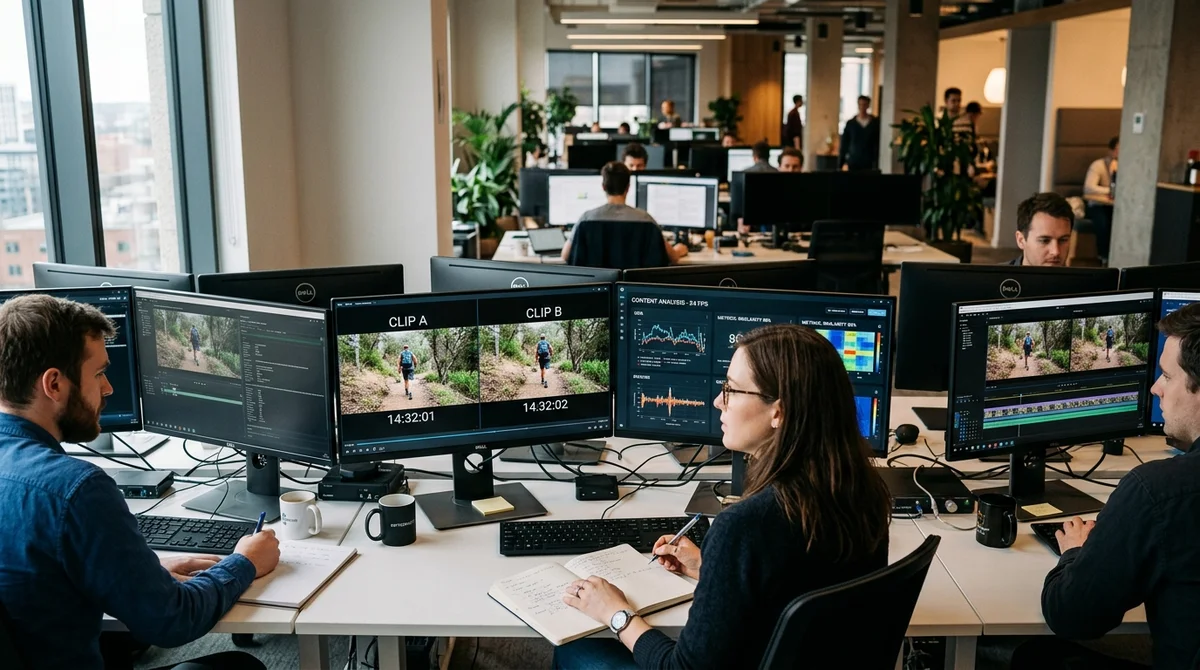
Three of the largest AI models — Gemini from Google, ChatGPT from OpenAI, and Claude from Anthropic — can analyze video. But which one handles this best? Through testing on YouTube clips and local files, a clear leader emerged.
How the test was conducted
The idea is simple: give all three models the same videos and see who understands the content better. The author used a diverse range of video content — from popular YouTube clips to personal recordings from disk, shot under different lighting conditions and quality levels. Each model was asked the same questions about the videos: what's happening on screen, who is doing what, what details are visible, what is the meaning of what's occurring.
Not just 'describe the video,' but specific questions like 'How many people are in the frame?', 'What color is the clothing?', 'What is the dialogue about?
'. The main goal is not to assess the beauty of the interface, but to test real understanding of video content. How does the model handle text in video?
Can it understand context, rather than simply count objects?
Results: there is a clear leader The test results were revealing.
One model notably outperforms the others in accuracy, speed of analysis, and contextual understanding. It didn't just list what it sees, but truly grasped the essence of what was happening and picked out important details that the others missed or misinterpreted. The differences are visible in every parameter: Processes video faster More accurately recognizes text on screen Better understands complex scene context Less likely to invent details that aren't in the video ## Where models stumble But here's the caveat: all three models are far from ideal video analysis.
Even the test leader can make mistakes on fast-moving objects, unclear video, or specific content — technical diagrams, documents, low-quality video. Text in video remains a difficult task for all three. They often confuse letters, skip words, misread text.
Errors happen especially often with small text, unusual camera angles, or non-standard fonts. Furthermore, the test was conducted at a specific point in time (likely early 2024 or 2025), and all three models are constantly improving. New versions could change the results.
What is true today may be false in a month.
What this means If you need to analyze video content with AI, the choice of model matters.
The test showed that one of the three clearly performs better and will be more useful for real workflows — from analyzing video recordings to computing details. However, remember: even the best of the three is still a developing technology. Video analysis remains a field with potential for errors. Use the results as a guide, but test the models yourself on your own videos before choosing.