SMIC chief: AI boom will drive profits even without advanced process nodes
SMIC's founder believes Chinese chipmakers will profit from the AI wave despite sanctions and restricted access to advanced equipment. Demand for 7 nm-and-above
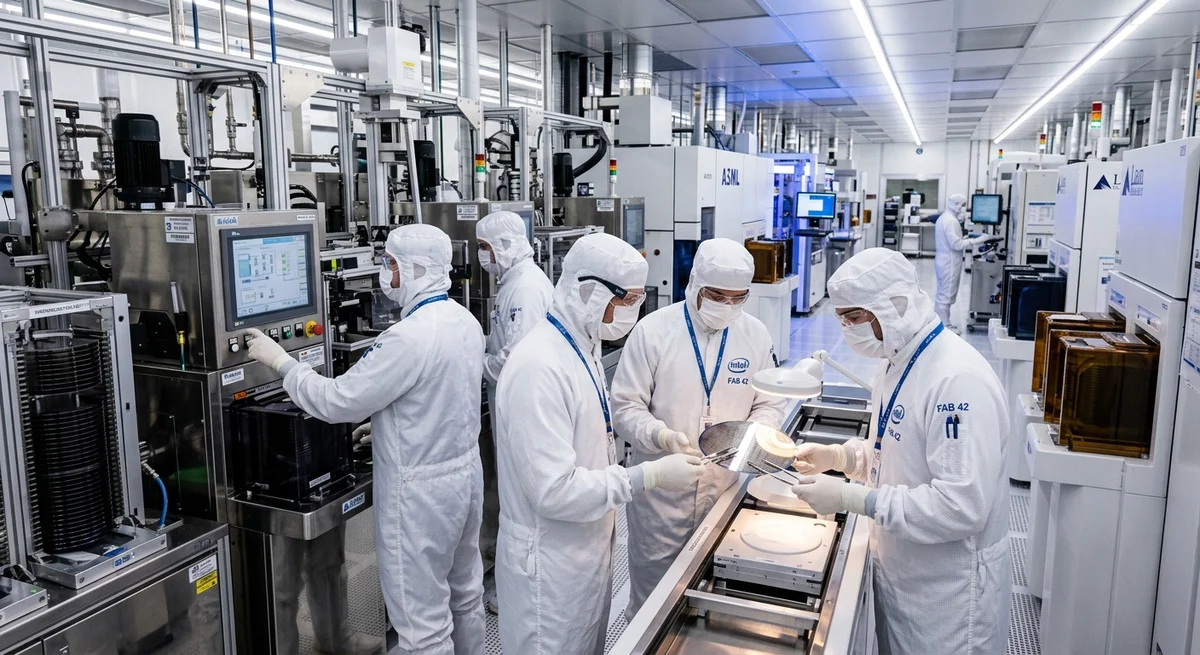
SMIC's founder expressed confidence that the company and other Chinese chipmakers will be able to capitalize on the artificial intelligence boom despite US sanctions and technological restrictions.
How sanctions cornered SMIC
SMIC is China's largest contract semiconductor manufacturer and has been under American sanctions for more than two decades. The restrictions prohibited the company from purchasing equipment to manufacture chips using the most advanced technology (thinner than 7 nanometers). This is critical in the context of global microelectronics competition, where advanced manufacturing processes are considered the key to competitiveness and the highest margins. It might seem that SMIC should have retreated. But the founder sees the situation differently: the restrictions are indeed serious, but they do not completely shut down the company; instead, they change the game rules.
Demand for "yesterday's" technologies is growing
Here's the key point: not all AI applications require the most advanced chips. Yes, flagship GPUs for model training are needed at the cutting edge. But a huge segment of AI applications — model inference at the network edge, video analysis on-site, data stream processing, IoT device management — work well on 14 and 28 nanometer technology chips and even older. Demand for such chips is growing precisely because AI is moving beyond data centers into the real world. Applications are needed everywhere: in cars, cameras, robots, sensor devices. SMIC can produce exactly such chips without any restrictions:
- Edge computing and IoT processors
- Power management and power control circuits for AI systems
- General-purpose processors and reduced GPU versions for local inference
- Components for communication and network devices
- Specialized chips for various industries (medicine, industry, automobiles)
SMIC plays on volume and reliability
The company's founder emphasized: even with technological constraints, SMIC remains competitive because there is demand and it can produce. High volume demand plus production capability equals reliable revenue. The company is focused on optimizing quality and costs on available technologies to maximize margins in the niche where it can operate.
"We see huge demand for mid-range chips and see that we can meet it.
This means we will remain profitable," SMIC's position states.
This strategy is not new: earning on scale and reliability rather than chasing the most advanced. But in the context of the AI boom, this approach looks even more attractive.
What this means
The AI boom creates opportunities even for companies outside the leading technological edge. SMIC is betting on this logic: demand is growing, they can produce, therefore they will be profitable. For the global market, this means that advanced technologies and older manufacturing processes will coexist for a long time. Innovation in AI will develop on chips of different generations.