AI Memory Shortage Splits the Chip Market Into Leaders and Laggards
A shortage of memory chips amid the race around AI is creating a sharp divide in corporate performance and stock prices. Companies that managed to secure memory
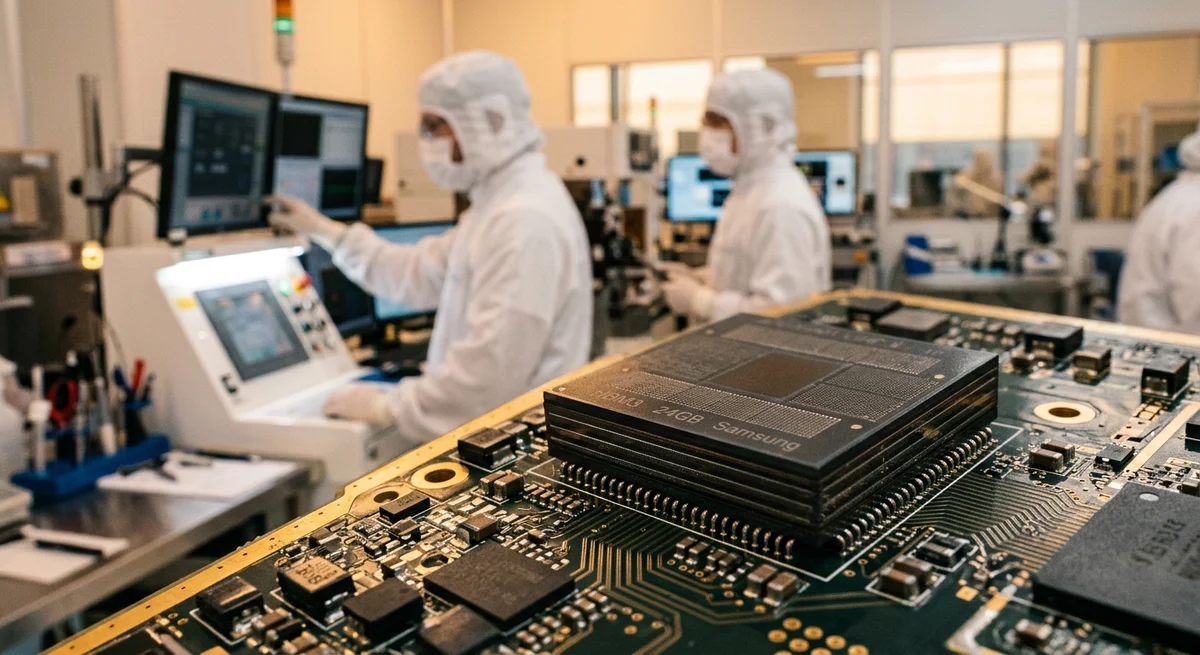
Memory chip shortage — one of the main bottlenecks in the AI ecosystem. Shortage of HBM (High Bandwidth Memory) and other memory types critical for neural network training creates extremely uneven distribution of capabilities between companies. Those who managed to establish supplies grow rapidly. Others stall in development.
Who wins, who loses
Market dynamics are diverging sharply. Large players like NVIDIA, who control access to memory and chips, are strengthening their position. Cloud providers (AWS, Google Cloud, Azure) with good supply contracts can offer AI services to customers. But mid-sized companies that failed to negotiate long-term agreements are beginning to fall behind in development. The price of memory chips is rising. This is especially painful for startups and companies not in the top-5 consumers. They either have to search for alternatives (less powerful chips, homemade solutions) or postpone projects. Shares of those who are secure are rising. Shares of others are falling.
Scale of demand and shortage
Demand for memory went off the charts with the release of GPT-4, Claude 3, Gemini 2.0, and a wave of open-source models. Each new generation of neural networks requires more computing and, consequently, more memory bandwidth. HBM production is not keeping up. Analysts see the shortage lasting at least one to two years. Investments in expanding production are being made, but factories launch not in months but in years. This means that short-term market stratification is inevitable.
Consequences for the tech market
Memory shortage creates a cascading effect:
- Stratification by capital size — big tech and cloud giants win, others lose
- Rising prices for AI services — cloud providers raise tariffs because memory is scarce
- Project freezes — startups postpone development, wait for price drops
- Investments go to "winners" — venture funds invest in companies already secured with memory
- Negotiation power concentrates — memory manufacturers and NVIDIA dictate terms
What this means
The AI market is not just growing — it's stratifying into two castes: those with access to memory and computing, and those without. This creates a "closed club" mode for 1-2 years, until production normalizes. Startups need to find alternative paths now (local models, cloud partnerships) to avoid being left with nothing in development.