Matt Keightley launched an AI assistant for garden design and angered colleagues
A scandal has erupted among gardeners at the prestigious Chelsea Flower Show in London. Renowned designer Matt Keightley, who created landscapes for Prince Harr
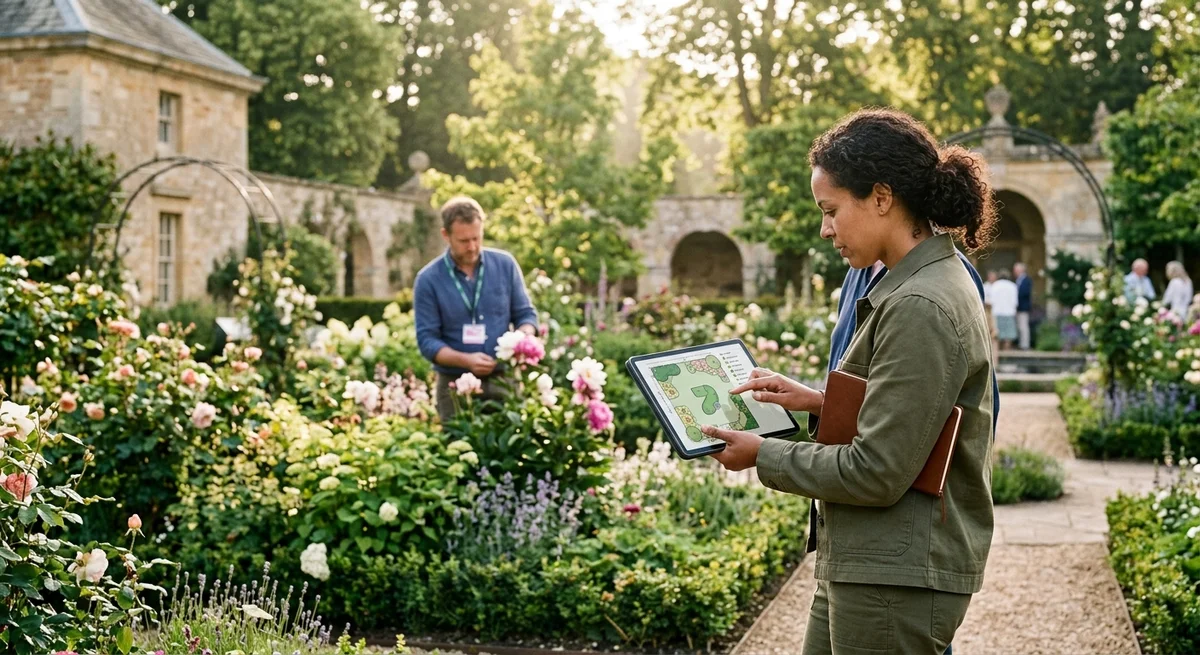
At the Chelsea Flower Show, one of Britain's most prestigious horticultural events, a conflict has erupted between designers. The culprit — AI in the hands of renowned gardener Matt Keightley, who has created gardens for members of the royal family.
When a Designer Meets an Algorithm
Matt Keightley is a legendary figure in the world of landscape design. His portfolio features projects for princes and billionaires, and his work has won at the best exhibitions. At the Chelsea Flower Show, set to take place on the grounds of the Royal Hospital Chelsea in London next week, he plans to showcase a project created with the help of artificial intelligence.
The designer has launched his own application, which can automate the process of creating garden compositions. The algorithm analyzes climate conditions, soil type, lighting levels, available budget, and the owner's aesthetic preferences — and based on this data, produces a ready-made design plan. The system offers a selection of plants, their placement, pathways, and infrastructure elements.
For Keightley, this is a way to scale his work and make the high art of gardening more accessible. Instead of a multi-month process of personal consultation, a plan is ready in hours. But not everyone in the gardening community welcomes this decision.
Pruning Shears Instead of Swords
Despite the friendly atmosphere of the exhibition — with glasses of champagne among peonies — Keightley's colleagues have received his decision with evident indignation. Many renowned gardeners are expressing deep concern that AI could fundamentally change their profession. Traditionally, garden design is not merely technical calculations and two-dimensional diagrams. It is intuition honed by generations of experience, a dialogue with nature and place, a sense of the spirit of the land. Each plant is chosen by hand, its place in the composition is considered, seasonal changes and development are taken into account. By using AI, critics argue, Keightley is reducing the creative process to a cold algorithm. The main concerns of his colleagues:
- Loss of skills and craftsmanship in the next generation of designers
- Questions about authorship and originality of AI-generated projects
- Fierce competition with an algorithm that works faster and cheaper
- Risk of garden standardization — loss of uniqueness and regional characteristics
The Machine Cannot See Beauty
Opponents of AI use in design present serious arguments about the technical limitations of algorithms. Artificial intelligence works with quantitative data and existing patterns, but cannot feel the connection between place and plant, does not understand the deep symbolism of flowers in different cultures, cannot anticipate how a garden will transform over the years as trees grow, flowers spread, and the boundaries of the composition blur. Moreover, the Chelsea Flower Show is not simply an exhibition, but a competition where the jury evaluates not only the functionality of the landscape, but also its artistry, innovation, and harmony of details. Allowing AI-designed projects to participate on equal terms with authored works means changing the fundamental rules of the game.
What It Means
The conflict at the Chelsea Flower Show is a microcosm of a much larger debate about the role of AI in creative professions. Interior designers, architects, artists, writers — all face the same fundamental question. Will AI be merely a tool that helps a master realize his vision, or will it gradually begin to replace craftsmanship itself? The answer will become clear when the Chelsea Flower Show jury announces the results and settles the question of whether a garden designed by a machine has the right to a gold medal.