Japanese megabanks to gain access to Claude Mythos for finding vulnerabilities
Japan’s three largest banks — MUFG, Mizuho, and SMFG — will gain access to Claude Mythos, Anthropic’s AI model for finding vulnerabilities in code. They will be
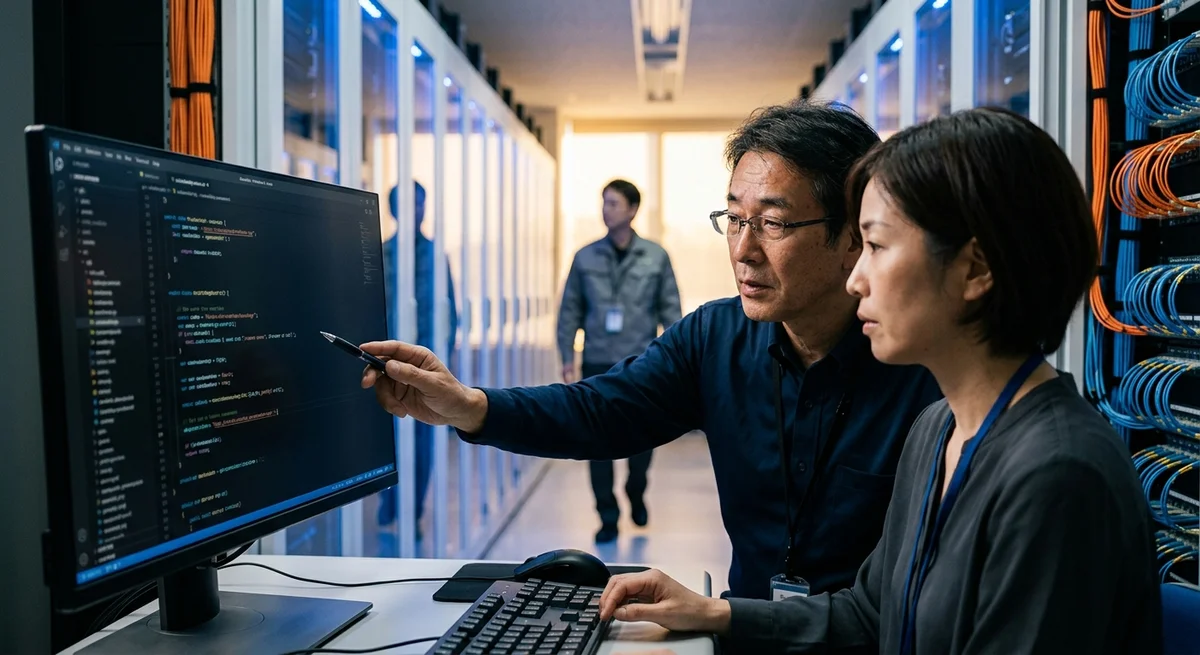
Three major Japanese banks — MUFG, Mizuho, and SMFG — will gain access to Claude Mythos, Anthropic's secure AI model for finding code vulnerabilities. They will become the first Japanese financial institutions in Project Glasswing, Anthropic's controlled pilot program.
What Is Claude Mythos
Claude Mythos is a specialized model from Anthropic developed specifically for security and finding code vulnerabilities. Its primary function is automated scanning of source code for potential security issues, enabling companies to identify system vulnerabilities before malicious actors find them. This is critical for financial institutions, where security is a matter of reputation, trust of millions of customers, and compliance with strict regulatory requirements. Even a single compromised system can lead to personal data breaches, financial losses, and complete destruction of a bank's reputation for years.
Project Glasswing: Selective Access
Project Glasswing is a limited program from Anthropic in which the Mythos model is tested on a select group of organizations before broader commercial release. Japanese megabanks will gain access approximately two weeks after the announcement, becoming the first Asian financial institutions in the program. The selection of these three banks is not random. These are not merely large institutions, but cornerstones of the Japanese financial system:
- MUFG (Mitsubishi UFJ Financial Group) — Japan's largest bank by assets under management, over $3 trillion
- Mizuho Financial Group — the second-largest financial conglomerate with over 400 years of history
- SMFG (Sumitomo Mitsui Financial Group) — the third player in the triumvirate, serving major corporations and government projects
Together, these banks process trillions of yen daily and require the highest level of cybersecurity. Their selection as pilot partners is recognition by Anthropic of high security standards in the Japanese financial sector.
Why Banks Need This
The financial sector is constantly under attack from cybercriminals, hackers, and state actors. Vulnerabilities in systems are not merely technical glitches; they are potential openings through which customer funds can be lost and institutional reputation compromised. Claude Mythos allows banks to scale security audits without hiring massive teams of penetration testers for each system. Automated vulnerability detection is particularly useful for legacy code — older systems present in every major bank but rarely updated due to the risk of disrupting operational processes. A specialized model trained specifically on vulnerability discovery tasks delivers higher accuracy than general-purpose solutions. This means fewer false positives and more actionable intelligence for security engineers, who can focus on real issues.
What This Means
The decision of Japanese megabanks to use Claude Mythos signals the emergence of specialized AI security models from the expert niche to mainstream adoption by major corporations. The financial sector is known for its conservative approach to new technologies, so the choice of Japan's largest banks carries symbolic weight. This builds confidence in the solution and creates momentum for other financial institutions worldwide. Soon, other megabanks in the United States, Europe, and Asia may request access to similar tools.