Stratos data center sparks controversy: Utah approves project larger than Manhattan
Utah approved the construction of Stratos — one of the largest AI data centers in the world. Size: 62 square miles (larger than Manhattan). The project will con
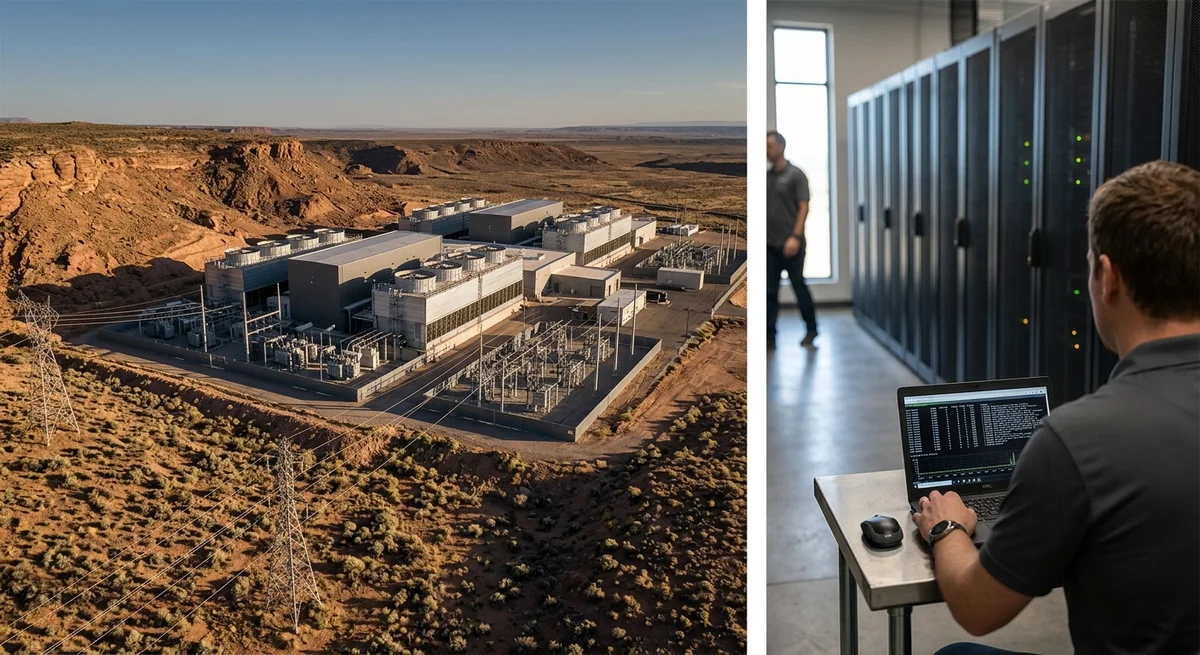
Utah has officially approved the construction of the Stratos data center — one of the world's largest AI centers, despite fierce criticism over energy and water risks to the state.
Project Scale
Stratos will occupy an area of more than 40,000 acres (62 square miles) in Box Elder County in northwestern Utah. For comparison — this is larger than the area of Manhattan. The center will consist of three separate facilities, each of which represents a large-scale computing complex of the highest capacity.
Energy Crisis
Here's an incredible figure: the Stratos center will consume about 9 gigawatts of electricity. The entire state of Utah currently consumes less electricity than this single data center requires. Such demand will create enormous pressure on the state's power grid:
- Consumption 9 times higher than current consumption of the entire state
- Need to build new power generation capacity and connections
- Risk of rising electricity prices for households and small businesses
- Dependence on new sources of energy generation
Water Crisis in the Desert
The second problem is water. Utah has been experiencing severe drought for several years. Lakes and reservoirs are operating at historically low levels. The Stratos data center will consume a significant volume of water for server cooling. This will worsen the situation in a region where water is already a scarce resource.
"This is an irresponsible decision for a region that already suffers from water shortages," say local activists and environmental advocates.
The public is concerned that the private interests of the AI industry are being placed above the welfare of millions of state residents.
What This Means
The approval of Stratos demonstrates the power of AI lobbying in the United States: the economic interests of the tech industry often outweigh ecological and resource risks. For Utah, this could mean short-term economic growth, but long-term problems with energy and water will remain the state's burden.