Kenya suspends construction of Microsoft's data center over energy crisis
Microsoft suspended construction of a $1 billion AI data center in Kenya. President William Ruto said the facility requires so much electricity that it would le
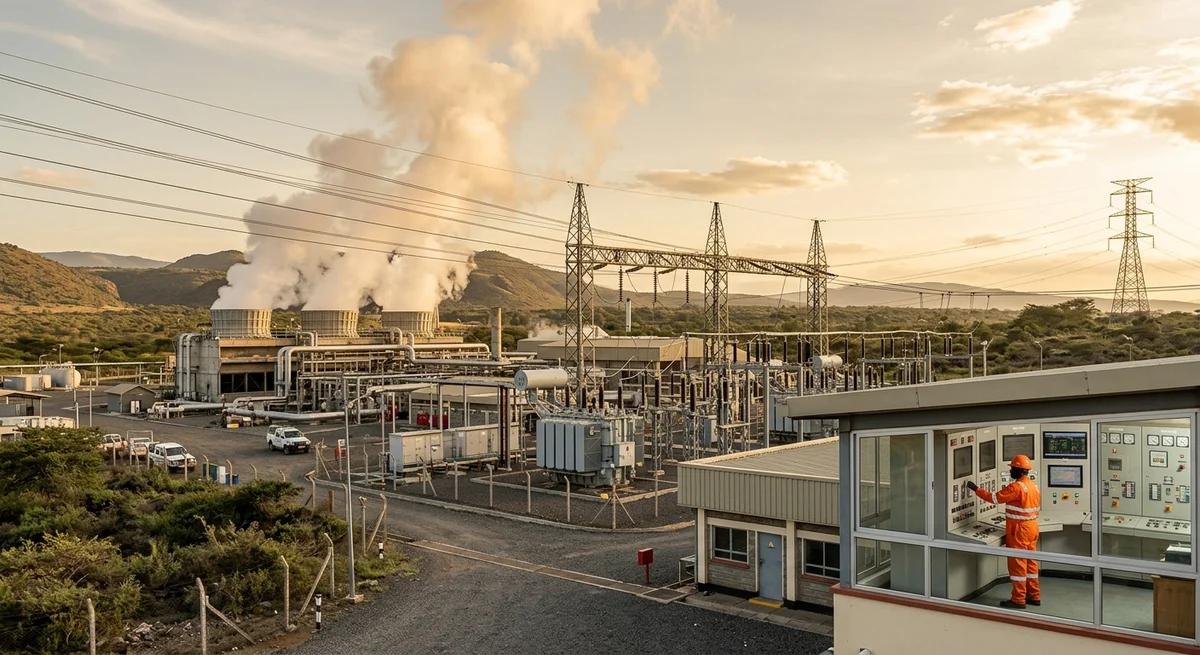
Microsoft has postponed construction of Africa's largest artificial intelligence data center in Kenya, valued at $1 billion. President William Ruto announced the project freeze, citing the critical strain the facility would place on the nation's energy infrastructure.
What the project required
Microsoft's plans for construction in Kenya have been under discussion since 2023. The project was designed to deploy one of the continent's largest AI data centers, with potential capacity for thousands of high-performance servers. The first phase of construction alone required the output of the country's largest geothermal power plant — Hellfire/Hell's Gate.
This would have meant complete redirection of the electricity generated by the station to serve the data center's operational needs. According to President Ruto's assessment, such a facility could cut off electricity to half the country's population. Modern AI servers require enormous volumes of electricity: high-performance GPUs operate at full capacity around the clock, consuming 350–700 watts each.
Cooling systems require an additional 30–50% of the energy consumed by the chips themselves.
Why Kenya cannot afford this
Kenya is a developing economy where access to electricity remains one of the most acute problems. Only two-thirds of the population have connections to the electrical grid. Electricity production already fails to meet growing demand, especially during peak hours. Power outages are a regular reality in the capital and major cities. Transferring all resources from the country's largest power station to a single data center would mean complete degradation of the nation's basic infrastructure. Small and medium businesses, hospitals, and schools would compete for scraps of remaining capacity. The consequences would be catastrophic:
- Power outages in medical facilities and emergency services
- Shutdown of water supply systems (pumps require constant electricity)
- Inability to develop local business and industry
- Mass exodus of workers to neighboring countries with more stable energy systems
What this means
The project's closure signals a collision between two contradictory trends. On one hand, developed countries and large corporations are relocating AI infrastructure to regions with cheap electricity — Kenya, Morocco, Iceland, Indonesia. On the other hand, local economies simply cannot afford to give all available energy to a single facility, sacrificing development of the rest of the country. This is the first truly significant refusal of a major AI project due to energy constraints. Likely, there will be even more such conflicts in the coming years.