African giant Jumia cuts workforce by 10% amid AI rollout
Jumia Technologies, Africa's largest e-commerce platform, has announced plans to deploy AI and cut its workforce by 10% — about 200 of its 2,000 employees. CEO
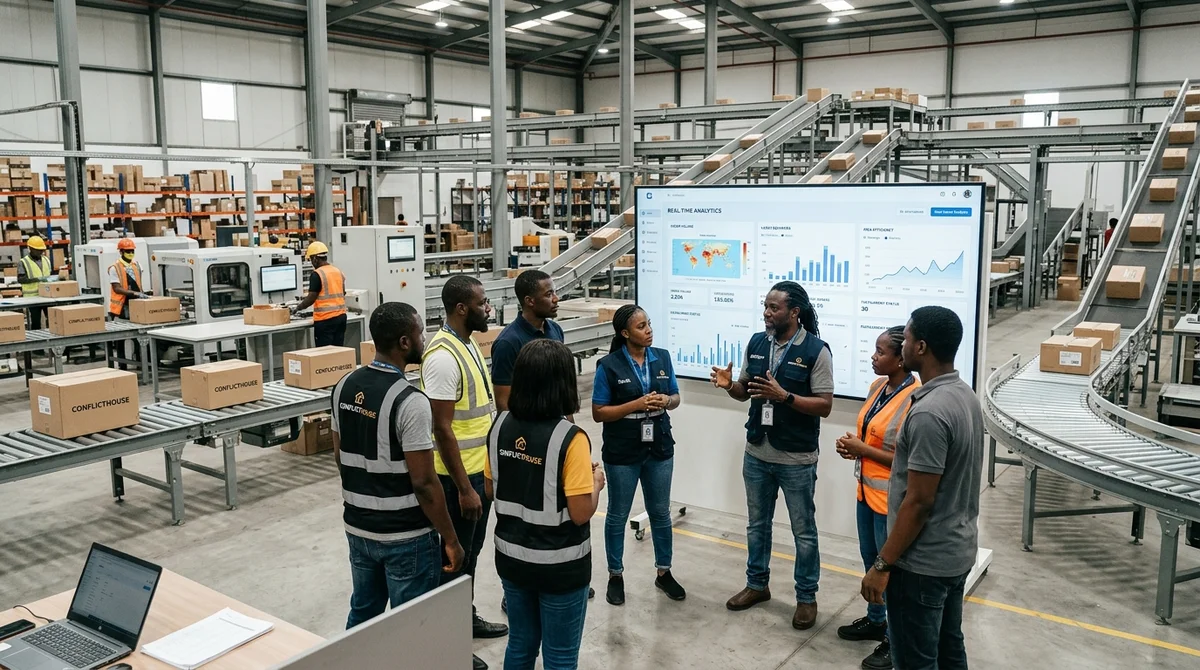
Jumia Technologies AG announced plans to cut 10% of its workforce (approximately 200 out of 2,000 employees) as part of a large-scale implementation of artificial intelligence across all company divisions. The company's CEO Francis Dufay disclosed this in an interview.
Why Jumia is rushing with AI
Jumia Technologies is the largest e-commerce platform in Africa, with services operating in more than 10 countries across the region. In recent years, the company's revenue has grown thanks to market expansion, but competition on the continent is intensifying: global giants like Amazon and Alibaba are entering the African market, while local startups are improving their technology and expanding geographically. Dufay explained that without aggressive AI implementation, Jumia will not be able to scale at the required pace and maintain its leadership position.
This is not about innovation trends, but about survival: in a rapidly changing market, a company either automates or loses market share. In his view, AI will simultaneously allow the company to reduce operating costs, improve user experience, and make pricing strategy more flexible. This is a combination that competitors without AI will not be able to replicate.
What AI systems will be implemented in
The implementation will affect most operational divisions:
- Logistics and courier routing (delivery optimization)
- Real-time order processing
- Personalized product recommendations for each customer
- Chatbots and automated customer support (24/7)
- Quality control in warehouse operations
- Dynamic pricing based on demand
AI systems will be able to work around the clock without holidays and fatigue, which is especially critical for growing African markets, where automation can give the company a 5-10% profit advantage.
Retraining instead of full layoffs
Jumia is not just cutting staff — the company announced a retraining program for the remaining 1,800 employees. Those whose roles will be automated (for example, call center operators, warehouse staff) will be able to move to positions such as data analyst, AI project manager, or algorithm audit specialist. However, history shows that not all such programs work perfectly. Retraining requires time and motivation, and many prefer to find jobs at other companies rather than retrain.
What this means for Africa
Jumia is one of the most technologically advanced businesses on the continent, so its decision to implement AI serves as a signal to other companies. If Africa's e-commerce leader sees AI as a necessity (rather than an option), it means the technology is transitioning from experiments to standard operations. This is a positive sign: Africa gains access to modern tools and can compete globally. At the same time, this creates pressure on the labor market and requires people to quickly adapt to new skills.