Workforce shortage threatens the revival of the US chip industry
SEMI leader Shari Liss told Bloomberg that the US faces a severe shortage of qualified engineers in chip manufacturing. The issue has become more acute as the c
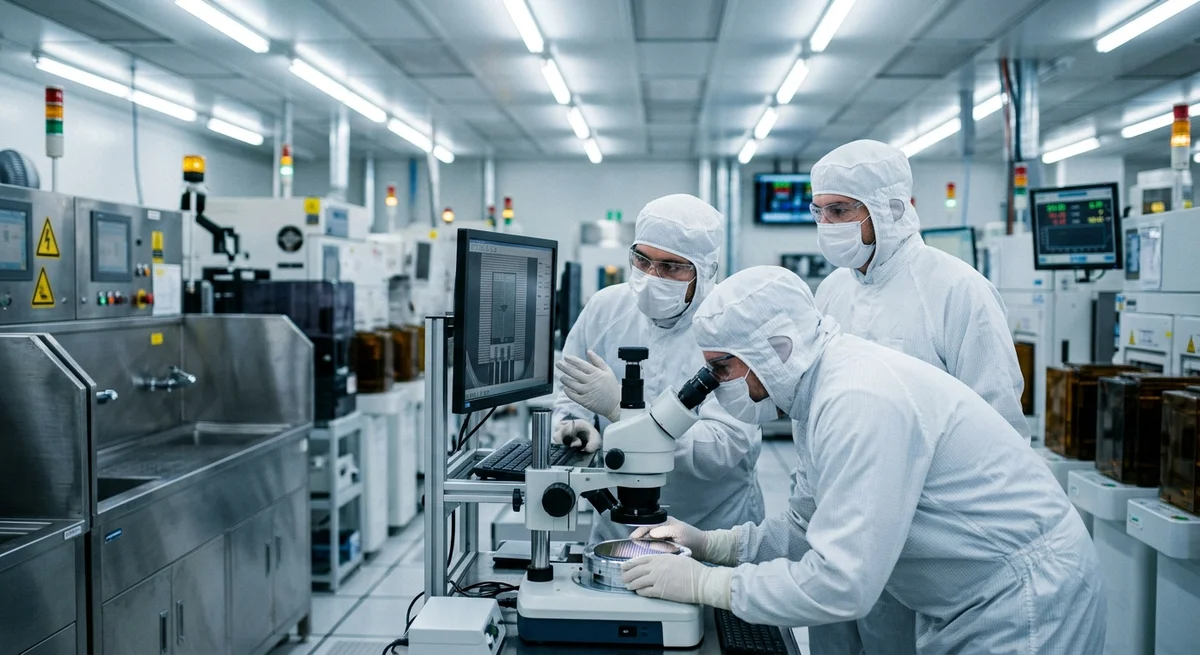
After the Trump and Xi meeting in Beijing, all attention focused on export restrictions and diplomacy. But the real barrier to American chip industry recovery turned out to be something entirely different — a severe shortage of qualified specialists.
What was discussed at the summit
At the two-day meeting in Beijing, President Trump raised issues of protecting the American chip industry and guarantees for AI development. The key point — export restrictions on advanced Nvidia H200 chips and other cutting-edge semiconductors. The United States has been limiting supplies of advanced chips to China for several years, trying to slow the development of China's AI industry and protect its own technological advantage. These negotiations are critical for American strategy: without them, Beijing can more easily access needed components through third countries. But there's a paradox — even if the negotiations go successfully, the US cannot physically ramp up production quickly.
The main problem: acute talent shortage
According to Shari Liss, Vice President of SEMI (Semiconductor Industry Association), responsible for workforce development in the industry, the American chip industry faces a critical shortage of specialists. This is not just a staffing issue — it's a threat to the entire production recovery strategy. Specialists are needed in:
- Engineering and design of semiconductor processes
- Operations and management of fab production (fabrication)
- Development of chip manufacturing equipment
- Technical maintenance and automation systems
- Quality control and production data analysis
Shari Liss emphasized that the problem became acute precisely now, when the US is trying to implement ambitious CHIPS Act plans — a law that allocated tens of billions of dollars for restoring domestic semiconductor production.
Why this is becoming a national problem
Without personnel, money and plans become just numbers on paper. A fab engineer, a person who understands the entire chip production cycle and can optimize processes, is a rare specialist. They cannot be hired in a month, and training from scratch takes only several years. The US can get diplomatic concessions, can ban exports, but without an influx of young engineers and technologists, the industry simply won't grow at the required pace. Competitive advantage turns into a capacity shortage.
What this means
Talent deficit in the semiconductor industry may turn out to be the main bottleneck — more than export restrictions or diplomatic disagreements. The US needs not just bans and negotiations, but a long-term strategy for training specialists, attracting engineer migration, and creating educational programs directly in colleges and universities.