AI music has flooded streaming services, but few people listen to it
AI music generators have flooded streaming platforms. What began with experiments by musicians like Taryn Southern has now turned into mass content. But the que
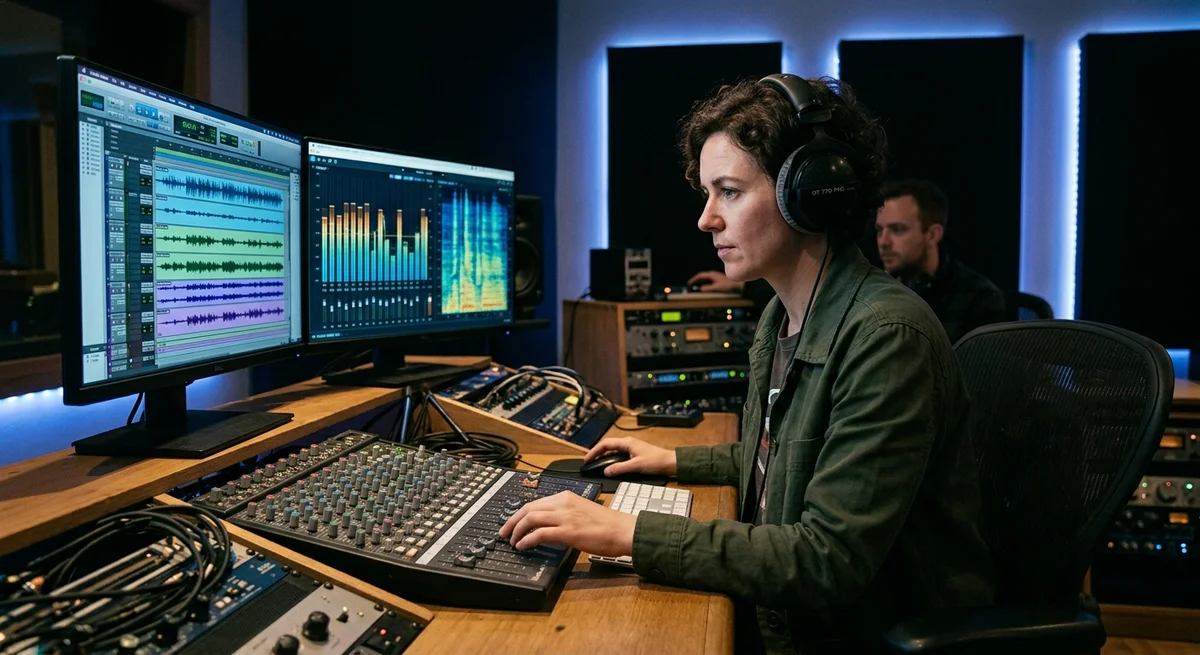
Generative AI is beginning to flood music streaming services, but the question remains open: who actually needs this music?
2018 Experiments
The use of AI in pop music began as an honest experiment. In 2018, singer Taryn Southern released the album I AM AI, created with tools from Google Magenta. A year later, electronic musician Holly Herndon shared her experience in the album Proto. At that time, these were artists' attempts to explore the boundaries of new technologies, not a way to make money. Musicians published articles, gave interviews, explained how they used AI as a tool, not a replacement for themselves.
The Flood Begins
Let's move to 2024-2025. AI music is no longer rare — it literally fills Spotify, Apple Music, YouTube Music. Thousands of new tracks hit the platforms every day. Tools like AIVA, Suno, MuseNet have become accessible to everyone: aspiring composers, marketers looking for cheap soundtracks, even YouTube content creators. The result: streaming services have turned into a dump, where it's hard to find quality content amid the machine noise. Spotify and Apple already complain about moderation, and independent musicians say they're being displaced by cheap AI compositions.
Demand Does Not Match Supply
Here an interesting paradox begins. On the one hand, AI music is perfect for utilitarian tasks. Background playlists, meditation, concentration, background music in medical videos — in all these places synthetic sound works well. Companies get content without royalties, platforms get more data. On the other hand, listeners are not in a hurry to love this music:
- Quality often falls short of original compositions
- There is no history and personal voice behind the track
- AI music sounds the same, without individuality
- Listeners actively prefer music from real artists
- Low ratings and rare repeat listens
It turns out there's a paradox: plenty of AI music, but no demand.
What This Means
The streaming revolution has shown one important thing: technology does not guarantee demand. AI can write music, but it cannot create the emotion that makes you want to return to a song. Perhaps AI music will remain a tool for background and utilitarian tasks, but will not take the place of original artists. The story of a gimmick that became a problem — this is a lesson about the limits of automation in art.