AI toys for children: why they have alarmed lawmakers and parents
Demand for AI companions is growing in the children's toy market: interactive pets, smart dolls, and talking plush animals. They learn on the fly, remember a ch
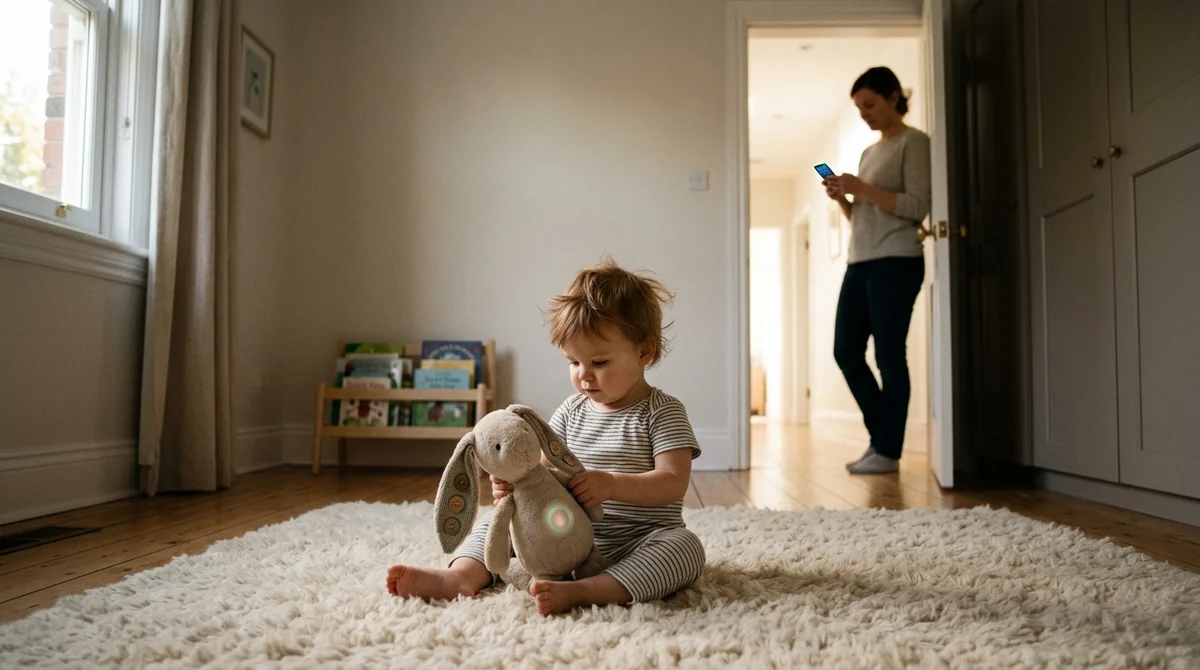
A new class of products is being created in the children's goods market — toys equipped with artificial intelligence. These are not just plush animals or dolls, but full-fledged AI companions that listen to the child, learn their preferences, and develop alongside them, adapting to their voice, interests, even their mood.
How Interactive AI Pets Work
Miniature neural network models for natural language processing (NLP) are embedded in the soft body of plush animals. They do not simply reproduce recorded phrases — they analyze and remember every word the child speaks, their name, favorite fairy tales, food preferences, even the speed and style of their learning. Over time, each toy becomes a personal companion: repeats the child's intonations, makes up jokes in their style, imitates emotional attachment and empathy. Modern models are connected to cloud servers and offer extended functionality:
- Generate unique stories, adapted by age, gender, even by the child's psychological type
- Help with homework, educational games, and logic puzzles
- Track patterns in speech development, emotional development, and cognitive abilities
- Send parents detailed daily reports about the child's "progress"
- Recommend additional educational content and developmental exercises
Why Lawmakers Are Concerned
The main risk lies not in the technology itself, but in the scale and purpose of data collection. Every word a child speaks, every tap, every emotional reaction is recorded, analyzed, and stored in the cloud. This is confidential information about psychological development, traditionally entrusted only to doctors, educators, and parents.
Now it goes to the servers of private companies, and no one knows how this data will be used, re-indexed, or even sold in the future. The second problem is even deeper and concerns developmental psychology. An AI companion is always available, always responsive, never gets tired, never gets irritated, never refuses the child.
For a developing person, this may be more attractive and "easier" than communication with real people, who have their own needs and boundaries. Child psychologists are already expressing concern about the risk of substituting real human relationships with simulated ones.
"These toys do not simply entertain children.
They collect deep data about the formation of your child's personality, and we do not know how this data will be used in the future. This is a threat to the privacy of a developing child," said Senator Richard Blumenthal at hearings in the Senate Consumer Protection Committee.
First Legislative Attempts
Several U.S. states are already preparing the first legislative bills. They require:
- Clear and understandable designation on the package that the toy uses AI and collects personal data
- Impossibility of automatic data collection — only with written parental consent
- Right of any parent to completely delete all of their child's data from the system at any time
- Mandatory regular security audits and protection against cyber attacks
- Prohibition on resale, exchange, or combination of children's data between companies
The European Union is preparing even stricter standards as part of its AI legislation (AI Act). It appears that children's toys and applications will be classified as "high-risk" systems.
What This Means
The industry stands at a critical crossroads between innovation and the need for regulation. AI companions for children are not a temporary trend, but the next wave in entertainment and educational industry. But without clear rules, the market risks remaining a "wild west," where companies compete in the volume and depth of data collected, rather than in the quality and safety of the child. The first legislative attempts are an attempt to set a legal fence before the technology fully captures children's bedrooms around the world.