Apple tests smart glasses in four styles with oval cameras and sticks to plans for a foldable iPhone
Apple is testing at least four versions of AI glasses without a built-in display, ranging from rectangular to oval frames, with cameras, microphones and…
AI-processed from Bloomberg Tech; edited by Hamidun News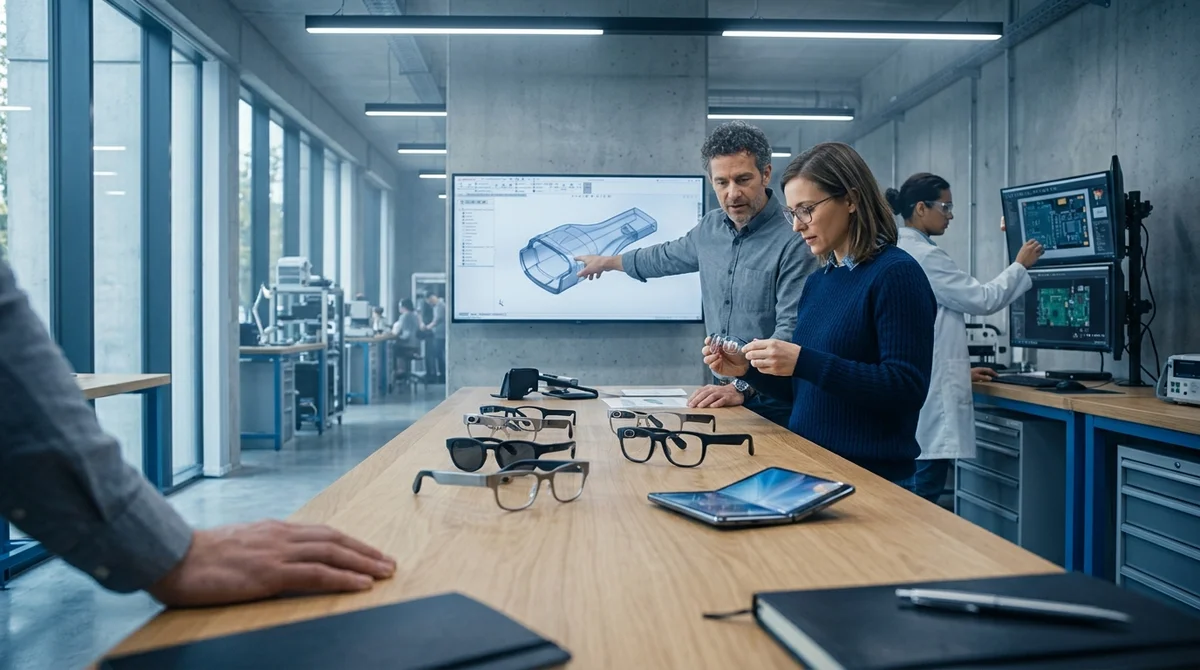
Apple is preparing its first smart glasses without a display, which should compete with Ray-Ban Meta. The company is testing multiple frame variants simultaneously and is not abandoning its autumn plan to launch the first foldable iPhone.
What glasses is Apple preparing
According to current data, Apple is checking at least four external design variants: a large rectangular frame in the spirit of Wayfarer, a thinner rectangular model, large oval or round glasses, and a more compact oval version. The company apparently wants to make the product not just a gadget, but a noticeable accessory, like Apple Watch or AirPods once were. Not only the shape but also the material of the frame is being tested: instead of regular plastic, the company is leaning toward acetate, which is more commonly used in more expensive models.
This is not yet about full-fledged AR glasses. Built-in displays are not expected in the first models: the bet is placed on cameras, microphones, speakers, and AI functions. A separate detail — an oval vertical camera module with indicators around it. Such a design should both distinguish the device from competitors and show those around that recording is taking place.
If the schedule doesn't change, the device could be shown in late 2026, with sales expected in 2027.
- Photo and video shooting
- Calls and music listening
- Voice control via Siri
- Route suggestions and notifications
- Visual AI functions based on what the user sees
Betting on the ecosystem
If the current configuration is maintained, the glasses will be more of an iPhone accessory than a standalone computer. This makes sense for Apple: it's easier for the company to integrate a new device into the already existing bundle of iPhone, AirPods and Watch than to immediately launch expensive and technically complex AR glasses.
After the mixed reaction to Vision Pro, such a more down-to-earth scenario looks safer and commercially more understandable for Apple.
Inside Apple, such a product wants to be made "instantly recognizable".
Against this backdrop, it is especially noticeable that the device's success will depend heavily not only on hardware but also on the quality of Siri and visual AI scenarios. Here Apple has a weak point: the direction is going through a protracted restructuring. Former AI head John Giannandrea is finally leaving the company in mid-April 2026, and his previous areas of responsibility have already been redistributed among several top managers. For Apple, this means that smart glasses will become not only a new accessory, but also a test of whether the company can quickly turn Apple Intelligence from a promise into a working user product.
What about the foldable iPhone
In parallel, Apple is maintaining course on its first foldable iPhone. Despite reports of possible engineering difficulties and rumors of delays, the current plan still points to a debut in September 2026 — roughly the same period when the company typically showcases the next generation of iPhone. This is an important signal: Apple is not going to wait indefinitely for perfect technology and wants to enter a category where Samsung and Chinese brands have long felt confident.
That said, compromises haven't gone anywhere. Due to construction complexity, first batches may be limited, and the device will certainly be expensive and not mass-market at first. However, Apple, according to available data, has made progress on two of the segment's most painful points: screen quality and durability. There are separate reports that the company has managed to reduce the visibility of the crease on the unfolded display. Completely eliminating it probably won't be possible yet, but even a partial solution will already be a strong argument against competitors.
What does this mean
Apple is simultaneously bringing two devices to market that should prove one thing: the company still knows how to enter already existing categories late, but with the expectation of scale. If the glasses really do become a convenient AI accessory for iPhone, and the foldable iPhone launches without obvious compromises on screen and reliability, 2026–2027 could become a relaunch of Apple's entire consumer AI lineup.
Want to stop reading about AI and start using it?
AI News is a curated feed of AI/tech news. Hamidun Academy teaches you to use AI systematically in your work.