US utilities prepare $1.4 trillion in investments by 2030 amid AI data center boom
US utilities are set to direct $1.4 trillion in capital spending by 2030—twice as much as in the previous decade. The main driver of demand is data centers…
AI-processed from TNW; edited by Hamidun News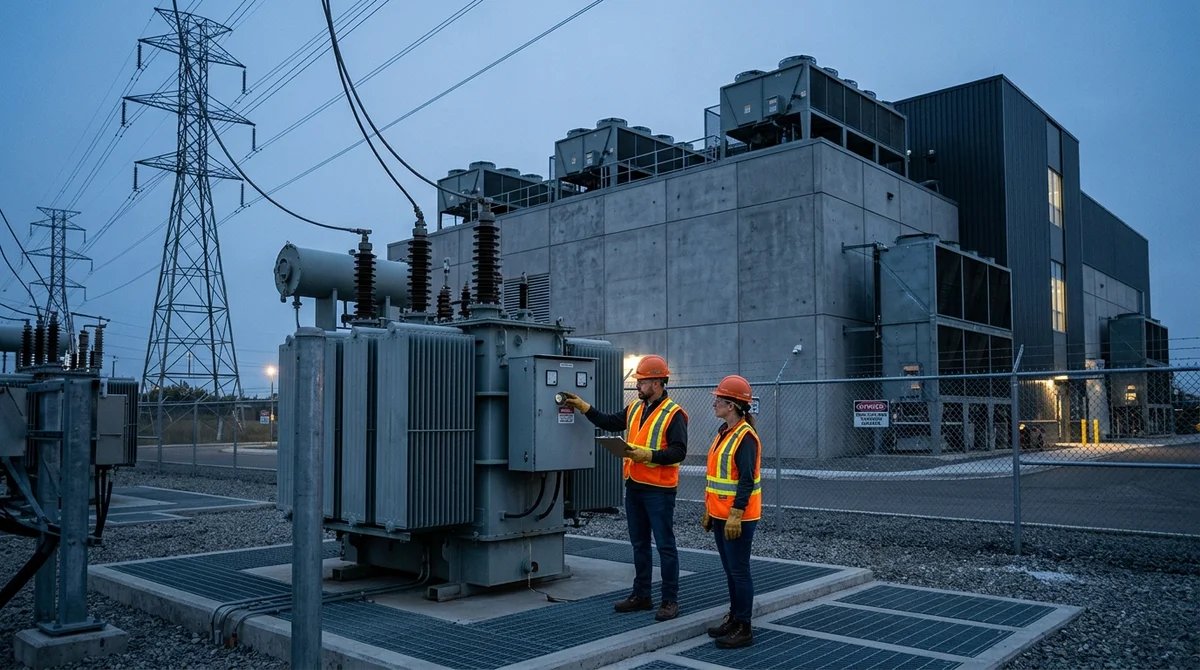
The AI boom in the US is increasingly hitting not against models, but against electricity. According to a report analyzing the plans of 51 private utility companies, the energy sector is preparing to invest $1.4 trillion by 2030 to handle the surge in demand—and data centers are creating a significant portion of this demand.
Where the Sum Came From
For American energy companies, this is an extremely large investment cycle. The $1.4 trillion figure is approximately double the investments of the previous decade, meaning this is not about point modernization but about large-scale infrastructure expansion.
Such companies are responsible for supplying energy to households and businesses, so their capital investments typically go into networks, substations, generation, and connecting new capacities. In other words, the energy system is preparing for demand that can no longer be met by cosmetic updates. It's also important to understand where this request for new capacity is coming from.
More than 30 companies specifically named data centers as one of the main growth drivers. This changes the very logic of planning: if demand previously grew relatively smoothly, now major facilities with high and almost continuous loads are at stake, which need to be connected quickly and without any reliability failures. For regions, this means revising investment plans for years to come.
Why Demand Is Growing
AI data centers are not just another type of commercial real estate. Training and maintaining models require dense computing infrastructure, which consumes a lot of energy and operates almost without pause. For energy systems, this means not only more kilowatt-hours per year, but also new requirements for connection speed, reserves, and network resilience around large technology clusters. Especially where multiple facilities are being built in parallel.
- Large data centers request new connections for tens and hundreds of megawatts.
- Load becomes more even and round-the-clock, rather than just peak.
- Networks need new substations, lines, and power reserves.
- Any delay in energy delays the rollout of AI infrastructure and service launches.
This is precisely why the AI race increasingly extends beyond software and chips. Even if tech companies have access to GPUs, they still depend on how quickly local utility companies and regulators will permit connections, construction, and upgrades. Electricity is transforming from a background service into one of the main constraints on market growth. For investors and data center operators, this is already an operational risk, not an abstract infrastructure question.
Who Will Pay for the Growth
This story also has a sensitive side for ordinary consumers. The average price of electricity for American households in 2026 is already forecasted to rise by 5.1%.
One cannot automatically attribute all tariff increases solely to AI, but the sharp jump in capital expenditures creates obvious pressure: utility companies will want to recover their investments, and regulators will have to decide how to distribute costs among tech giants, businesses, and the population right now. This opens an uncomfortable political question: who exactly should pay for the infrastructure necessary for a new technological boom. If data centers are becoming the main demand driver, it's logical to expect tougher negotiations over special rates, long-term energy contracts, and direct participation of data center operators themselves in building capacity.
Otherwise, public dissatisfaction with rising bills could quickly turn AI energy into a matter of political struggle. And this dispute is almost inevitable at both state and federal levels.
What This Means
The race for AI in the US ceases to be only a competition of models, chips, and startup investments. Now its pace is increasingly determined by transformers, power lines, and tariff decisions: whoever gets energy for data centers faster will gain the advantage.
Want to stop reading about AI and start using it?
AI News is a curated feed of AI/tech news. Hamidun Academy teaches you to use AI systematically in your work.