ChatGPT and data centers: how AI growth is accelerating energy use and pressure on water
The environmental cost of the AI boom has become a topic of its own: the data centers powering ChatGPT and other generative services are ramping up their…
AI-processed from Guardian; edited by Hamidun News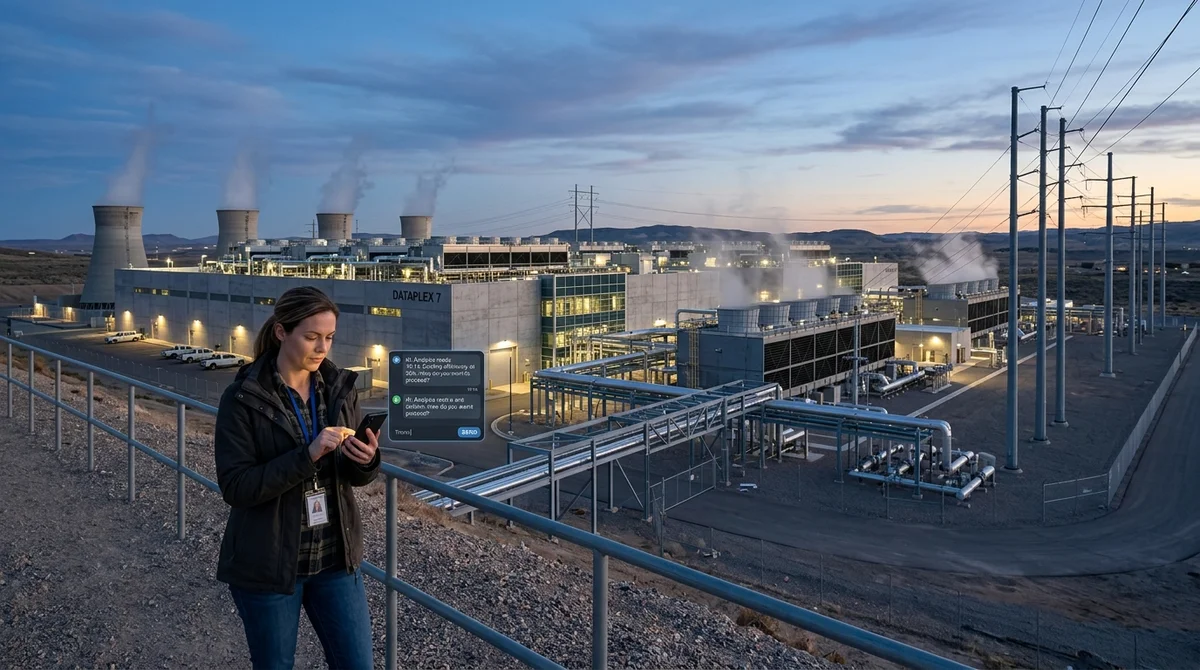
The generative AI boom is increasingly constrained not just by model quality, but by infrastructure costs. Against the backdrop of ChatGPT and other services' popularity, the number of data centers is growing, and with it—demand for electricity, water, and new power lines.
Energy and Water
According to the International Energy Agency, data center energy consumption grows more than four times faster than electricity demand in other sectors, and by 2030 could exceed Japan's current consumption. In Australia, the grid operator expects data center demand to triple within five years and by 2030 surpass the entire fleet of electric vehicles in the country. Against this backdrop, AI ceases to be a purely digital matter: each new deployment means a very real physical strain on the network.
Estimates vary, but researchers agree on one point: generative models that create text, images, and video consume significantly more energy than traditional computation. Some studies cite a fivefold increase in energy costs compared to conventional tasks, others point to differences of orders of magnitude. The problem is compounded by poor transparency: major tech companies rarely disclose in detail how much energy and water goes into model training and the daily operation of their services. Individual estimates for 2025 put CO2 emissions in the tens of millions of tons and water consumption in the hundreds of billions of liters.
Is There a Way Out
Against this backdrop, the QuitGPT movement is gaining momentum, calling for a rejection of AI services due to their links to surveillance, military projects, and growing environmental costs. But complete abandonment is becoming increasingly difficult: generative features are already embedded in office software, banking chatbots, municipal services, self-checkout registers, and even medical tools.
Experts say society is rapidly growing accustomed to AI as a background layer that is difficult to turn off with a single click.
"We still have a chance to influence how AI is actually used."
Even without a complete boycott, users can reduce unnecessary demand on infrastructure. The logic is simple: the fewer meaningless requests and heavy generations, the lighter the load on servers. This applies above all to everyday scenarios where AI saves neither significant time nor money, but merely substitutes ordinary search or manual tasks with a more expensive computational route.
For everyday use, this boils down to a few simple habits:
- Unsubscribe from AI subscriptions you don't use regularly
- Remove AI results from search if you need a regular answer
- Don't run text-to-video or image generation for minor everyday tasks
- Don't use a chatbot where a calculator, spreadsheet, or classic search would suffice
That said, there is debate even within the movement. Critics of QuitGPT note that switching users from ChatGPT to Claude or other platforms doesn't solve the fundamental problem: aggregate demand for computation remains the same. So the question gradually shifts from choosing one brand to choosing behavior. Not using AI at all is one scenario; using it less and more precisely is another. In both cases, the emphasis is on mindfulness rather than automatic adoption of whatever new features Meta, Google, and Microsoft embed.
The Cost to Regions
Data centers are not abstract clouds but enormous industrial facilities with round-the-clock lighting, cooling systems, and constant noise. When such sites are built in clusters, the burden falls not only on the power grid but also on local communities. The article mentions risks to drinking water, rising emissions, and higher electricity costs for consumers. A separate concern is the impact on neighboring areas and nature: residents increasingly encounter situations where the AI boom changes the landscape, and project discussions begin only after decisions have already been made.
Against this backdrop, environmental and energy organizations are pushing for stricter industry standards. Proposed principles include mandatory investments in new renewable sources, responsible water use, and more transparent accounting of environmental impact. The idea is that a new data center should not simply connect to the existing grid and drain resources from everyone else. If tech giants need new capacity, they should build it alongside infrastructure for water recycling and clear commitments to local residents.
What This Means
The debate around AI is shifting from interfaces to infrastructure. The main question is no longer just whether a chatbot is useful, but what bill the power grid, water, and cities pay for it. For users, this is an argument for less frequent use of generative features without necessity; for governments, it's a reason to introduce data center regulations faster, before the technological race becomes an environmental trap.
Want to stop reading about AI and start using it?
AI News is a curated feed of AI/tech news. Hamidun Academy teaches you to use AI systematically in your work.