Ringtime raises €1.8M for voice AI agents to hire blue-collar workers
Ringtime raised €1.8M in seed funding for AI agents that autonomously call candidates for manual labor jobs. The problem is classic: a candidate applies on…
AI-processed from TNW; edited by Hamidun News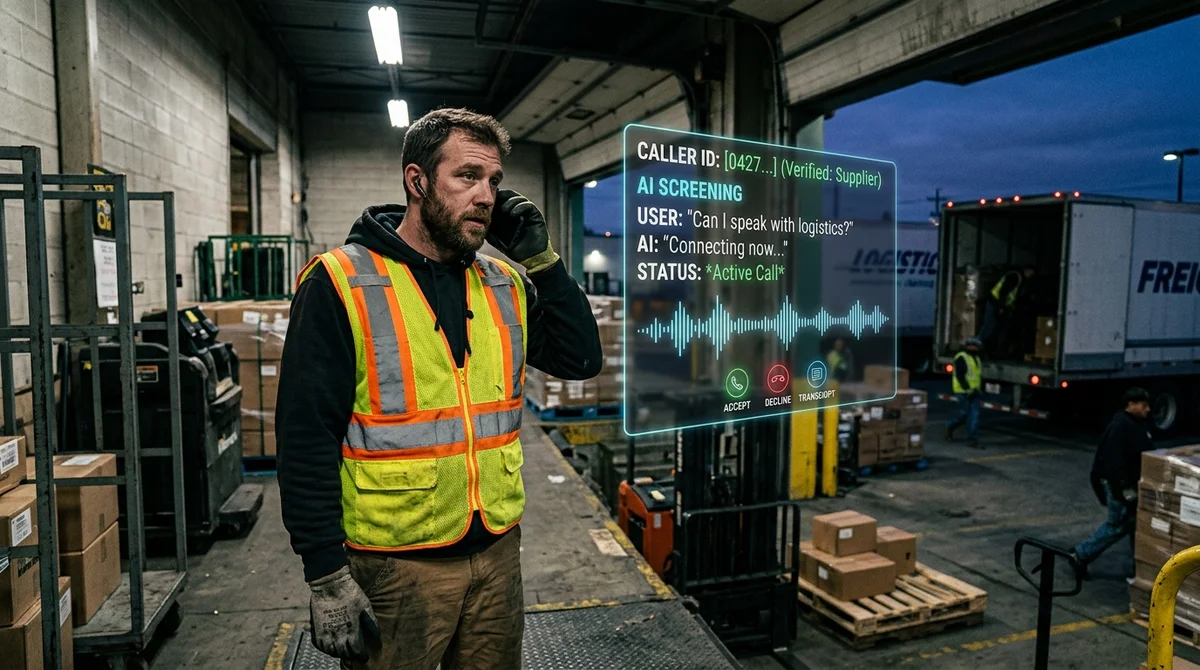
Ringtime raised €1.8 million in seed investment to develop AI agents that automatically call candidates for blue-collar jobs. The product has already found a second market — in real estate.
The Problem Everyone Knows
In blue-collar recruitment, there's a chronic failure. A candidate applying for a warehouse operator position submits an application on Monday, receives no response on Tuesday, and is already starting another job by Wednesday. The recruiter isn't deliberately stalling — they have another hundred similar applications in the queue.
The problem is structural. In sectors with high turnover — warehouse logistics, retail, construction, transport — the hiring funnel can include hundreds of candidates per month, while the HR team consists of two or three people. Each recruiter spends a significant portion of the day making calls, sending voice messages, and asking the same questions about schedule, experience, and location.
It's mechanical routine that, at the same time, critically determines hiring speed.
Voice Agent Instead of Call Center
Ringtime automates exactly this routine. Immediately after a candidate submits an application, the AI agent calls them — without delays spanning hours or days. During the call, the agent conducts initial screening by voice: clarifies alignment with key requirements, availability by schedule, and readiness to work at the required location.
If the candidate is a fit — they enter the recruiter's shortlist. If not — they receive a polite rejection. For an HR specialist, this fundamentally changes the workday: instead of calling hundreds of people, they work with a qualified shortlist.
The key difference from a traditional call center — scale without additional hiring: twenty applications or two hundred, the speed of first contact remains the same.
- Welcome call immediately after application submission
- Voice screening based on key job requirements
- Clarification of schedule, location, experience, and working conditions
- Scheduling an interview or passing data to the recruiter's ATS
- Follow-up calls if the candidate didn't answer the first time
Expansion Beyond HR
Ringtime discovered an unexpected second market — real estate. Realtors work in similar logic: lots of leads, first contact decides everything, and manual calling takes half the day. The AI agent solves the same problem — except instead of job openings, it's about properties and deals. This is a signal: the product isn't tied to one industry. Any business with a large incoming flow where first contact speed directly impacts conversion is a potential Ringtime customer. Insurance companies, banks, training centers, medical clinics — all these verticals have the same problem solved by the same tool.
"Recruiters spend hours making calls, sending voice messages, and
asking the same questions" — this is how the startup team describes the problem they aim to solve.
What This Means
A €1.8 million round is modest by European venture standards, but closing a seed round itself confirms the hypothesis. Investors believe that voice AI agents for initial contact are ready for commercial scaling. For companies with high hiring volume, this is a concrete opportunity: reduce the time from application submission to first conversation from several days to several minutes — and stop losing candidates for the most banal reason: nobody called back in time.
Want to stop reading about AI and start using it?
AI News is a curated feed of AI/tech news. Hamidun Academy teaches you to use AI systematically in your work.