Hachette pulled horror novel Shy Girl from sale after suspicions of AI use
Hachette halted the release of horror novel Shy Girl and pulled the book from sale after disputes over the possible use of generative AI. The U.S. release…
AI-processed from Guardian; edited by Hamidun News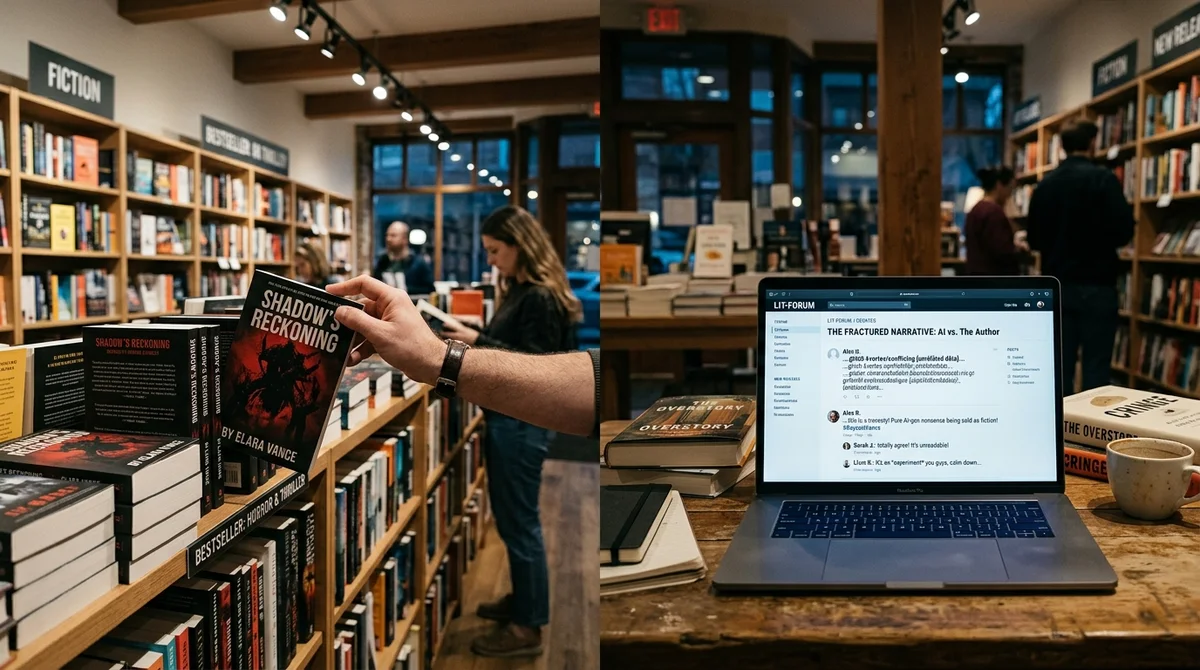
Hachette Book Group has halted the release of the horror novel Shy Girl and withdrawn it from sale following mounting suspicions that the text may have been created with significant reliance on generative AI. The US release has been cancelled, and the British edition, released in November 2025, will no longer be distributed.
What Hachette Decided
The book was scheduled for a spring 2026 release in the US under the Orbit imprint, which is part of Hachette Book Group. However, following an internal review, the publisher confirmed that publication has been stopped. In parallel, the title was removed from online retailers, including Amazon, and in the UK the novel is being withdrawn from distribution.
For the book market, this is a harsh decision: it's not a matter of delaying the release by a few weeks, but of effectively halting the project after it had already appeared on one market and landed in the catalog of a major publisher. In Britain, Shy Girl managed to sell approximately 1,800 print copies. It's not a bestseller, but neither is it an unnoticed release that went past its audience.
Hachette carefully framed its position: the company stated that it remains committed to protecting original creative expression and storytelling. Essentially, the publisher did not publicly accuse the author directly, but demonstrated that the reputational risk associated with possible AI authorship was more important to it than continued sales and support for the book in two markets.
Where the Doubts Came From
The story did not ignite immediately after publication. The novel was originally self-published in February 2025, and then accumulated nearly 5,000 ratings on Goodreads with an average score of 3.51. But in early 2026, readers began to dissect individual fragments and debate whether the prose resembled the typical output of generative models. Discussion quickly extended beyond ordinary reviews: the book began to be viewed not as a controversial horror, but as a possible example of how AI tools are penetrating commercial book publishing.
"I'm almost certain this was written by ChatGPT."
The scandal was fueled through several channels simultaneously, and this is what made it toxic for the publisher:
- dissections of excerpts on Goodreads
- a major thread on Reddit with hundreds of comments
- a viral YouTube video with over 1.2 million views
- repeated criticisms of the prose style and structure
When such signals converge simultaneously, the dispute ceases to be a local discussion among readers. For the publisher, it becomes a crisis of trust that can damage the brand more severely than the specific book. In the case of Shy Girl, the online reaction proved powerful enough that the decision was made not only on literary or commercial grounds, but also for reasons of public reputation.
The Author's Position and the Market
Mia Ballard herself denies that she personally used AI to write the novel. According to her account, AI tools may have been incorporated into the earlier self-published version by an acquaintance whom she hired to assist with the text. This is an important nuance: the conflict shifts from the simple question of "did the author write with ChatGPT" to the more complex issue of editorial and production processes.
If generative tools touched the manuscript at any stage, the publisher still has to account for the final product that reached the market under its brand. The scandal coincided with a moment when the book industry is only beginning to develop formal rules for the era of generative AI. Shortly before this incident, the UK Authors' Society unveiled a special logo intended to help distinguish books written by humans from AI-generated content.
A similar initiative was previously launched by the American Authors Guild. Against this backdrop, the Shy Girl case looks like a warning to the entire market: publishers, agents, and authors will need to conduct much stricter checks on the origins of text before signing contracts, printing, and launching promotional campaigns.
What This Means
The Shy Girl story demonstrates that for publishers, the question of AI authorship is no longer an abstract ethical debate, but a direct commercial and reputational risk. If the origins of the text cannot be quickly and convincingly explained, even a major release can be halted after the book reaches the market.
Want to stop reading about AI and start using it?
AI News is a curated feed of AI/tech news. Hamidun Academy teaches you to use AI systematically in your work.