Arizona lawsuit filed against AI ModelForge over pornographic avatars created from real women's photos
Three Arizona women filed a lawsuit against the creators of AI ModelForge. According to the plaintiffs, the men took photos from social media, generated…
AI-processed from Wired; edited by Hamidun News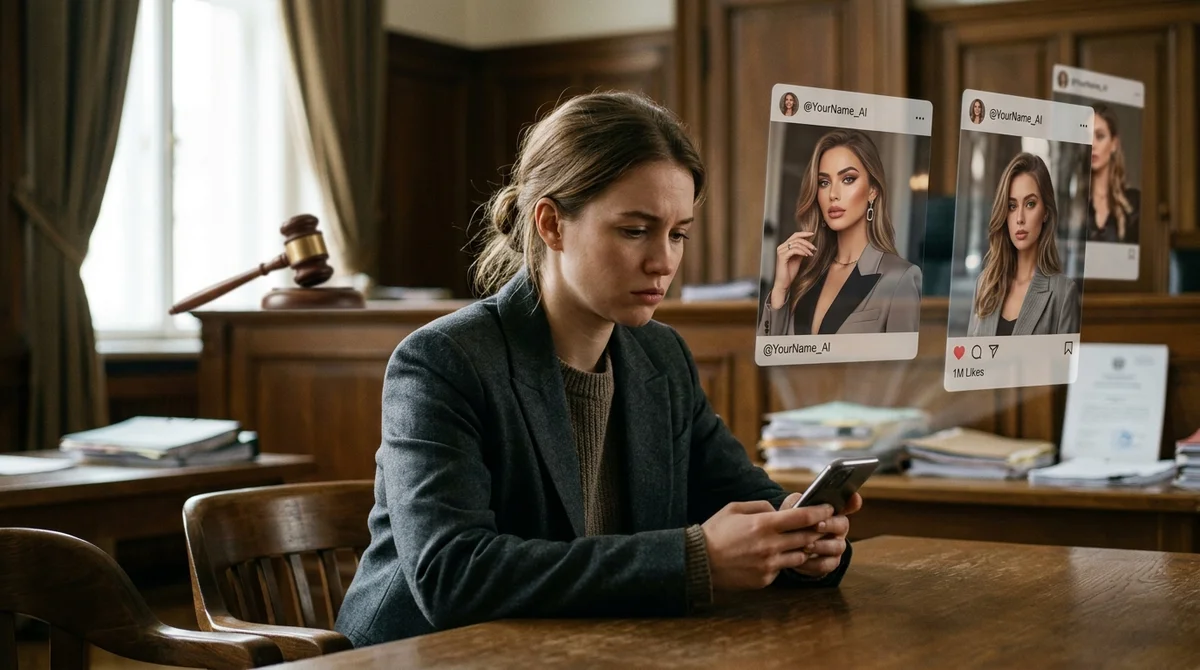
Three women in Arizona filed a lawsuit against a group of men who, according to the plaintiffs, were converting photos from social media into AI pornographic avatars and selling not only the result but also instructions for producing them. The story is important not because of the scale of the accounts, but because the victims, as claimed in the lawsuit, were not celebrities but ordinary users with public profiles.
How the scheme worked
One of the plaintiffs, referred to in court documents as MG, told how she maintained an ordinary Instagram account where she posted stories, photos with friends, and everyday moments. In the summer, she was sent a link to videos of a woman who looked very much like her: the same face, similar body, tattoos in the same places. According to her, it looked plausible enough that outsiders could mistake such images for real ones.
According to the lawsuit, three men from Phoenix, together with other unidentified participants, searched for photos of young women on the internet and then used them to create fictional AI models. Such content, the plaintiffs claim, was published on Instagram and TikTok and also monetized on Fanvue. In parallel, a subscription for $24.95 per month was sold through the Whop platform, offering courses that explained to other users how to build similar accounts.
The lawsuit describes an almost assembly-line process:
- searching for women with relatively small social media accounts
- collecting photos and uploading them to CreatorCore to train the model
- using a separate application to "undress" images and generate explicit content
- publishing AI videos and photos on social media for reach
- selling instructions and templates to new participants through a paid community
"It was disgusting on every level," one of the plaintiffs described
what she saw.
Why this lawsuit stands out
This case differs from many deepfake porn stories in that it involves not just publishing images without consent, but also selling ready-made instructions. The plaintiffs' attorney claims that subscribers were apparently taught how to select women who would not be able to defend themselves quickly and where to find their photos. The lawsuit specifically mentions that preference was given to accounts with audiences smaller than 50 thousand followers to reduce the risk of legal claims.
According to the data presented in the lawsuit, content created around this scheme garnered millions of views and in one month generated over $50 thousand in revenue. The document also states that in 2025, CreatorCore had over 8 thousand subscribers who generated over 500 thousand images and videos. Even if some of these figures have yet to be verified in court, they show that this is not a marginal story but a full-fledged economy around AI influencers.
A separate detail is the alleged rebranding of the project. At the time of publication, the Linktree AI ModelForge directed to the Telegram community TaviraLabs with an audience of over 18 thousand people, which called itself the largest community for training AI-influencer models. For such schemes, this is typical: changing the name, platform, and packaging allows you to quickly move the audience away from negative attention without breaking the sales funnel itself or abandoning the old business model. This additionally complicates the search for connections between new and old accounts, both for victims and for platforms.
Where protection fails
Formally, victims already have legal tools, but in practice they work slowly. The federal Take It Down Act was signed in May 2025, but only takes effect in May 2026. It should make publishing sexualized AI content without consent illegal and require platforms to remove such material within 48 hours of a complaint. At the state level, similar bans have already been adopted, including in Arizona, but local politicians themselves acknowledge that these measures more often react to harm after the fact than prevent it.
The problem is also in platform moderation. According to the plaintiffs, many images continued to remain on Instagram because formally they did not fall under impersonation rules: they are not exact copies of their photos, but new AI frames with the same face and recognizable features. TikTok, as reported, deleted some accounts after journalists reached out, and Instagram sent related profiles for review. But the gap itself between "not her photo" and "obviously made from her" remains a huge gray area.
What this means
The Arizona story shows that the market for AI influencers has long ceased to be limited to harmless virtual models. If the accusations are confirmed, it will be an example of how generative tools, paid communities, and weak moderation combine into a scalable scheme for exploiting someone else's appearance without consent — and how vulnerable almost anyone with a public social media profile can be. For platforms and lawmakers, this is a signal that the old logic of complaints and manual deletion no longer works.
Want to stop reading about AI and start using it?
AI News is a curated feed of AI/tech news. Hamidun Academy teaches you to use AI systematically in your work.