Generation Z Uses AI in Job Interviews, and Startups Turn It Into a Business
2025 graduates are job hunting in the weakest junior market in five years and increasingly use AI during live interviews. A niche of services is rapidly…
AI-processed from TNW; edited by Hamidun News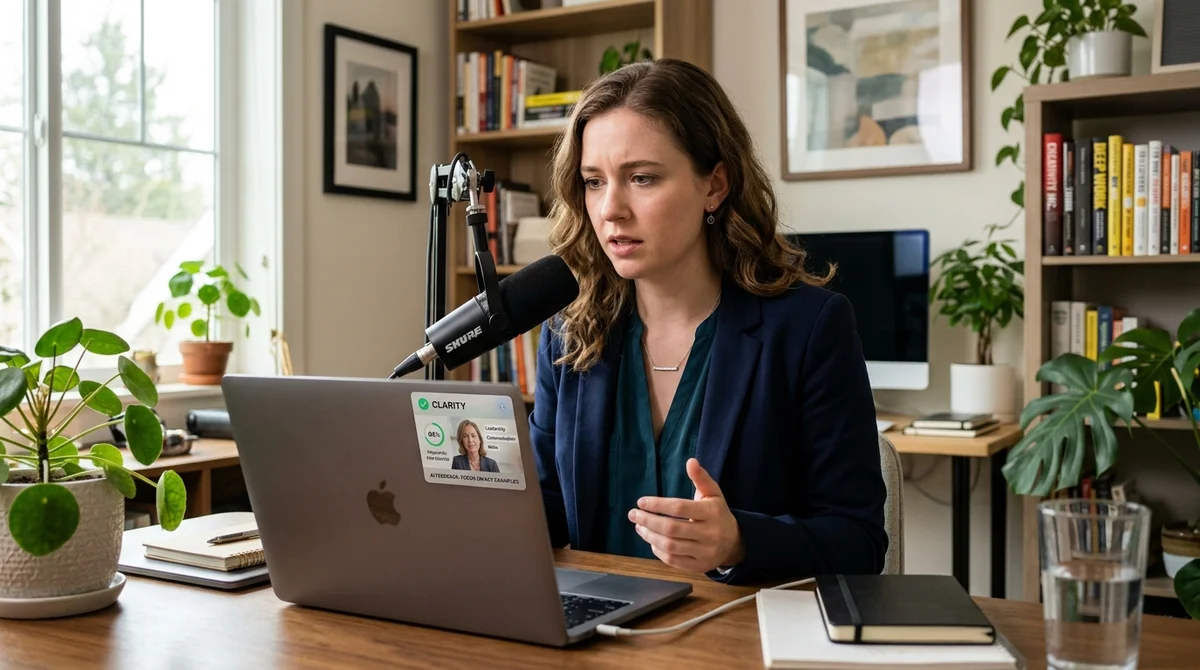
Generation Z graduates entering the job market face the weakest market conditions for entry-level specialists in the past five years. Against this backdrop, more and more candidates are using AI directly during live interviews, and a separate market of services is rapidly growing around this practice.
Weak Career Start
For the new generation, the situation looks harsh: diploma in hand, but fewer entry-level positions, fiercer competition, and even simple roles require experience that yesterday's students by definition don't have. When the market becomes like this, any technology that gives even a slight chance to look more confident stops being a toy and turns into a survival tool. For some young professionals, this is not a matter of fashion, but a matter of access to their first job.
Hence the understandable logic of job seekers. If AI helps write resumes, adapt cover letters, and prepare for interviews, then the next step seems almost inevitable: use it during the conversation itself. In the eyes of graduates, this looks not like breaking the rules, but as a way to compensate for the market imbalance, where the employer is initially in a stronger position and can choose from dozens of similar candidates.
AI in the Interview
This is not about preparation a day before the call, but about real-time support. Candidates connect tools that help quickly structure an answer, not lose the thread of thought, recall a successful example, or adjust the wording to the interviewer's question. Formally, the person still answers on their own, but between them and the interview there is now a digital assistant that reduces stress and makes speech more coherent.
This is where the main dispute begins. For an employer, such support can look like a hidden cheat sheet during an exam: the company wants to understand how a candidate thinks without external support, how quickly they orient themselves and how they formulate thoughts under pressure. For job seekers themselves, the argument is different: if in real work AI has already become a normal working layer, why does it need to be turned off precisely at the moment of hiring?
The boundary between cheating and a new norm is quickly blurring, and old interview rules no longer seem obvious.
A New Startup Niche
As soon as demand appeared, a small industry immediately began to form around it. Startups sell not just access to a model, but a specific scenario: how to pass an interview more confidently, get a hint unnoticed, and reduce the risk of failure on difficult questions. Against the backdrop of a weak junior job market, such packaging sounds especially convincing: it promises not abstract "AI help," but a real chance not to fail the call that determines the first offer.
- Real-time hints and answer structuring
- Pre-interview training with question simulation
- Job analysis and role expectations
- Help with formulations for technical and behavioral blocks
- Services that mask AI as "invisible support"
The problem is that the market for such solutions is growing faster than hiring rules. Companies still don't have a common answer for where permissible preparation ends and unfair advantage begins. Bans alone will not be enough: detecting AI support in a video call is difficult, and completely blocking it is almost impossible. Therefore, employers will likely have to change the mechanics of interviews themselves — emphasizing clarifying questions, analysis of real experience, and the sequence of thinking, rather than just smoothly formulated answers.
What This Means
AI has reached yet another sensitive stage — first hiring. Graduates use it as a way to improve their chances in a weak market, and startups turn this anxiety into a product. Next, the debate will shift from the question "is this allowed" to the question "how do we now measure a candidate's real suitability."
Want to stop reading about AI and start using it?
AI News is a curated feed of AI/tech news. Hamidun Academy teaches you to use AI systematically in your work.