Google Translate adds pronunciation training for foreign words and phrases to its mobile app
Google updated mobile Translate with a new feature to help improve pronunciation of foreign words and phrases. The addition marks the service's 20th…
AI-processed from 3DNews AI; edited by Hamidun News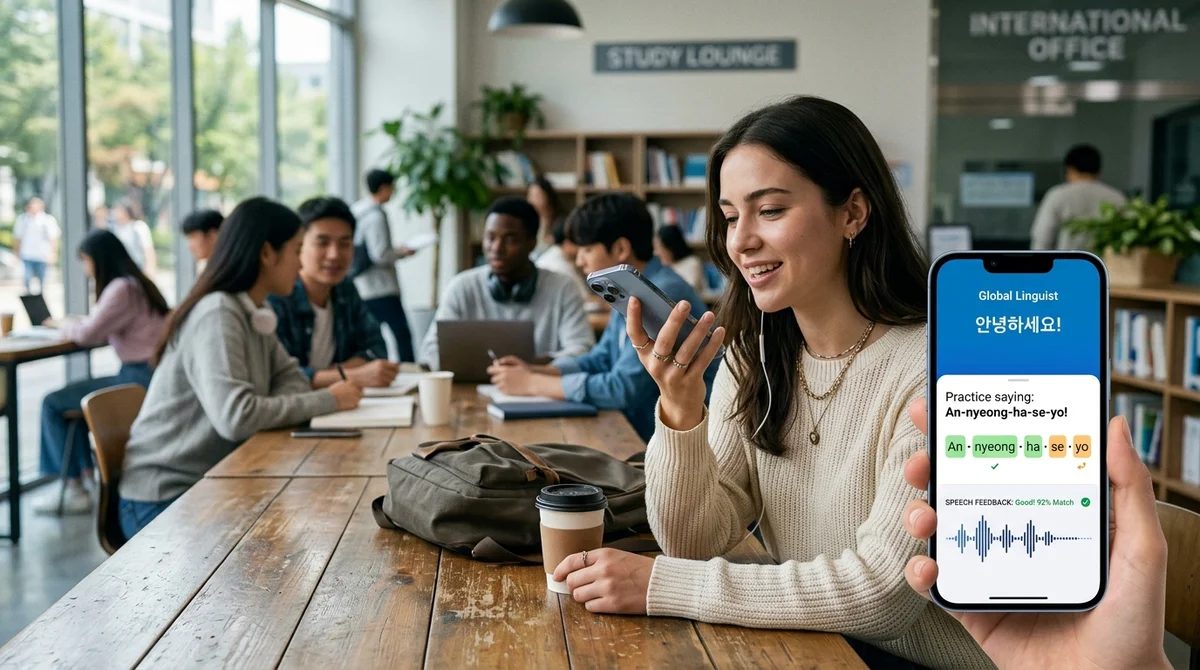
Google updated its mobile Translate and added a tool that helps users correct the pronunciation of foreign words and phrases. The launch is timed to coincide with the twentieth anniversary of the Google Translate family of services and demonstrates how the translator is evolving from a reference tool into a more practical language learning assistant.
New Feature
The new mode in the Google Translate app for smartphones is designed not only for text translation, but also for practicing spoken speech. A user can pronounce a word or short phrase and receive feedback on what needs correction in the pronunciation. In essence, Translate is taking another step toward becoming a language training tool: previously, the service helped understand meaning, view translations, and hear correct pronunciation, and now it's trying to add feedback to that.
For mobile use, this is a logical development, because the phone is most often used while traveling, at lessons, and in everyday communication. It's also important that Google doesn't launch this capability as a separate product, but embeds it into the already familiar interface. This means a lower barrier to entry: people don't need to search for a specialized app, figure out new logic, and build their study habits around it.
They open the same Translate they've long used to translate menus, messages, signs, and simple conversations, and get an additional layer of value. For mass audiences, this is often more important than launching yet another niche service.
Why Now
Google explains the appearance of the feature quite directly: users themselves asked for it. Over twenty years, Translate has evolved from a basic web translator into a large set of tools that can work with text, voice, camera, and rapid conversational translation. Against this background, the next request looked quite natural: people don't just want to see the correct phrase, they need to quickly check whether they can pronounce it in a way that will be understood in a real situation. This is especially relevant for those learning a language without a teacher and relying on a smartphone as their primary tool.
"The feature was added at the numerous requests of users."
Symbolically, the update comes in a milestone year for Translate. The service's twentieth anniversary is a convenient moment to showcase the evolution of the product: from translating individual words to more complex support for communication. In recent years, major digital platforms increasingly compete not for a one-time launch, but for regular user return. The pronunciation tool fits well into this logic, because it's needed not episodically, but almost every day: before a meeting, while traveling, during a lesson, or before a quick call.
Who Will Benefit
The practical value of the innovation is that it closes the gap between passive language understanding and real conversation. Many users already know how to read translations and recognize words by ear, but still avoid speaking because they fear making mistakes in stress, rhythm, or the sound of individual phonemes. If Translate truly provides clear and fast feedback at the level of short words and phrases, the app will become useful not only for tourists, but also for those preparing for interviews, video calls, relocation, or studying abroad.
- Checking short phrases before conversation
- Quick pronunciation rehearsal while traveling
- Independent practice without a teacher
- Less awkwardness in typical situations
There's also a broader effect. When a speech training feature appears within a mass translator, the scenario of its use itself changes. Translate gradually transforms from simply a tool to "understand foreign text" into a service that helps you act: say a phrase aloud, prepare for contact, remove the barrier before the first conversation. For Google, this is a strong product move, because it enhances the value of the ecosystem without radically changing audience habits and without needing to re-explain why a new service is needed.
What This Means
Google Translate increasingly goes beyond translation and becomes a universal tool for short-term language practice. If the pronunciation correction feature turns out to be accurate and convenient, users will return to the app more often not just for translation, but for daily speech rehearsal. For the market, this signals that major AI services are competing not only on model quality, but on how deeply they integrate into everyday tasks.
Want to stop reading about AI and start using it?
AI News is a curated feed of AI/tech news. Hamidun Academy teaches you to use AI systematically in your work.