Billionaire Chen Tianqiao Split MiroMind Between China and USA After Manus Saga
The Manus saga quickly became a warning for China's entire AI market. After Beijing ordered the cancellation of Meta's $2 billion deal on April 27, Chen…
AI-processed from Bloomberg Tech; edited by Hamidun News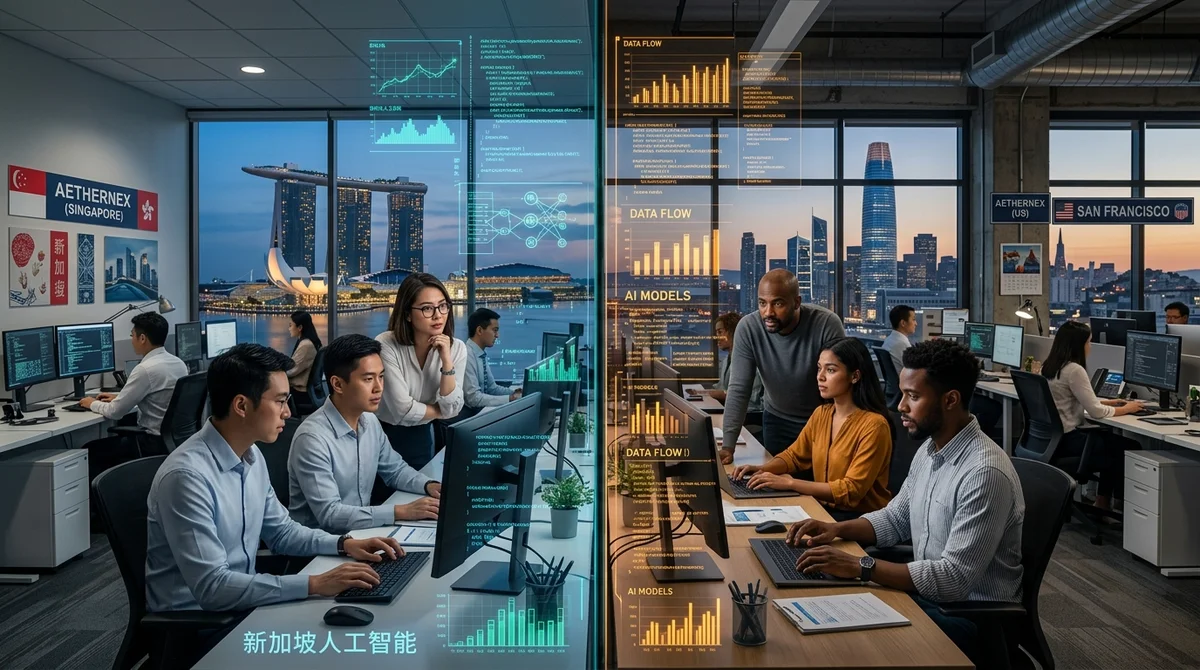
Chinese billionaire Chen Tianqiao is restructuring the AI startup MiroMind after the Manus saga demonstrated that the previous scheme of "launching the company in Singapore and operating globally" no longer protects against state intervention. Now MiroMind is strictly separating its Chinese and US business operations to reduce regulatory risks.
Why the restructuring began
The trigger was the fate of Manus. On April 27, 2026, Beijing ordered the cancellation of Meta's $2 billion acquisition of this AI startup, despite the purchase having been announced back in December 2025, with the team and investors already having integrated into the new structure. For Chinese authorities, Manus became an example of how technology, capital, and key specialists could quickly leave the country through a formally foreign shell.
After this, regulatory attention shifted to other companies with a similar trajectory. According to Chen, MiroMind received inquiries from authorities, and following them the company decided to move to a stricter management model. He calls this scheme unpleasant but necessary: for a business with Chinese roots, it is no longer enough to simply open an office in Singapore or California—you need to show in advance where code is created, who owns the data, and what assets physically remain in each jurisdiction.
"Regulation, geopolitics, and public attention change faster than many
companies manage to adapt."
How the business will be divided
MiroMind's new model is built around strict barriers between the Chinese and American sides. The company is introducing protocols that prohibit cross-border information and code exchange, and also reduce the movement of employees, data, and assets between different parts of the group. Essentially, this is an attempt to demonstrate to both Beijing and American partners that each side operates within its own compliance framework.
- AGI research and fundamental development are concentrated in the Singapore structure of MiroMind.
- Separate regional companies within the Shanda ecosystem are responsible for local AI applications and implementation according to specific market requirements.
- Code, data, and internal knowledge should no longer flow freely between Chinese and American teams.
- Movement of specialists between offices is minimized to avoid questions about the transfer of critical competencies.
The company began this shift in January, when it announced a redistribution of functions and the transfer of part of its research activities to Singapore. It was previously reported that some employees from Shanghai were asked to relocate, and MiroMind itself emphasized its international structure with a base in Singapore and presence in the US. Now this logic becomes not a marketing narrative, but an operational rule: separate people, separate processes, separate technology stacks.
Why everyone is watching Manus
Manus became a painful case because until recently it was considered a model example of global expansion for a Chinese AI startup. The project launched in March 2025, a month later attracted $75 million from American Benchmark, in the summer relocated part of its team from China to Singapore, and by December Meta announced the acquisition. On paper, this looked like the perfect route: Chinese roots, Singapore registration, American capital, and access to the global market.
But it was precisely this scheme that caused irritation in Beijing. Authorities saw in the deal not just an M&A transaction, but a possible leak of sensitive technology and talent to the main geopolitical rival. Against this background, China, according to industry publications, has already warned a number of major players—from Moonshot AI and StepFun to ByteDance—that attracting American capital without explicit coordination is no longer possible.
For the entire sector, this means a simple thing: what matters is not only the country of registration and the label on the website, but also the origin of the team, capital, intellectual property, and computing infrastructure.
What this means
For AI startups of Chinese origin, an era is beginning not of "globalization at any cost," but of forced separation. Deals through Singapore, offshore holding companies, and hybrid teams no longer appear to be a universal workaround. If the trend takes hold, companies will need to design two worlds from the start—separate legal entities, separate investors, separate teams, and separate access contours to code.
Want to stop reading about AI and start using it?
AI News is a curated feed of AI/tech news. Hamidun Academy teaches you to use AI systematically in your work.