Musk's Lawsuit Against OpenAI Begins: AI Industry Secrets Set to Go Public
The court case between Elon Musk and OpenAI has officially begun. Both parties will determine who deserved what during the company's early years — who will…
AI-processed from The Verge; edited by Hamidun News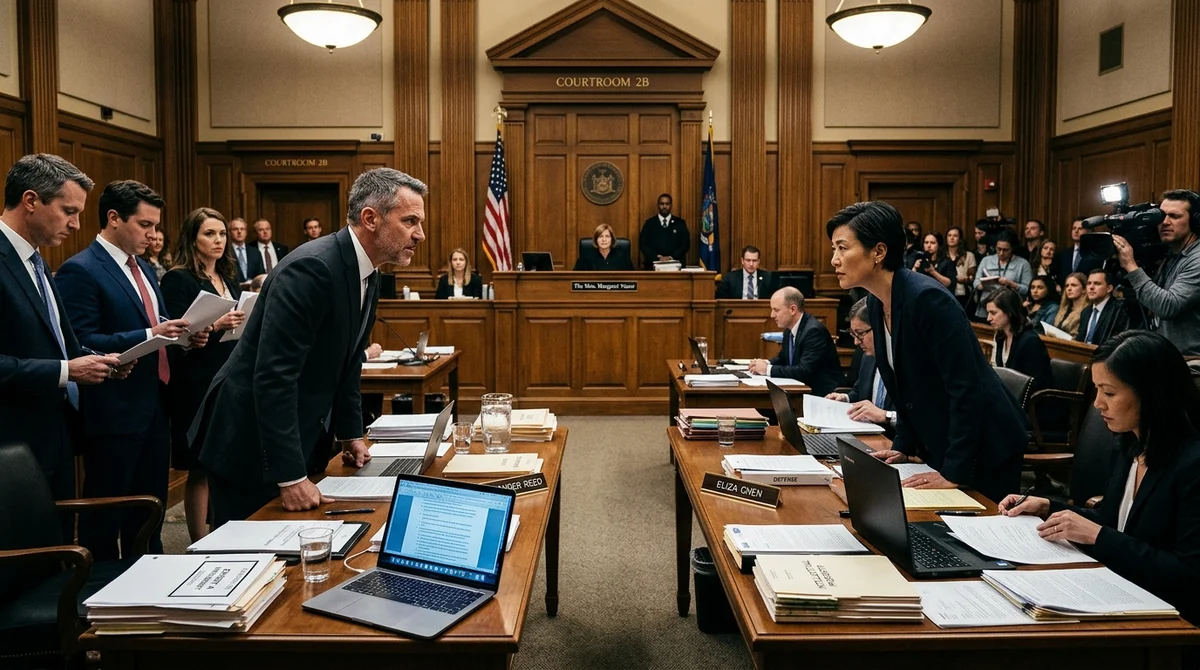
The lawsuit between Elon Musk and OpenAI has officially begun. The coming weeks will turn into a public reckoning: who did what in the company's early years, who deserves the credit, who owes whom and how much — and how one of the world's most influential AI organizations transformed from a non-profit lab into a corporate giant with a trillion-dollar valuation.
How it came to court
Musk was one of OpenAI's co-founders in 2015. He invested tens of millions of dollars and, together with Sam Altman, shaped the organization's mission: to develop artificial intelligence for the benefit of all humanity, openly and without commercial motives. In 2018, he left the board of directors — officially due to a conflict of interest with Tesla, which was actively pursuing its own AI developments.
However, since then, Musk's relationship with OpenAI has become increasingly hostile. In 2024, he filed a lawsuit, claiming that the company violated fundamental agreements between founders: it transformed into a closed commercial entity, gave Microsoft privileged access to its technologies, and effectively betrayed its original public mission. OpenAI rejects all accusations.
According to the company, it was Musk who at different times proposed bringing the organization under his sole control or merging it with Tesla — and both times received a refusal. Altman insists: Musk's departure was voluntary, and since then OpenAI has developed in full accordance with its mission.
What will become public
The trial promises to be extremely awkward for many people at once. Documents and testimonies that normally remain strictly behind closed doors may become publicly accessible:
- Internal correspondence between OpenAI founders from 2015–2018
- Financial details of Musk's early investments and agreements
- Strategy discussions at closed board meetings
- Details of the Microsoft partnership and conditions of multi-billion-dollar deals
- Testimony from Altman, Brockman, and other key figures under oath
Journalists at The Verge note: it's possible that maximum publicity itself is the lawsuit's primary goal. An open trial allows Musk to bring into the media spotlight secrets and conflicts that would otherwise never reach a wide audience.
Positions of the parties
OpenAI insists: the company fully adheres to its mission. The shift to a more closed model and partnership with Microsoft was a necessary step, without which it's impossible to finance research at current scales. GPT-4, GPT-5, o3 — all of this requires computational power worth tens of billions of dollars. Without a commercial partner, these developments would simply be impossible. Musk, for his part, launched his own AI company, xAI, and released a competing model, Grok. Critics point out: the lawsuit appeared precisely when his own AI project began seriously competing with OpenAI. This raises questions about motives: principled stance or competitive warfare?
What it means
Regardless of the outcome, the trial has already become a mirror of the inner workings of the AI industry. While Musk and Altman settle scores in the courtroom, competitors — Google, Anthropic, Meta — continue to expand their capabilities without pause. For investors and regulators around the world, this trial is important as a precedent: how should AI organizations be managed when they start with a non-profit mission but now require commercial scale? There's no answer yet, but staying silent about it will become significantly harder.
Want to stop reading about AI and start using it?
AI News is a curated feed of AI/tech news. Hamidun Academy teaches you to use AI systematically in your work.