OpenAI buys talk show TBPN for hundreds of millions of dollars and enters media
OpenAI unexpectedly entered media and acquired TBPN — a popular daily tech show about technology, business, and AI. According to Western media, the deal is…
AI-processed from 3DNews AI; edited by Hamidun News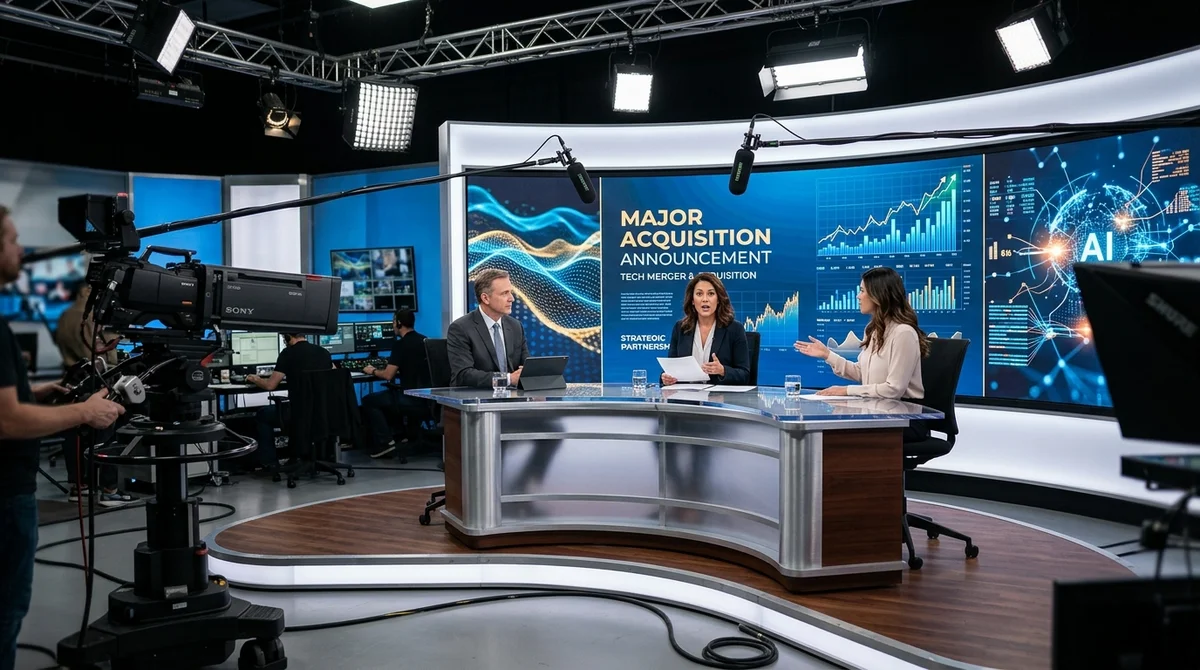
OpenAI unexpectedly bought not an AI startup and not an infrastructure company, but a media asset: the popular tech show TBPN. According to Western publications, the deal is worth several hundred million dollars. For a company that is simultaneously tightening its focus on key products and corporate business, such a move looks atypical.
But that's precisely why it's important: OpenAI is buying not just a show, but a platform where a daily conversation about technology, business, and artificial intelligence is shaped. TBPN stands for Technology Business Programming Network. It's a daily three-hour live show that airs on weekdays and is broadcast on YouTube and X, as well as distributed on other platforms in the format of clips and podcasts.
It's hosted by entrepreneurs Jordi Hayes and John Coogan. In a short time, the project has become a notable part of the Silicon Valley media ecosystem: company founders, investors, and top managers come there to discuss the day's news, deals, the AI market, and corporate strategy. Guests have already included Mark Zuckerberg, Satya Nadella, and Sam Altman.
For OpenAI, this is the first major acquisition of a media company. Formally, the logic of the deal sounds like this: TBPN has already become a place where the professional community discusses AI on a daily basis, and instead of building its own channel from scratch, OpenAI decided to buy an already working platform and scale it. Within OpenAI, the project will fall under the strategic block and report to Chris Lehane, who is responsible for global communications and external agenda.
The company's management separately emphasizes that TBPN will retain its own brand, broadcast format, and the right to independently choose guests and editorial decisions. The question of independence will be the main issue here. TBPN became influential not because it supported one company, but because it provided an insider, yet lively and fairly direct view of the industry.
After OpenAI's acquisition, doubts will inevitably arise: will the hosts be able to criticize their new owner just as harshly, will OpenAI's competitors still come on air, and won't the show turn into a neat PR channel disguised as an editorial product? Sam Altman himself publicly stated that he doesn't expect OpenAI to receive softer treatment and that the company will maintain tolerance for criticism. But the real test will begin after the deal closes, when the show will have to discuss the buyer's controversial moves.
The economics of the project also explains OpenAI's interest. By estimates, the TBPN team consists of only 11 people, but the show already attracts about 70,000 views per day and in 2026 could bring in up to $30 million in revenue, mainly from advertising. For traditional media, these are not giant numbers, but for niche B2B tech media—they are a very strong result. Especially considering the quality of the audience: startup founders, investors, developers, managers of large companies, and people who actually make decisions about AI implementation. Buying such a platform gives OpenAI not just reach, but access to concentrated attention from the most valuable audience segment in the market.
There's also a broader context. The deal happened against the backdrop of conversations about OpenAI wanting to act more disciplined and focus on directions with clear business returns. Against this background, buying a talk show for a sum exceeding $100 million looks almost paradoxical. But if you look at it as a struggle for distribution, trust, and control over the agenda, logic emerges. Today in AI competition, it's not enough to create a strong model. You also need to explain to the market, regulators, developers, and corporate customers why your approach is important, safe, and useful. Having your own influential media platform solves this task faster than dozens of traditional PR campaigns.
The main takeaway is that OpenAI is now investing not only in models, computing, and products, but also in a channel of influence over the interpretation of what's happening in the industry. If TBPN truly retains editorial autonomy, the deal could become a rare example of a technology company strengthening public discourse rather than stifling it. If not, the market will quickly see that behind the veneer of an independent show, another corporate media asset has appeared. In any case, the TBPN acquisition shows: the struggle in AI is no longer just about technology, but about the right to set the tone of the conversation about it.
Want to stop reading about AI and start using it?
AI News is a curated feed of AI/tech news. Hamidun Academy teaches you to use AI systematically in your work.