OpenAI Changes Leadership Amid IPO Preparations and ChatGPT Advertising Discussions
OpenAI is reshuffling its management again at one of the most sensitive moments for the company. Amid preparations for a possible IPO and the search for new…
AI-processed from 3DNews AI; edited by Hamidun News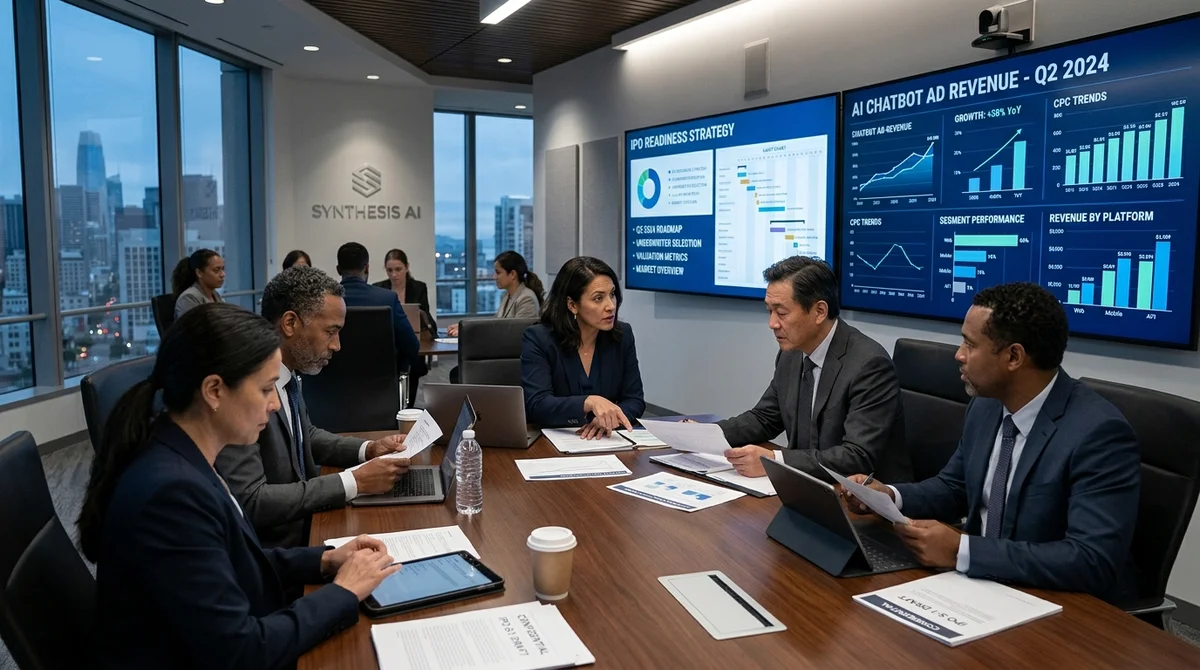
OpenAI is restructuring its management team at a moment when the company is transitioning from a fast-growing research laboratory to a major commercial player. The new personnel decisions reflect not only internal adjustments to roles, but also pressure from the upcoming IPO, rising expenses, and the need to demonstrate a more understandable monetization model to the market. Essentially, this is a series of management reshuffles, some of which, judging by the company's statements, were dictated by circumstances.
For OpenAI, this is a sensitive moment: the business is simultaneously expanding its user base, broadening corporate products, and trying to build a management system that will withstand stricter demands from investors, partners, and regulators. When a company of this scale changes its leadership composition, the market typically perceives this as a signal of transition to the next stage of development. At this stage, OpenAI's main task is to prove that ChatGPT and related services can be not only a technological phenomenon, but also a sustainable source of revenue.
Preparation for a potential public listing requires the company to have greater predictability in finances, a clearer structure of responsibility, and a clear growth plan. This is why personnel reshuffles are not happening in isolation from business considerations, but against the backdrop of discussions about new monetization methods, including advertising within ChatGPT. For the market, this is an important indicator: if advertising truly becomes part of the product, OpenAI will need to carefully balance between revenue, quality of responses, and audience trust.
The idea of embedding advertising in ChatGPT appears logical from a financial perspective. OpenAI has enormous computational costs, fierce competition in the AI market, and a constant need to invest in model training, infrastructure, and new products. Subscriptions and corporate licenses already bring in money, but for a company with ambitions to be a global platform, this may not be sufficient.
Advertising can add another source of income, especially if OpenAI wants to appear more attractive to future shareholders. But alongside this comes a risk: any commercial intervention in a chatbot's interface will inevitably be compared to classic internet platforms, where revenue growth often came at the expense of user experience. Personnel decisions in such a situation become not a cosmetic update, but part of a broader restructuring.
The company needs to simultaneously strengthen operational management, accelerate the launch of new features, and reduce dependence on individual figures within leadership. For OpenAI, this is especially relevant because the company has been subject to heightened scrutiny regarding corporate governance for over a year now. Any changes in the top echelon of management will now be viewed not only through the lens of internal processes, but also as an indicator of how ready the company is to operate by the rules of the public market.
On the surface, this looks like a typical stage of maturation for a technology giant, but the stakes are higher than usual for OpenAI. The company has found itself at the center of the new AI economy and is essentially setting the pace for the entire generative services market. Its decisions affect not only its own revenue, but also how investors will evaluate the entire sector: as a set of promising but unprofitable experiments, or as a mature business with clear economics.
Therefore, every change in leadership is now perceived as part of the major preparation for the next phase—more formal, more commercial, and less tolerant of management uncertainty. The main takeaway is that OpenAI is rapidly transforming from a symbol of the AI boom into a company that needs to confirm its effectiveness every quarter. The reshuffles in leadership, plans to increase revenue, and discussions of advertising in ChatGPT show that the next stage for OpenAI will be determined not only by the quality of its models, but also by its ability to build a managed, scalable, and investment-convincing business.
Want to stop reading about AI and start using it?
AI News is a curated feed of AI/tech news. Hamidun Academy teaches you to use AI systematically in your work.