Sam Altman Signs Pentagon Deal: QuitGPT Boycott Reaches 4 Million Participants
Sam Altman signed a contract with the Pentagon hours after Anthropic publicly declined a similar offer on ethical grounds. Result: ChatGPT deletions surged…
AI-processed from Habr AI; edited by Hamidun News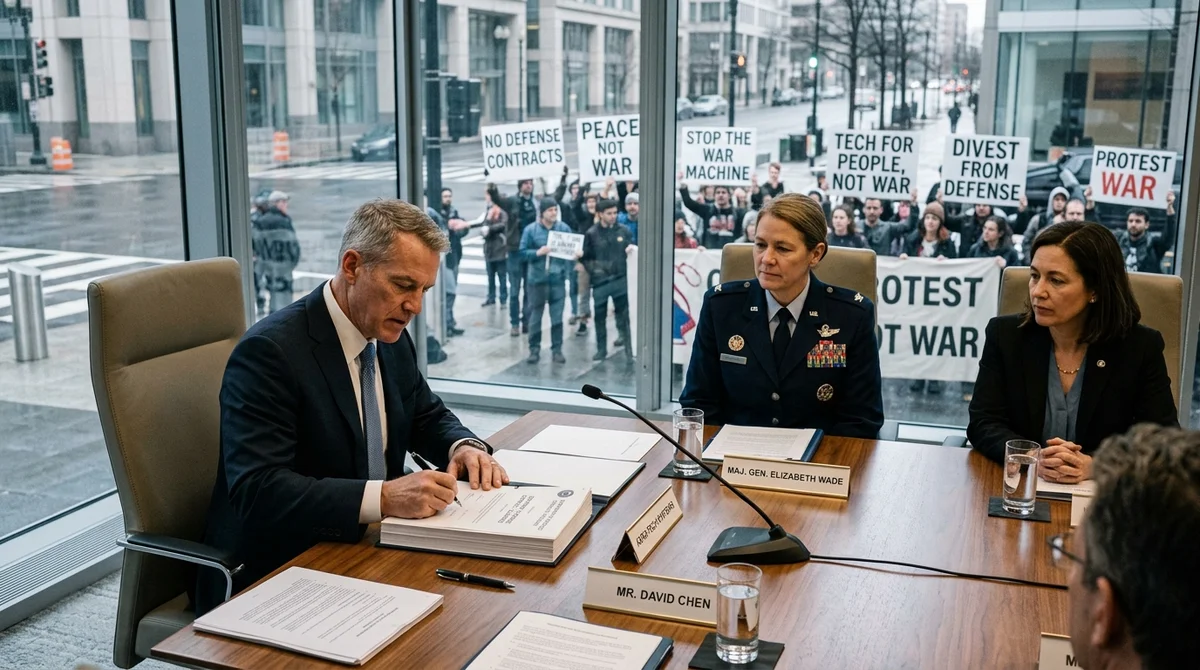
Sam Altman signed an agreement with the US Department of Defense on the very day when his main competitor publicly refused to do so — and this move resulted in one of the most resonant reputational crises in the history of technology companies. In February 2026, the CEO of Anthropic announced that he could not in good conscience provide the American military structure with unlimited access to his AI systems. The position was clear and publicly stated: AI in the hands of the military without ethical constraints — too great a risk, and no commercial interest outweighs responsibility to society.
It was a rare case when a major technology company said "no" to a state customer. Washington's reaction did not take long. The Trump administration called Anthropic a "supply chain risk" — a formulation usually applied to unreliable foreign contractors.
Political pressure proved maximal: the company was essentially made to understand that refusal would have consequences. It was at this moment that Altman signed the contract. He accepted what his competitor refused.
Later, OpenAI's own leadership acknowledged that the deal "looked opportunistic and careless" — but this admission came too late and did not change the perception that had formed. The internet reacted swiftly. On the same day, ChatGPT deletions increased by 295%.
The QuitGPT movement, urging users to abandon OpenAI products, gathered 2.5 million participants in the first week — and by the time this article was written, reached 4 million. People explain their choice briefly: they do not want their data and money to go to a company that handed over the capabilities of its systems to the military without public discussion of ethical frameworks.
Against this backdrop, Claude from Anthropic took first place among free applications in the US App Store. Users seeking an alternative found it quickly — and preferred one whose leadership publicly put principles above commercial gain. The crisis extended beyond the user audience.
The head of OpenAI's robotics division publicly announced his departure — directly citing the Pentagon contract. Hundreds of employees signed an open letter in support of Anthropic's position. Inside one of the world's most influential technology companies, an open rift occurred between management and part of the team.
On the sidewalk outside OpenAI's headquarters in San Francisco, graffiti appeared with the inscription "you suck". An atypical conclusion for a company that recently positioned itself as the creator of AI for the benefit of all humanity. This is a rare case when one company's ethical refusal instantly became another's competitive advantage.
Anthropic did not launch advertising campaigns. Its CEO simply said "no" — and the market responded. QuitGPT is not a marginal movement of a few hundred activists.
Four million people consciously abandoning a free and convenient product for ethical reasons — this is a signal: part of the audience is ready to pay the price of inconvenience for the feeling of making the right choice. On OpenAI's revenue charts, this movement will likely not be reflected in the short term. ChatGPT remains the dominant product, and corporate clients are guided by functionality and price, not by sidewalk graffiti.
But reputational damage works differently than financial damage. OpenAI spent years building a narrative about responsible AI, concern for safety, and a mission for the benefit of humanity — and all of this collapsed in a few hours of one deal. Competitors did not need to do anything: it was enough to say "no" at the right moment.
Want to stop reading about AI and start using it?
AI News is a curated feed of AI/tech news. Hamidun Academy teaches you to use AI systematically in your work.