Content Creators Sound the Alarm: AI Threatens Cultural Heritage
In the world of art and technology, a serious scandal is unfolding. About 800 renowned artists, writers, actors, and musicians have united in a new campaign…
AI-processed from The Verge; edited by Hamidun News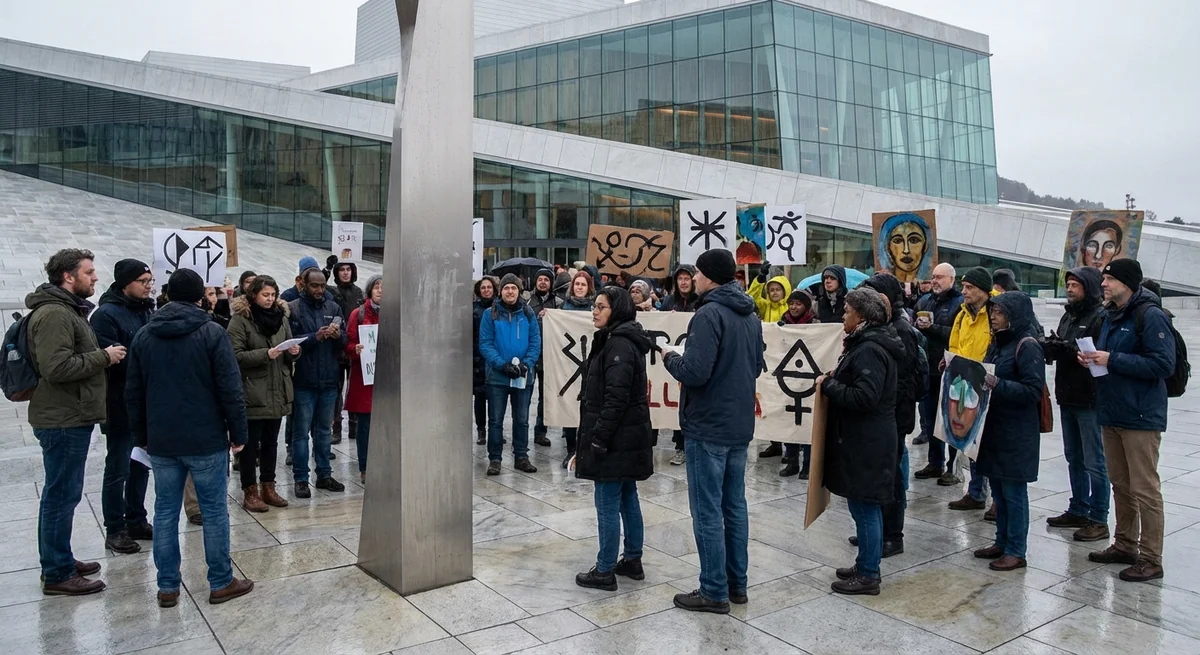
In the world of art and technology, a serious scandal is unfolding. About 800 renowned artists, writers, actors, and musicians have united in a new campaign called "Stealing is Not Innovation" to express their protest against what they describe as "large-scale theft" by artificial intelligence companies. Among the petition signatories are such prominent names as writers George Saunders and Jodi Picoult, actors Kate Blanchett and Scarlett Johansson, as well as musicians from R.E.M., Billy Corgan, and The Roots.
The reason for such a sharp reaction is the widespread use of creative works to train generative AI models without obtaining explicit consent from the authors. Companies seeking leadership in GenAI, as campaign participants argue, are simply copying vast amounts of content from the internet, violating copyright and devaluing the work of creative professionals. This threatens not only the financial well-being of artists and writers but also the very concept of creativity itself, since AI reproduces and processes existing works rather than creating something fundamentally new.
The essence of the grievances is that GenAI trained on data arrays including copyright-protected works can generate content that imitates the style or content of these works. This creates a situation where AI-generated content competes with original works, depriving authors of the opportunity to earn from their creativity. Additionally, the question of attribution arises: how can we determine which specific works served as the basis for creating AI content, and who should be held responsible for copyright infringement?
This situation has far-reaching consequences for the entire entertainment and media industry. On the one hand, GenAI opens new possibilities for creativity and automation of routine tasks. On the other hand, uncontrolled use of copyrighted materials can lead to devaluation of creative labor and reduced incentives for creating new works. It is necessary to find a balance between technological development and protection of authors' rights to avoid "an artificial intelligence future" dominated by faceless and monotonous content.
One possible solution is the development of more transparent and fair licensing and compensation mechanisms for authors whose works are used to train AI. Another important step is the creation of effective systems for detecting and preventing copyright infringement in the GenAI field. Finally, it is necessary to maintain an open dialogue between AI developers, rights holders, and society as a whole to establish common rules of the game and avoid conflicts.
In conclusion, the "Stealing is Not Innovation" campaign highlights the necessity of copyright protection in the era of generative AI. The future of creativity and cultural heritage depends on how this issue is resolved. It is important to remember that innovation should not come at the expense of violating the rights and interests of creative professionals.
Want to stop reading about AI and start using it?
AI News is a curated feed of AI/tech news. Hamidun Academy teaches you to use AI systematically in your work.