Ben Affleck, Netflix, and a New Generation of AI for Film: Why Sora Falls Short
Universal AI video generators — Sora, Veo, Runway — cannot meet the demands of professional filmmaking. They are being replaced by custom models tailored to…
AI-processed from The Verge; edited by Hamidun News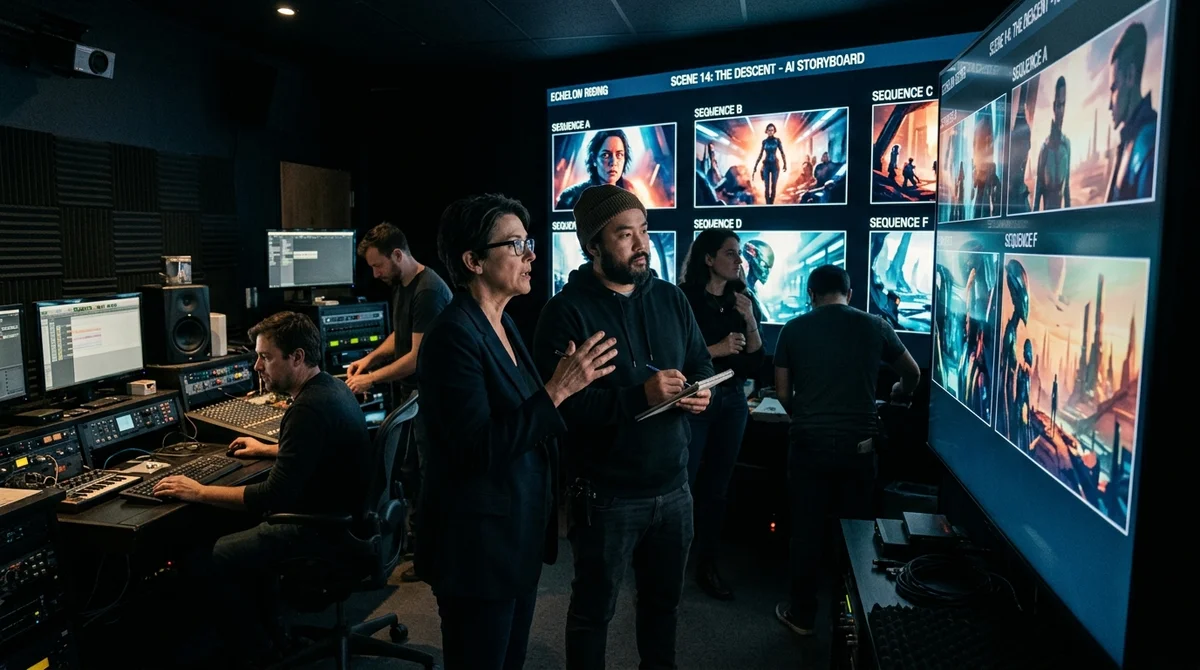
Public AI video generators are not yet ready for Hollywood — and the industry is beginning to acknowledge this. Models like Sora from OpenAI, Veo from Google DeepMind, and Runway produce impressive demo reels, but for actual film production they prove too unreliable: they struggle to maintain style, don't understand production requirements, and create legal risks due to potential copyright violations. The industry is seeking alternatives.
The new trend is custom AI models created specifically for filmmakers' needs. Unlike universal generators, such systems are integrated into the full development cycle: from concept and storyboarding to post-production. They are trained on licensed data, which mitigates some legal risks, and are oriented not toward creating viral content but toward assisting professional teams.
One striking example is the Interpositive startup, to which actor and director Ben Affleck has joined. The name itself is a reference to the term "interpositive" from traditional film technology: it refers to an intermediate master positive necessary for creating quality copies. The choice of term is symbolic: the company positions itself as a bridge between the creative process and the capabilities of generative AI.
Netflix is also moving in this direction. The largest streaming platform is actively testing AI tools at various production stages — primarily where technology can reduce costs without compromising quality: in pre-production visualization, reference generation, and supporting materials. At the same time, Netflix prefers to keep development in-house, not relying exclusively on third-party platforms.
The gap between advertising promises and actual AI capabilities has proven painful for many in the industry. Over the past two years, a number of producers have publicly stated that generative AI will destroy Hollywood in the near future. But practice has shown the opposite: mass content production using Sora or Runway mostly yields what is commonly called AI slop — visually striking but empty material unsuitable for professional use.
The problem is not just image quality. Professional film production requires consistency: characters should look the same from frame to frame, lighting should match the shooting logic, props should remain in place. Universal models handle this poorly. Custom systems promise deeper integration with the production pipeline — and potentially can be trained on specific characters, styles, and universes.
The legal aspect is also crucial. Several major lawsuits against AI companies have raised questions about the legality of using copyrighted materials in model training. Custom models created on licensed data or studio internal libraries appear significantly more protected — though legal precedent in this area is still developing.
It is premature to speak of mass transition. Custom AI models for cinema are expensive and technically complex products, accessible so far only to major players. But the direction itself demonstrates: the future of AI in Hollywood is likely not with universal generators for the masses, but with specialized tools integrated into professional workflows. This fundamentally reshapes the competitive landscape in the AI market for the media industry.
Want to stop reading about AI and start using it?
AI News is a curated feed of AI/tech news. Hamidun Academy teaches you to use AI systematically in your work.