Google's AI search increasingly directs users to YouTube and its own services instead of third-party sites
Google's AI search is sending users back into the Alphabet ecosystem: AI Overview and other tools most often link to YouTube and Google Search rather than…
AI-processed from Wired; edited by Hamidun News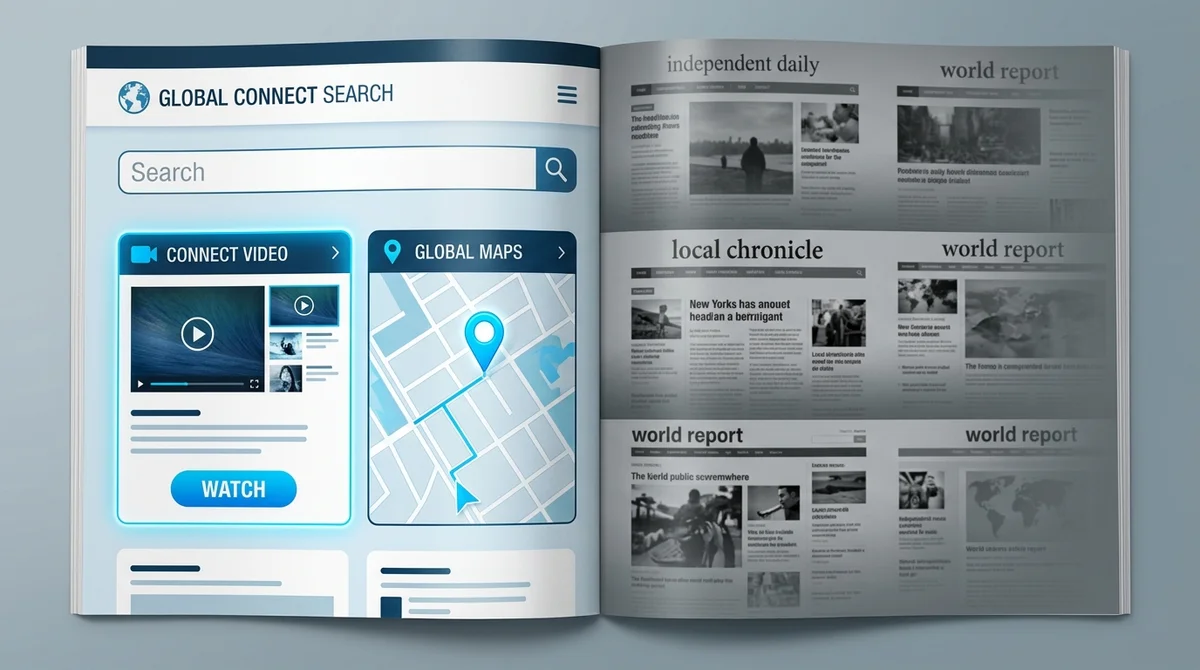
Google's generative AI search is turning into a self-promotion machine. New investigation shows: AI Overview and other AI tools of the company systematically direct users toward Alphabet's own services — YouTube, Google Search, Google Maps, Google Shopping — at the expense of independent publications and third-party resources. Google launched AI Overview in 2023 under the name Search Generative Experience, and in 2024 the feature reached hundreds of millions of users worldwide.
The idea — to save time: instead of following several links, a user gets a ready-made summary right on the search page. But analysis of what exactly this AI cites exposed a persistent pattern. In the list of cited sources, YouTube, Google search pages and other Alphabet services regularly come first.
Independent news sites, specialized blogs and niche expert resources are mentioned significantly less often — and consequently receive fewer clicks. For the media industry, this is not an abstract technical question. In 2023-2024, many publications already recorded 20-50% drops in referral traffic from Google Search.
AI Overview accelerated the trend: the user gets an answer right on the page and doesn't go to the source website. Now it turns out that even when AI does make a link, preference is given to platforms within the company's ecosystem. YouTube is a key element of the strategy.
Alphabet's video platform is among the world's three largest websites and has long competed with traditional media for audience attention. When AI search recommends watching a video on YouTube instead of reading an article on an independent publication, it directly hits media business monetization. Google denies intentional promotion of its own services.
Company representatives explain YouTube's frequency of mention by the quality and authority of its content: the platform is indeed one of the most cited resources on the network. Critics don't accept this argument — in their view, the algorithm itself is trained on data where Google services are represented disproportionately widely, which means the bias is built into the model's architecture. The regulatory context intensifies the situation.
In the US, an antitrust case against Google continues: the Department of Justice accuses the company of abusing its dominant position in the search market. European regulators have already fined Google billions of euros for similar behavior — promoting its own services through search results at the expense of competitors. Now the same logic is being reproduced in AI search, and regulators will have to decide whether previous rules apply to the new format.
What is happening reveals a fundamental contradiction in Google's position. The company simultaneously claims the role of neutral information aggregator and remains the largest producer of content and services on the internet. When these roles are combined in one AI product, neutrality inevitably comes into question.
While regulators seek an answer, independent publishers are losing traffic — gradually, but systematically.
Want to stop reading about AI and start using it?
AI News is a curated feed of AI/tech news. Hamidun Academy teaches you to use AI systematically in your work.