TechCrunch: the biggest AI events of 2026 — deals, protests, and high-stakes negotiations
The AI industry is not slowing down. TechCrunch gathered the biggest stories from the first months of 2026: major acquisitions are reshaping the market…
AI-processed from TechCrunch; edited by Hamidun News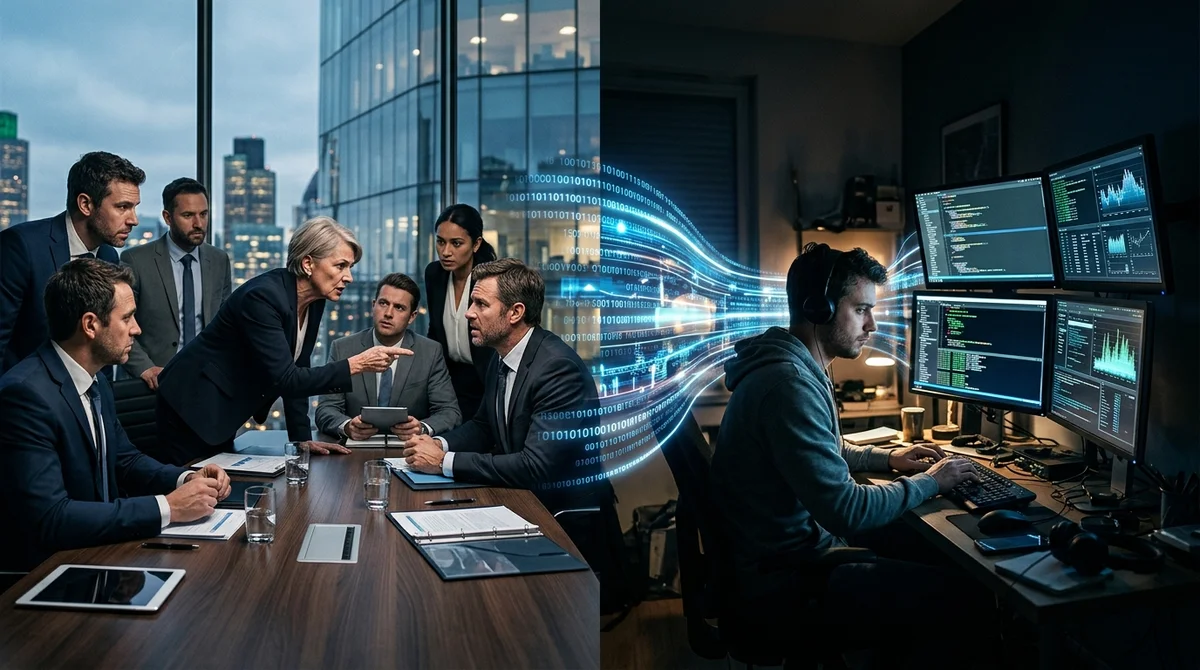
The beginning of 2026 in the AI industry will be remembered as a period of unprecedented event saturation. TechCrunch released a review of the main stories that have already shaped the face of the year: major acquisitions, breakthroughs by independent developers, a rising wave of public discontent, and negotiations that will determine the future of the entire industry in the literal sense. The pace at which the industry generates news has not slowed for the second consecutive year.
If 2024 was marked by a race of models—something newer and more powerful was released every week—then 2025 marked the transition to real products and real money. 2026, judging by the first months, has added another layer: politics, regulation, and public reaction that can no longer be ignored. At the same time, the pace of news not only continues—it accelerates.
Major acquisitions—a traditional indicator of market maturity—this year acquired a scale that goes beyond typical technology M&A. Deals cover not only startups with interesting technologies, but also infrastructure assets, training data, and key talent. For major players, acquisition has become strategically more profitable than organic development—simply because speed matters more than anything else, and building from scratch means losing in the race for market position.
In parallel with consolidation, TechCrunch notes an unexpected counter-trend—the success of independent developers. Against the backdrop of billion-dollar rounds and mega-deals, small teams and solo creators are finding niches where the products of large companies are either excessive or simply out of place. This is not nostalgia for indie romance—this is the pragmatism of a new era: tools have become powerful enough that a small team with a precise idea can compete with corporate products in individual segments. And these stories—the most inspiring to read amidst the stream of corporate press releases.
Public discontent has become the third major theme of the year. A wave of outrage covers several issues simultaneously: copyright and the use of data for model training without permission, the application of AI in military systems, mass displacement of jobs in sectors that seemed protected just a year ago. Users who had accepted AI products as a given have begun asking uncomfortable questions—and expecting answers. Several high-profile cases where companies failed to respond coherently or tried to evade the issue have resulted in real reputational and legal consequences.
Finally, TechCrunch particularly highlights a category of negotiations that the editorial staff calls existentially dangerous. These are contracts and agreements where at stake is not just market share, but the architecture of the entire industry for years to come. Agreements between AI laboratories and governments, exclusive access agreements to computing power, strategic partnerships that determine who will have critical infrastructure in five years—all of this is unfolding right now, in real time. Most details are not visible to the public, but the consequences will be felt for a long time.
The first months of 2026 show: the AI industry has definitively ceased to be a technological phenomenon and has become political and economic. News from it is not only in specialized publications—it appears on the front pages of business newspapers and on the agenda of regulators around the world. For everyone who builds AI products or builds a career in related fields, this is a signal: the rules of the game are changing faster than it seems, and keeping track of what's happening—is no longer an option, but a necessity.
Want to stop reading about AI and start using it?
AI News is a curated feed of AI/tech news. Hamidun Academy teaches you to use AI systematically in your work.