Startup Niv-AI Emerges from Stealth with $12M to Combat GPU Power Spikes
Startup Niv-AI emerged from stealth mode with a $12M seed round. The company develops technologies to measure and manage GPU power peaks — when processors…
AI-processed from TechCrunch; edited by Hamidun News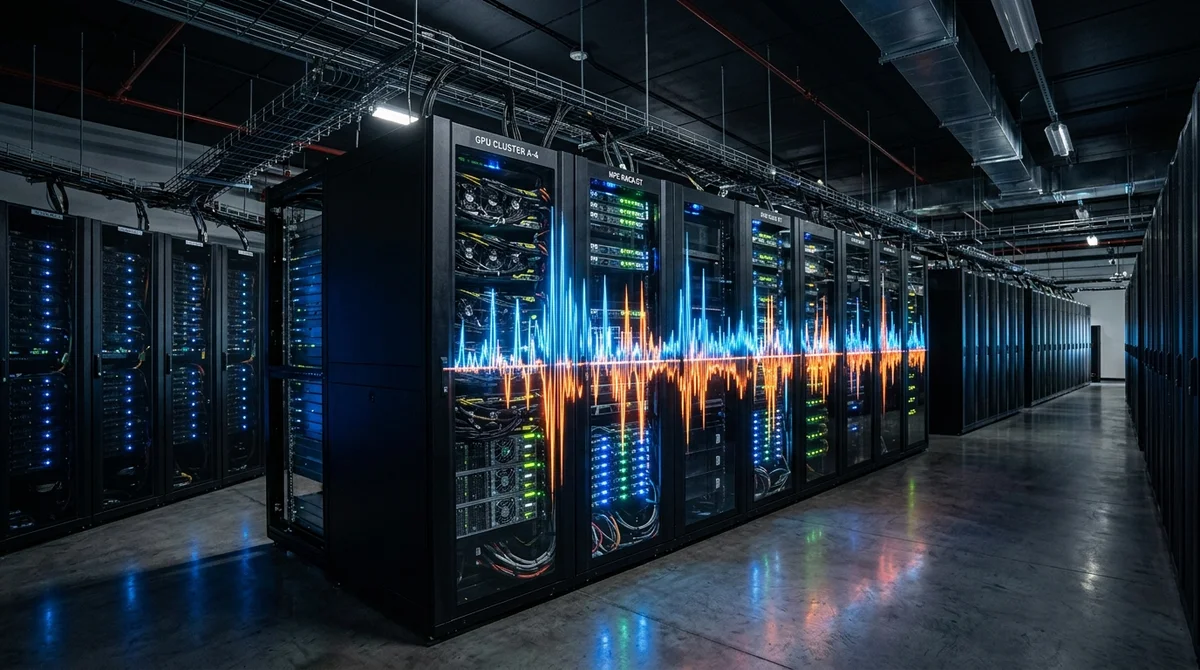
Startup Niv-AI emerged from stealth mode and raised $12 million in seed funding to tackle one of the most costly yet underappreciated problems in the AI industry — GPU power consumption spikes.
The problem the company is tackling is well known to every major data center operator. Graphics processors operating in neural network training mode consume energy extremely unevenly: peak loads can exceed average consumption by several times. This overloads the electrical grid, causes equipment overheating, and forces operators to artificially reduce clock frequencies and server power. As a result, expensive hardware operates well below its potential — and customers end up footing the bill through higher computation costs.
Niv-AI offers tools for precise measurement and real-time management of these consumption spikes. Essentially, the company is tackling a problem typically considered an electrical infrastructure issue, and shifting the solution to the software level. If the technology works as claimed, operators will be able to extract more useful power from already-installed GPUs — without purchasing new servers and without major electrical grid upgrades.
The timing of the stealth exit is perfect. The global race for AI computing resources has created an acute GPU shortage and enormous pressure on electrical infrastructure. Major cloud providers and independent data centers are investing hundreds of billions of dollars in capacity expansion, yet the physical limitations of electrical grids and power supply are becoming a critical bottleneck. Building new substations is expensive and time-consuming. Using existing resources more efficiently is far more attractive.
The $12 million seed round signals that investors share this thesis. The funding will allow Niv-AI to build an engineering team, conduct pilot integrations with real operators, and establish a proof base ahead of a Series A round. The investor composition is not disclosed in public materials.
The data center energy efficiency management market is becoming increasingly competitive. Major server hardware vendors embed monitoring tools directly into firmware, cloud providers develop their own load schedulers, and other startups are attacking adjacent problems — thermal dissipation, dynamic load distribution, software-controlled power management.
Niv-AI's specific focus on GPU power consumption spikes looks like an unoccupied niche with clear economics: efficiency gains of even a few percent at modern data center scale translate into significant savings.
The real test for the company will come with work on live customers. The data center industry is conservative: operators are extremely cautious about introducing new software layers to manage critical infrastructure. Niv-AI must convince customer-side engineers that the system is safe, predictable, and delivers measurable results — more teraflops per watt, fewer unplanned outages, higher hardware utilization.
Exiting stealth is a market announcement. The next step will reveal whether there's real technology behind it.
Want to stop reading about AI and start using it?
AI News is a curated feed of AI/tech news. Hamidun Academy teaches you to use AI systematically in your work.