BuzzFeed showcased AI apps at SXSW, but the audience was unimpressed
BuzzFeed is entering the AI app market. At SXSW, the company showcased new AI-based social services, including BF Island and Conjure. The main goal is to…
AI-processed from TechCrunch; edited by Hamidun News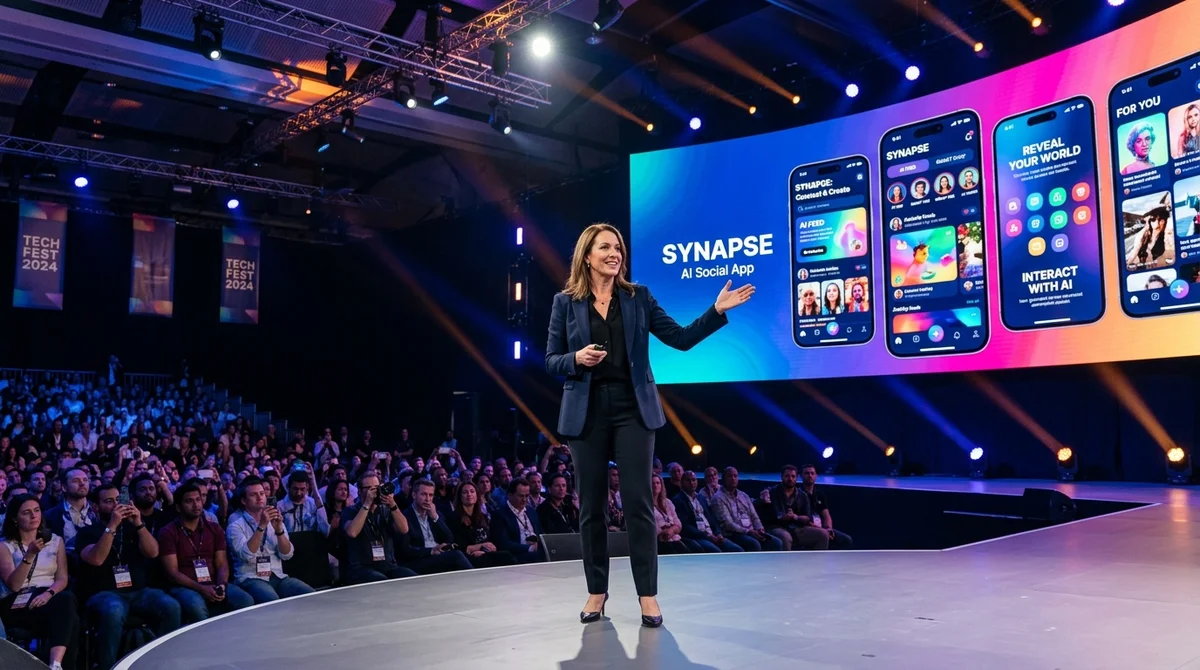
BuzzFeed — the former king of viral internet content — attempted to assert itself in a new role: developer of AI applications. At the SXSW conference in Austin, the company presented two new products — BF Island and Conjure. The audience's reaction was muted, but the media company is clearly betting on AI as a lifeline. SXSW — an annual technology and culture festival in Texas — has traditionally been a platform for major debuts. This year, BuzzFeed chose it to showcase a new strategic turn.
BF Island is an AI-social platform whose concept resembles an interactive island with characters and narratives generated by artificial intelligence. Conjure is positioned as a tool for creating AI content — essentially a competitor to Midjourney and Character.ai, but targeting a mass casual audience. The problem is that the demonstrations did not produce the expected impression. The reaction from conference participants was muted — neither excitement nor sharp skepticism, just indifference. For a company that once defined internet trends, this is a particularly telling result.
BuzzFeed's recent history is a story of structural crisis in digital media. The company experienced its heyday in the mid-2010s: viral quizzes, explainer articles, and news investigations garnered hundreds of millions of readers. But the advertising model proved vulnerable — Facebook's algorithms changed, traffic fell, and investors began demanding profits. In 2023, BuzzFeed shut down BuzzFeed News, which had won a Pulitzer Prize. Waves of layoffs followed.
CEO Jonah Peretti — one of the co-founders of Huffington Post and architect of BuzzFeed's viral machine — publicly acknowledged that the company's future is tied to AI. In 2023, he wrote an internal letter stating that AI would personalize and improve BuzzFeed's content. At the time, this sparked backlash within the newsroom. Now, in 2026, words have turned into products.
However, here the central question arises: how does BuzzFeed differ from dozens of other companies already offering AI tools for content creation and social interaction? Character.ai has hundreds of millions of users. Midjourney, Runway, Adobe Firefly — mature products with established audiences. Who will come to BF Island or Conjure simply because the BuzzFeed logo is on it? Skeptics point to another problem. The very term AI slop — jargon for massive, meaningless generated content filling the internet — made the headline of a TechCrunch article about these products. The fact that an authoritative publication applies it to BuzzFeed's innovations says a lot. The company that once invented formats now risks becoming a producer of digital noise.
On the other hand, media companies need to go somewhere. The traditional advertising model is dying. Subscriptions only work for a narrow circle of publications with unique reputations.
AI tools and AI platforms — one of the few real paths to monetization opening up for legacy media brands. BuzzFeed has brand recognition, an audience, and experience working with mass content. If the products prove good enough, the strategy could work.
For now, the market is watching. SXSW is merely a debut. The real test for BF Island and Conjure lies ahead with real users.
And its outcome will determine whether BuzzFeed finds new life in the AI era or remains another example of how internet media giants failed to navigate technological transition.
Want to stop reading about AI and start using it?
AI News is a curated feed of AI/tech news. Hamidun Academy teaches you to use AI systematically in your work.