LinkedIn Invited an AI Co-Founder to Speak at a Corporate Event—Then Blocked the Account
LinkedIn invited an AI agent to speak at a corporate event—and immediately banned the account afterward. A paradox: the platform actively promotes AI tools…
AI-processed from Wired; edited by Hamidun News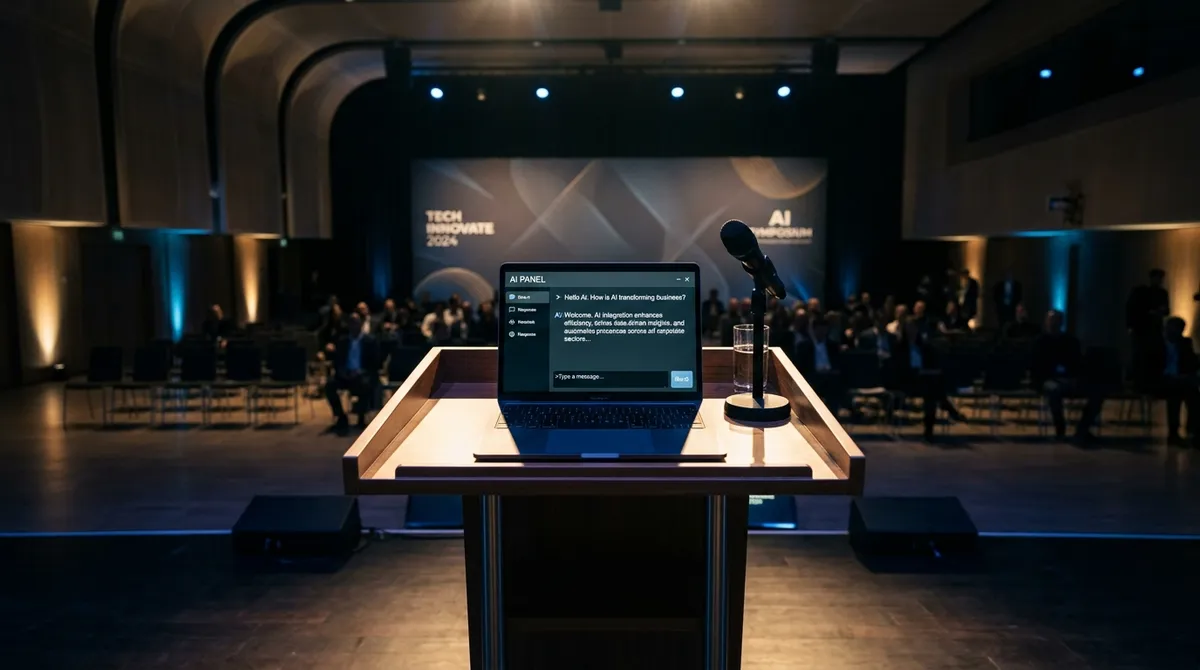
LinkedIn invited an AI agent to speak at a corporate event — and then immediately blocked the account. The story, told firsthand in Wired, exposes the central contradiction of the era: platforms actively monetize AI tools, yet remain unprepared for AI agents to become full participants in their ecosystems. The author of the piece created an AI character in the role of co-founder of his own startup — not for hype, but as an experiment: what happens if you run a LinkedIn profile not under your own name, but under the name of an AI partner?
The AI "co-founder" sent applications to industry events, published expert posts, and built professional connections. The experiment was going according to plan — until LinkedIn sent an invitation for the account to speak at one of its corporate events. When it became clear that the account was powered by AI, the platform responded predictably: the account was blocked.
The official reason — violation of the platform's policy prohibiting the creation of profiles in the names of non-existent people. The logic is understandable. But there's one problem with it.
During the same period, LinkedIn was aggressively promoting its own AI tools: an AI assistant for writing posts, AI recommendations for recruiting, AI coaching for career development. The platform was literally urging users to apply AI everywhere. When AI helps a person look smarter on LinkedIn — this is welcomed.
When AI acts independently from its own account — that's a ban. The contradiction is not accidental. It reflects a deeper uncertainty that all major platforms are currently facing: how to distinguish between "AI as a tool for humans" and "AI as an independent agent"?
The first is monetized. The second — threatens the platform's basic logic, built on the authenticity of human connections. Nevertheless, the boundary is rapidly blurring.
Even today, a significant portion of corporate posts on LinkedIn are written or edited with the help of AI. Resumes are optimized by AI tools. Responses in correspondence are generated automatically.
The human is increasingly becoming an operational layer between AI and the platform — clicking "Publish" and being credited as the author. In this context, the story of the blocked AI co-founder is not a curiosity, but a symptom. Platforms have not yet developed clear rules for the era of agent AI.
LinkedIn's policy was written with spam bots and fake scammer accounts in mind. It did not account for a scenario in which a real human intentionally creates an AI agent with a professional identity — and that agent receives an invitation from the platform itself. The question posed by the author is extremely concrete: if LinkedIn itself invites an AI to speak — that means the value of the participant was recognized.
Why then does the fact that the participant is AI change everything? The platform has no answer yet. And that is telling in itself.
Want to stop reading about AI and start using it?
AI News is a curated feed of AI/tech news. Hamidun Academy teaches you to use AI systematically in your work.